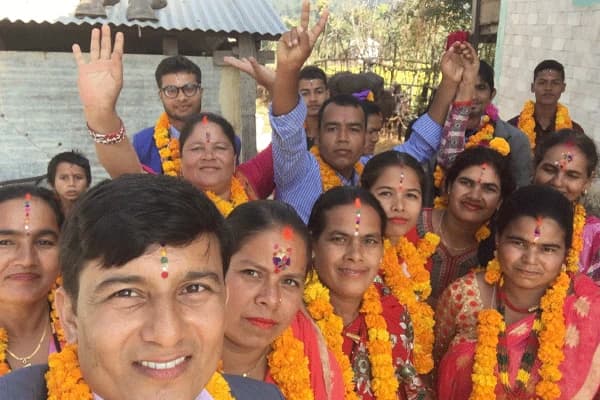

Kathmandu, the vibrant capital city of Nepal, is a remarkable destination where ancient traditions, spiritual heritage, and modern urban life exist side by side. Surrounded by green hills and enriched with centuries of history, the city offers travelers an extraordinary opportunity to experience the cultural identity and architectural brilliance of Nepal.
As the historical and cultural heart of the country, Kathmandu is home to magnificent temples, ancient royal palaces, sacred Buddhist stupas, and traditional Newari settlements. Moreover, its streets reveal a fascinating combination of Hindu and Buddhist traditions, making every corner an opportunity to discover something meaningful about Nepalese civilization.
One of the most distinctive features of Kathmandu is its remarkable collection of historical monuments and religious landmarks, several of which are recognized as UNESCO World Heritage Sites. These destinations not only represent the artistic achievements of earlier generations but also continue to serve as important centers of worship, cultural gatherings, and traditional celebrations.
Furthermore, Kathmandu offers experiences that extend beyond visiting historical monuments, allowing travelers to explore colorful local markets, taste traditional Nepalese cuisine, interact with welcoming communities, and observe everyday cultural practices. Whether you are interested in history, architecture, religion, photography, or local lifestyles, the city provides an enriching travel experience for visitors with different interests.
For travelers planning their journey, a Kathmandu sightseeing tour provides an excellent opportunity to explore the best places to visit in Kathmandu while understanding the stories and traditions behind each attraction. From the spiritual atmosphere of Pashupatinath Temple to the artistic beauty of Patan Durbar Square, every destination contributes something unique to the unforgettable character of the Kathmandu Valley.
Kathmandu Durbar Square – Explore the Historical Heart of the Capital
Kathmandu Durbar Square is one of the most significant historical attractions in Nepal, reflecting the political, cultural, and architectural heritage of the Kathmandu Valley. Situated in the heart of the old city, this magnificent royal complex once served as the residence and administrative center of the Malla kings and later the Shah rulers.
The square is surrounded by centuries-old temples, traditional courtyards, beautifully carved wooden structures, and impressive palace buildings that demonstrate the exceptional craftsmanship of Newari artisans. Consequently, visitors can gain valuable insight into the architectural traditions and royal history that shaped the development of Kathmandu.
One of the most remarkable attractions within the complex is Hanuman Dhoka Palace, a historic royal residence featuring traditional courtyards, ceremonial spaces, and museum collections. In addition, the famous Kumari Ghar attracts considerable attention because it is the residence of the Living Goddess Kumari, an important figure in Nepalese religious and cultural traditions.
Another highlight is the beautiful wooden architecture found throughout the square, particularly the intricate windows, doors, pillars, and decorative carvings that reflect generations of traditional craftsmanship. Walking through these historic courtyards allows visitors to appreciate the artistic details that make Kathmandu Durbar Square an extraordinary cultural landmark.
Beyond its historical importance, the square remains a lively gathering place where traditional festivals, religious ceremonies, and everyday local activities bring the heritage of Kathmandu to life. Therefore, visitors should take sufficient time to explore its surroundings, observe local traditions, and appreciate the remarkable atmosphere of this historic destination.
Swayambhunath Stupa – Experience the Spiritual Beauty of the Monkey Temple
Swayambhunath Stupa, popularly known as the Monkey Temple, is one of the most recognizable Buddhist landmarks in Kathmandu and an essential destination for travelers exploring the city's religious heritage. Located on a hilltop overlooking the Kathmandu Valley, this ancient religious complex offers a peaceful atmosphere combined with impressive views of the surrounding landscape.
The stupa is particularly famous for its white dome, golden spire, colorful prayer flags, and the symbolic eyes of Buddha painted on its upper structure. Furthermore, the surrounding shrines, monasteries, prayer wheels, and traditional religious artwork create an environment that reflects the deep spiritual traditions of Nepalese Buddhism.
According to Buddhist traditions, Swayambhunath is associated with the ancient origins of Kathmandu Valley and holds considerable religious significance for Buddhist communities. Its long history and sacred character make it an important destination for pilgrims, researchers, photographers, and international visitors interested in understanding Nepal's spiritual heritage.
Reaching the main stupa through the traditional stone staircase provides a memorable experience, as visitors gradually discover smaller shrines, religious sculptures, and monkeys moving freely around the complex. Alternatively, visitors can approach the site through other routes and enjoy the beautiful surroundings while exploring the hilltop religious complex.
Moreover, the elevated location makes Swayambhunath an excellent place to observe the geographical setting of Kathmandu, particularly during clear weather when the surrounding hills and urban landscape become visible. For this reason, the destination is equally appealing to cultural travelers, nature enthusiasts, and photography lovers.
Boudhanath Stupa – Discover the Beauty of Tibetan Buddhist Culture
Boudhanath Stupa is one of the largest spherical stupas in the world and among the most important centers of Tibetan Buddhist culture outside Tibet. Located in the northeastern part of Kathmandu, this remarkable religious monument attracts pilgrims, monks, spiritual seekers, and international travelers throughout the year.
The enormous white dome, golden tower, colorful prayer flags, and Buddha's watchful eyes create an impressive architectural composition that reflects the spiritual philosophy of Buddhism. Moreover, the peaceful surroundings provide an opportunity for visitors to observe traditional Buddhist practices and experience the calm atmosphere of this sacred destination.
One of the most meaningful activities at Boudhanath is walking clockwise around the stupa while spinning the prayer wheels and observing devotees performing their daily religious rituals. In addition, visitors can explore the surrounding monasteries, interact with the local community, and learn more about Tibetan Buddhist traditions.
The area surrounding the stupa is equally interesting because it features traditional shops, Buddhist art galleries, handicraft stores, and restaurants serving Tibetan and Nepalese cuisine. Consequently, travelers can combine cultural exploration with local food experiences while enjoying the distinctive atmosphere of the neighborhood.
As the day progresses, the stupa becomes particularly beautiful when the evening lights illuminate its impressive structure and colorful prayer flags move gently in the breeze. Therefore, spending time at Boudhanath offers more than a sightseeing experience, providing visitors with a meaningful introduction to the spiritual and cultural diversity of Kathmandu.
Pashupatinath Temple – Explore Nepal's Most Sacred Hindu Pilgrimage Site
Pashupatinath Temple is one of the most sacred Hindu pilgrimage destinations in Nepal and an important religious landmark dedicated to Lord Shiva. Situated along the banks of the holy Bagmati River, this magnificent temple complex attracts thousands of devotees and visitors who come to experience its religious significance and traditional architectural beauty.
The main temple features a distinctive pagoda-style design with a beautifully decorated golden roof, intricately carved wooden structures, and silver-covered doors. Furthermore, its sacred surroundings contain numerous smaller temples, shrines, ashrams, and traditional religious structures that reflect the importance of Hinduism in Nepalese society.
Pashupatinath holds particular significance during important Hindu festivals, especially Maha Shivaratri, when thousands of devotees and holy men gather at the temple to worship Lord Shiva. During this period, the entire complex becomes a vibrant center of religious activities, spiritual discussions, traditional ceremonies, and cultural gatherings.
Another memorable experience for visitors is observing the evening Bagmati Aarati ceremony, during which priests perform traditional rituals accompanied by devotional music, lamps, and prayers. Nevertheless, visitors should remain respectful of local customs and remember that photography and access are restricted in certain areas, particularly around religious ceremonies and cremation sites.
Although the main temple entrance is generally restricted to Hindus, non-Hindu visitors can explore many surrounding areas and observe the religious atmosphere from designated viewpoints. Ultimately, Pashupatinath offers an opportunity to understand the spiritual beliefs, funeral traditions, and cultural practices that form an important part of Nepalese life.
Patan Durbar Square – Admire the Artistic Heritage of Lalitpur
Patan Durbar Square, located in the historic city of Lalitpur, is one of the finest examples of traditional Newari architecture and artistic craftsmanship in the Kathmandu Valley. Famous for its beautifully preserved temples, ancient palaces, stone sculptures, and traditional courtyards, the square provides visitors with an opportunity to explore Nepal's remarkable cultural heritage.
The historical complex developed particularly during the Malla period, when local rulers encouraged the construction of impressive temples, public spaces, and artistic monuments. As a result, Patan became an important center of traditional metalwork, wood carving, stone sculpture, and religious art.
Among its most celebrated attractions is Krishna Mandir, an elegant stone temple dedicated to Lord Krishna and admired for its distinctive architectural design. Additionally, Patan Museum offers visitors an informative introduction to Nepalese religious art, traditional craftsmanship, historical objects, and the cultural development of the Kathmandu Valley.
The surrounding streets are equally fascinating, featuring traditional Newari houses, artisan workshops, small courtyards, and shops displaying locally produced handicrafts. Moreover, visitors may encounter skilled craftsmen creating metal sculptures, traditional masks, and religious objects using techniques that have been preserved across generations.
Patan is particularly rewarding for travelers who enjoy exploring destinations at a relaxed pace because its narrow streets and historic squares reveal interesting details at every turn. Whether appreciating ancient architecture, learning about traditional art, or observing local life, visitors can discover a different perspective on the cultural identity of Nepal.
Bhaktapur Durbar Square – Step into Nepal's Medieval Heritage
Bhaktapur Durbar Square is one of the most impressive medieval heritage destinations in Nepal, offering a fascinating glimpse into the traditional lifestyle and architectural achievements of the Kathmandu Valley. Located in the historic city of Bhaktapur, this UNESCO World Heritage Site is renowned for its ancient temples, brick-paved streets, traditional houses, and beautifully preserved Newari culture.
The city's historical development is closely associated with the Malla kings, whose patronage encouraged the construction of magnificent temples, palaces, and public monuments. Consequently, Bhaktapur has retained much of its traditional character, allowing visitors to experience an atmosphere that feels closely connected to its medieval past.
One of the most famous attractions is Nyatapola Temple, a five-storey pagoda that stands as an outstanding example of traditional Nepalese temple architecture. Equally impressive is the 55 Window Palace, which showcases exceptional wooden craftsmanship and remains one of the most recognizable historical structures in the city.
Another highlight is the Golden Gate, a beautifully decorated entrance that leads into the historic palace courtyard and reflects the artistic excellence of traditional Newari artisans. Furthermore, visitors can explore Pottery Square, where local craftsmen continue the traditional practice of shaping clay into decorative objects, household items, and pottery products.
Bhaktapur is also famous for its traditional food, particularly Juju Dhau, a rich and creamy yogurt commonly known as the King Curd. Beyond its architectural attractions, the city offers an opportunity to observe traditional festivals, local craftsmanship, and community life, making it an essential destination during a sightseeing journey through the Kathmandu Valley.
Garden of Dreams – Enjoy a Peaceful Escape in the Heart of Kathmandu
Garden of Dreams is a beautiful historical garden located near the popular tourist neighborhood of Thamel, offering a peaceful escape from the busy streets of Kathmandu. Also known as the Kaiser Mahal Garden, this elegant attraction is admired for its European-inspired landscape design, beautiful pavilions, fountains, and carefully maintained green spaces.
The garden was originally developed during the early twentieth century as a private garden associated with Kaiser Shumsher Rana and later became an important example of historical landscape architecture in Nepal. Its design combines decorative structures, open lawns, water features, and carefully arranged plants to create a relaxing environment within the urban landscape.
One of the most attractive features of the garden is its collection of elegant pavilions, each reflecting distinctive architectural details and traditional garden design. Moreover, the peaceful pathways and shaded seating areas allow visitors to enjoy a relaxing break after exploring Kathmandu's historical and religious attractions.
The garden is particularly suitable for travelers who appreciate photography, architecture, and quiet outdoor environments. In addition, visitors can enjoy refreshments at the garden's café while taking in the surroundings and observing the contrast between the peaceful garden and the energetic city outside.
Although Garden of Dreams is smaller than many of Kathmandu's major heritage attractions, its historical character and relaxing atmosphere make it a worthwhile addition to a sightseeing itinerary. Therefore, travelers looking for a quiet moment during their exploration of the capital should consider including this charming destination in their plans.
Chandragiri Hills – Experience Panoramic Himalayan Views
Chandragiri Hills is one of the most popular natural attractions near Kathmandu, offering visitors an opportunity to experience beautiful mountain scenery and panoramic views of the surrounding landscape. Located southwest of the capital, this hilltop destination has become a favorite choice for travelers seeking a combination of nature, adventure, relaxation, and cultural experiences.
One of the major attractions is the Chandragiri Cable Car, which takes visitors from the base station to the hilltop while providing impressive views of green hills, forests, and distant mountain landscapes. Furthermore, the journey itself is an enjoyable experience, allowing travelers to appreciate the natural beauty of the Kathmandu Valley from an elevated perspective.
At the summit, visitors can explore Bhaleshwor Mahadev Temple, a sacred Hindu shrine dedicated to Lord Shiva that attracts devotees and pilgrims throughout the year. The hilltop also features observation areas, restaurants, and recreational spaces where visitors can relax and enjoy the surrounding scenery.
On clear days, Chandragiri offers spectacular views of the Himalayan mountain range, making it an attractive destination for photography enthusiasts and nature lovers. However, mountain visibility depends on weather conditions, so visitors should consider checking the forecast before planning their journey.
Beyond its religious and scenic attractions, Chandragiri Hills provides a refreshing change from the historical monuments and busy urban streets of Kathmandu. Whether enjoying the cable car ride, exploring the temple, or simply appreciating the mountain surroundings, visitors can experience a different side of Nepal's natural beauty.
Narayanhiti Palace Museum – Discover Nepal's Royal History
Narayanhiti Palace Museum is an important historical attraction in Kathmandu that provides visitors with an opportunity to explore the royal history of modern Nepal. Located in the central part of the city, the former royal residence once served as the official palace of Nepal's monarchs before being transformed into a public museum.
The palace is particularly significant because it witnessed important political events and major developments in the country's modern history. Moreover, its transformation into a museum allows visitors to understand the lifestyle, traditions, and historical experiences associated with Nepal's former royal family.
Inside the museum, visitors can explore various rooms, ceremonial halls, royal furnishings, decorative interiors, and exhibits connected to the monarchy. Each section provides a glimpse into the royal environment, while the palace's architectural design reflects the formal character of its historical role.
One of the most historically significant aspects of the museum is its connection to the 2001 royal massacre, a tragic event that profoundly affected Nepal's monarchy and political history. Consequently, visiting the museum can provide a deeper understanding of the country's transition from a monarchy to a republic.
For travelers interested in history, politics, and cultural transformation, Narayanhiti Palace Museum offers an informative experience that complements the traditional religious and architectural attractions of Kathmandu. Visitors should check the current opening arrangements and photography rules before planning their visit.
Thamel – Experience the Vibrant Tourist Lifestyle of Kathmandu
Thamel is one of the most popular tourist neighborhoods in Kathmandu, known for its lively atmosphere, colorful streets, restaurants, cafés, and diverse shopping opportunities. Situated close to the historic center of the capital, this vibrant area has developed into an important meeting point for international travelers, trekking enthusiasts, and visitors exploring Nepal.
The neighborhood is particularly famous for its shops selling traditional handicrafts, handmade souvenirs, singing bowls, prayer flags, woolen products, and locally produced artwork. In addition, travelers can find trekking equipment, outdoor clothing, travel accessories, and other essential items for their adventures in the Himalayas.
Food is another major attraction in Thamel, where visitors can enjoy a wide variety of Nepalese, Tibetan, Indian, and international cuisines. From traditional dal bhat and momos to international restaurant menus, the neighborhood offers dining experiences that appeal to different tastes and budgets.
As the evening approaches, Thamel becomes even more energetic, with restaurants, cafés, live music venues, and cultural spaces attracting visitors from around the world. Nevertheless, travelers should remain aware of their belongings and choose reputable establishments when enjoying the neighborhood's nightlife.
Beyond shopping and entertainment, Thamel provides an excellent opportunity to interact with fellow travelers, learn about trekking routes, and discover useful information about destinations throughout Nepal. For this reason, it is an ideal place to conclude a day of sightseeing and experience the modern, international atmosphere of Kathmandu.
Best Time to Visit Kathmandu for Sightseeing
Kathmandu can be explored throughout the year; however, certain seasons offer more comfortable weather conditions and better opportunities to enjoy outdoor sightseeing. Understanding the seasonal differences can help travelers plan their visits more effectively and make the most of their time in the capital.
Spring (March to May) is one of the most pleasant periods for exploring Kathmandu, as temperatures gradually become warmer and the surrounding hills begin to display fresh greenery. Furthermore, the generally comfortable weather creates favorable conditions for visiting historical monuments, walking through traditional neighborhoods, and enjoying outdoor attractions.
Autumn (September to November) is another excellent season, particularly because the monsoon rains gradually disappear and the atmosphere often becomes clearer. Consequently, travelers may enjoy better visibility of the surrounding hills and distant Himalayan peaks, making this period especially attractive for sightseeing and photography.
Winter (December to February) offers relatively dry conditions, although mornings and evenings can become quite cold, particularly in the surrounding hills. Nevertheless, daytime sightseeing remains enjoyable on many winter days, and visitors can explore Kathmandu's cultural attractions without the heavier rainfall associated with the monsoon season.
Monsoon (June to August) brings frequent rainfall, cloudy skies, and increased humidity throughout the Kathmandu Valley. Although outdoor sightseeing may occasionally be affected by wet weather, this season also brings lush green landscapes and a different perspective on Nepal's natural environment.
Overall, spring and autumn are generally considered the most favorable seasons for Kathmandu sightseeing because of their comfortable temperatures and relatively pleasant outdoor conditions. However, travelers can enjoy the city's cultural and historical attractions in every season by choosing appropriate clothing and planning their activities according to the weather.
Suggested One-Day Kathmandu Sightseeing Itinerary
Exploring Kathmandu in a single day is possible with proper planning and an organized travel schedule that covers the city's most significant cultural and religious attractions. Although the valley offers numerous destinations, prioritizing the major heritage sites allows visitors to experience its historical and spiritual character within a limited timeframe.
Morning – Pashupatinath Temple
Begin your sightseeing journey with a visit to Pashupatinath Temple, one of the most sacred Hindu pilgrimage sites in Nepal. Spend time exploring the temple surroundings, observing traditional religious practices, and learning about the spiritual importance of the Bagmati River.
Late Morning – Boudhanath Stupa
Continue towards Boudhanath Stupa, where you can experience the peaceful atmosphere of one of the world's largest spherical Buddhist stupas. Walk around the monument, observe devotees spinning prayer wheels, and explore the surrounding monasteries and traditional Tibetan shops.
Afternoon – Swayambhunath Stupa
After exploring Boudhanath, proceed towards Swayambhunath Stupa to discover its remarkable Buddhist architecture and panoramic views of Kathmandu Valley. The hilltop setting provides an excellent opportunity to appreciate the city's geographical landscape while exploring its religious heritage.
Late Afternoon – Kathmandu Durbar Square
Conclude the main sightseeing portion with a visit to Kathmandu Durbar Square, where ancient palaces, temples, and traditional courtyards reveal the city's fascinating royal history. Afterwards, you can explore the nearby streets and traditional markets before enjoying the lively atmosphere of Thamel.
Note: This itinerary is a suggested route, and actual travel times depend on traffic, visiting hours, and the time spent at each attraction.
Essential Travel Tips for Kathmandu Sightseeing
Exploring Kathmandu becomes more enjoyable when travelers understand the local customs, transportation arrangements, and practical considerations associated with visiting historical and religious attractions. A little preparation can help visitors avoid unnecessary difficulties while making their sightseeing experience more comfortable and meaningful.
Respect Local Culture and Religious Traditions: When visiting temples, monasteries, and other religious sites, visitors should dress modestly and follow the instructions provided by local authorities. Additionally, removing shoes before entering designated religious spaces and respecting prayer activities are important ways to demonstrate cultural awareness.
Choose Suitable Transportation: Kathmandu offers several transportation options, including taxis, private vehicles, and local public transportation. However, arranging a private vehicle with a knowledgeable driver can make sightseeing more convenient, particularly when visiting multiple destinations in different parts of the valley.
Understand Photography Rules: Kathmandu offers countless opportunities for photography, especially around its temples, traditional courtyards, and historical monuments. Nevertheless, visitors should always check photography restrictions, ask permission before photographing individuals, and avoid disturbing religious ceremonies.
Carry Essential Travel Items: Comfortable walking shoes, drinking water, sunscreen, sunglasses, and a light jacket can make sightseeing more enjoyable throughout the day. Furthermore, carrying some Nepalese currency is useful for entrance fees, local purchases, refreshments, and small expenses.
Explore Local Food and Traditions: Trying traditional Nepalese dishes such as dal bhat, momos, and Newari cuisine can add another dimension to the sightseeing experience. Similarly, visiting local markets and observing traditional craftsmanship provides valuable insight into the everyday lifestyle and cultural identity of Kathmandu.
Why Choose Himalayan Vista for Your Kathmandu Sightseeing Experience?
Choosing the right travel company can make a significant difference when exploring a destination as culturally rich and historically important as Kathmandu. Himalayan Vista aims to provide travelers with comfortable, well-organized, and memorable travel experiences while introducing them to the remarkable attractions of Nepal.
With an understanding of the country's diverse destinations and cultural heritage, Himalayan Vista focuses on helping visitors discover the places that make Nepal unique. Moreover, thoughtful travel arrangements and attention to individual interests can help create a sightseeing experience that is both enjoyable and informative.
Whether you are interested in ancient architecture, religious landmarks, traditional communities, or scenic landscapes, having suitable travel arrangements can make your journey more convenient. For this reason, Himalayan Vista aims to make exploring Kathmandu easier by offering travel experiences that consider visitors' interests, schedules, and expectations.
Furthermore, a memorable sightseeing experience involves more than simply visiting popular attractions; it also means understanding the stories, traditions, and cultural values behind each destination. By focusing on meaningful travel experiences, Himalayan Vista seeks to help visitors develop a deeper appreciation of Nepal's history, people, and heritage.
From the ancient temples of Kathmandu Durbar Square to the peaceful surroundings of Boudhanath and the magnificent views of Chandragiri Hills, there is much to discover throughout the Kathmandu Valley. With a commitment to welcoming travelers and introducing them to the beauty of Nepal, Himalayan Vista invites visitors to make their time in Kathmandu truly memorable.
Conclusion: Discover the Cultural Wonders of Kathmandu
Kathmandu is a destination where history, spirituality, architecture, and everyday life come together to create an extraordinary travel experience. Its ancient temples, historic royal squares, sacred Buddhist monuments, and traditional neighborhoods reveal the remarkable cultural diversity that makes Nepal such a fascinating country to explore.
From the architectural beauty of Kathmandu Durbar Square and the spiritual atmosphere of Pashupatinath Temple to the peaceful surroundings of Boudhanath Stupa, every destination offers a different perspective on Nepalese heritage. Furthermore, places such as Patan, Bhaktapur, and Chandragiri Hills allow travelers to discover the artistic traditions, medieval history, and natural beauty of the Kathmandu Valley.
Beyond its historical attractions, Kathmandu also provides opportunities to experience traditional cuisine, explore vibrant markets, interact with local communities, and observe cultural practices that have continued across generations. These experiences make sightseeing more meaningful by connecting visitors with the lifestyle and traditions of the people who call this valley home.
Whether you are visiting Nepal for the first time or returning to explore more of its cultural treasures, Kathmandu deserves a special place in your travel itinerary. Ultimately, exploring the city with sufficient time and curiosity will help you appreciate its unique character and create lasting memories of your journey.
Let Himalayan Vista be part of your journey as you discover the historical treasures, spiritual landmarks, and cultural beauty of Kathmandu. Explore Nepal, experience its traditions, and create unforgettable memories with Himalayan Vista!