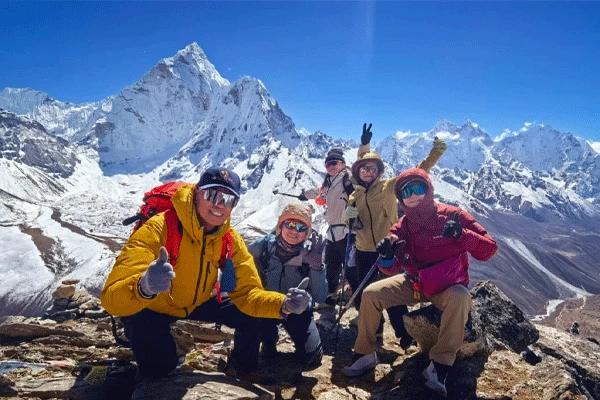
Have you ever imagined a place where mountains, nature, and ancient spiritual traditions are deeply connected with everyday life? Far away from crowded cities, the remote Himalayan villages of Nepal still preserve cultural practices that reflect the relationship between humans, nature, and the spiritual world.
Nepal is widely known for its Himalayan landscapes, trekking routes, and adventure experiences, but there is another hidden side of the country that many travelers rarely explore. The shamanic culture in Nepal represents centuries-old traditions where communities share their beliefs, stories, and rituals that have been protected through generations.
As you walk through peaceful mountain settlements, you can feel a different atmosphere shaped by local customs and respect for nature. Although modern development has reached many parts of Nepal, Himalayan shamanism continues to hold an important place in the cultural identity of several indigenous communities.
The sound of traditional drums, the scent of natural incense, and the quiet surroundings of mountain villages create a unique cultural experience. These practices are not only spiritual ceremonies but also a reflection of how Himalayan people understand life, balance, and their connection with the environment.
While many travelers visit Nepal for trekking peaks and scenic views, exploring Nepal spiritual traditions reveals a deeper story hidden behind the mountains. Because these traditions are closely linked with local communities, they provide a meaningful way to understand Nepal beyond ordinary tourism.
Through respectful cultural exploration, visitors can discover how ancient wisdom, natural surroundings, and community values continue to shape Himalayan life. The journey into Nepal’s shamanic heritage is not just about seeing a tradition; it is about experiencing a different perspective of the relationship between people and the world around them.
What is Shamanism? Understanding the Ancient Spiritual Practice of the Himalayas
Shamanism is one of the oldest spiritual traditions in the world, where certain individuals are believed to act as a connection between people, nature, ancestors, and the spiritual realm. Across different cultures, shamans have traditionally been respected as guides, healers, and keepers of ancient knowledge passed down through generations.
In the Himalayan region, Himalayan shamanism developed through a close relationship between mountain communities and their natural surroundings. Since people depended on forests, rivers, animals, and mountains for their daily lives, their spiritual beliefs became deeply connected with respecting and protecting nature.
A shaman is traditionally viewed as someone who understands rituals, cultural practices, and traditional methods of spiritual healing. Although beliefs differ from one community to another, many people see shamans as important figures who help maintain harmony between individuals, families, and their surroundings.
The practice of shamanism is not only focused on ceremonies but also carries stories, values, and cultural knowledge. Through songs, traditional instruments, meditation, and rituals, these communities preserve memories and teachings that have existed for hundreds of years.
When travelers explore remote parts of Nepal, they can discover how Nepal spiritual traditions continue to influence village life. These practices show a unique connection between ancient beliefs and the Himalayan environment, where spirituality is often seen as a part of everyday living.
Today, shamanism is recognized as an important part of cultural heritage around the world. While many aspects of these traditions are based on spiritual beliefs, learning about them offers travelers a deeper understanding of Nepal’s diverse communities, history, and relationship with nature.
History of Shamanic Traditions in Nepal: A Journey Through Ancient Himalayan Heritage
The roots of shamanic culture in Nepal go back thousands of years, long before modern systems of medicine, communication, and social structures developed. These traditions grew among mountain communities that depended on nature and created spiritual practices to understand their surroundings, protect their communities, and maintain harmony with the natural world.
For generations, Himalayan communities have preserved their traditional knowledge through oral storytelling, rituals, and teachings from elders. Although written records of many practices are limited, the stories, ceremonies, and customs passed from one generation to another continue to represent the cultural memory of these communities.
The development of Himalayan shamanism is closely connected with Nepal’s diverse landscapes, from high mountain valleys to forest-covered hills. Because people lived close to nature, they developed strong beliefs around mountains, rivers, forests, animals, and ancestral connections.
Over time, these spiritual traditions blended with different cultural influences found across Nepal. Various indigenous communities developed their own unique ways of practicing rituals, sharing knowledge, and understanding the relationship between humans and the environment.
Even today, some remote villages continue to protect these ancient customs as part of their identity. While modern life is changing many aspects of traditional society, Nepal spiritual traditions remain an important reminder of the country’s deep cultural roots.
Exploring the history of shamanism in Nepal allows travelers to see a side of the Himalayas that goes beyond scenic beauty and adventure. It reveals a world where ancient beliefs, community values, and respect for nature continue to shape the lives of people living among the mountains.
Beliefs and Philosophy Behind Himalayan Shamanism
At the heart of Himalayan shamanism lies a deep belief in the connection between humans, nature, ancestors, and the spiritual world. Many Himalayan communities believe that every element of nature, including mountains, rivers, forests, and animals, carries a special meaning and should be treated with respect.
The philosophy behind these traditions is based on maintaining balance between people and their surroundings. Because mountain communities have always lived closely with nature, their spiritual beliefs often focus on gratitude, harmony, and protecting the environment that supports their way of life.
Many shamanic traditions believe that the physical world and spiritual world are connected in different ways. Through rituals, meditation, chants, and traditional ceremonies, shamans are believed to seek guidance, healing, and protection according to the cultural beliefs of their communities.
Nature holds a sacred place in many Himalayan traditions, where landscapes are not only seen as beautiful places but also as meaningful parts of cultural identity. The powerful presence of mountains and forests has influenced generations of stories, rituals, and spiritual practices across Nepal.
Unlike modern approaches that often separate humans from nature, shamanic culture in Nepal reflects a worldview where people see themselves as a small part of a larger natural system. These beliefs have helped communities develop a strong sense of responsibility toward their surroundings and cultural heritage.
For travelers, understanding these beliefs provides a deeper perspective of Nepal beyond trekking routes and mountain views. Learning about Nepal spiritual traditions offers a chance to experience the values, stories, and ancient wisdom that continue to shape Himalayan communities today.
Traditional Shamanic Rituals and Ceremonies in Nepal
The traditional ceremonies of shamanic culture in Nepal are deeply connected with community life, nature, and ancient beliefs. These rituals are often performed during important moments such as healing ceremonies, cultural gatherings, protection rituals, or occasions where communities seek spiritual guidance according to their traditions.
One of the most recognizable parts of Himalayan shamanism is the use of traditional sounds, movements, and symbolic practices during ceremonies. The rhythm of drums, chanting of sacred words, and peaceful surroundings create an atmosphere that reflects the deep cultural connection between people and their spiritual beliefs.
Traditional shamanic ceremonies often include the use of natural elements such as fire, water, herbs, flowers, and incense. These elements hold cultural importance because many Himalayan communities believe that nature plays a meaningful role in maintaining balance and harmony in life.
During these gatherings, communities may come together to share stories, offer respect to ancestors, and continue knowledge that has been preserved for generations. Although practices vary among different groups, the main purpose remains connected with cultural identity, unity, and respect for traditional values.
For visitors, witnessing these traditions can provide a rare opportunity to understand the hidden cultural side of Nepal. However, respectful observation is important because these ceremonies are meaningful spiritual practices rather than simple performances created only for tourism.
Exploring Nepal spiritual traditions through local communities allows travelers to experience a deeper connection with the Himalayan way of life. These ancient ceremonies reveal how people have maintained their relationship with nature, culture, and generations of shared wisdom throughout history.
Sacred Tools and Symbols Used in Himalayan Shamanism
The practices of Himalayan shamanism involve various traditional tools and symbols that carry deep cultural meanings within local communities. These objects are not simply decorations; they represent the connection between spiritual beliefs, nature, ancestors, and generations of traditional knowledge.
One of the most important instruments used in many Himalayan ceremonies is the traditional drum, which creates rhythmic sounds during rituals and gatherings. The sound of the drum is believed by many communities to help create a focused and spiritual atmosphere while connecting participants with ancient traditions.
Shamans may also use items such as bells, feathers, sacred threads, natural herbs, and symbolic objects during different ceremonies. Although the meaning of these items can vary between communities, they often represent protection, respect for nature, and the continuation of cultural practices.
Natural elements have always played a significant role in shamanic culture in Nepal because Himalayan communities have a strong relationship with their surroundings. Plants, forests, rivers, and mountains are often respected as important parts of life, and many traditional objects are created from materials found in nature.
Traditional clothing and accessories used during ceremonies also carry cultural importance. These items often represent the identity of the community and help preserve stories, beliefs, and knowledge that have been shared from older generations to younger ones.
For travelers interested in authentic cultural experiences, learning about these symbols provides a deeper understanding of Nepal’s hidden heritage. Exploring Nepal spiritual traditions is not only about observing rituals but also about appreciating the history, creativity, and values preserved within Himalayan communities.
The Connection Between Shamanism and Nature in Nepal
The relationship between shamanic culture in Nepal and nature is one of the most fascinating parts of Himalayan heritage. For mountain communities, nature has always been more than just a source of resources; it represents a powerful connection between people, their surroundings, and their traditional beliefs.
The high mountains, flowing rivers, ancient forests, and diverse landscapes of Nepal have influenced the spiritual practices of many communities for centuries. Because people depend on the natural environment for their daily lives, respect for nature has become an important part of their cultural and spiritual identity.
In many Himalayan traditions, mountains are viewed with deep respect and are often connected with stories, legends, and ancestral memories. The peaceful atmosphere of remote villages, combined with the presence of untouched landscapes, creates a unique environment where ancient beliefs continue to exist.
Himalayan shamanism reflects the idea that humans should live in balance with the natural world. Traditional ceremonies often include natural elements because communities believe that harmony between people and the environment is essential for a meaningful and balanced life.
While exploring Nepal’s rural landscapes, travelers can discover how local communities protect their surroundings through customs and traditional values. These experiences provide a different perspective of the Himalayas, where culture and nature are deeply connected rather than separated.
Understanding this connection helps visitors appreciate Nepal beyond its famous trekking destinations and mountain scenery. Through Nepal spiritual traditions, travelers can discover the importance of nature, respect, and ancient wisdom that continues to guide Himalayan communities today.
Shamanic Communities and Cultural Heritage of Nepal
Nepal’s diverse landscapes are home to many ethnic communities that have preserved unique cultural traditions for centuries. Among these traditions, shamanic culture in Nepal represents a deep connection between community life, ancestral knowledge, and the natural environment surrounding Himalayan villages.
Different communities across the hills and mountains have developed their own ways of practicing spiritual traditions based on their history, lifestyle, and beliefs. Although rituals and customs may differ from one region to another, many share common values such as respect for nature, honoring ancestors, and maintaining harmony within the community.
Remote Himalayan settlements often preserve traditions that are rarely seen in modern urban areas. While traveling through these villages, visitors can discover local stories, traditional ceremonies, and cultural practices that reveal the rich diversity hidden beyond Nepal’s popular trekking routes.
Many indigenous communities consider their spiritual knowledge an important part of their identity. Through generations, elders have shared stories, rituals, and traditional wisdom with younger members, helping protect these practices from disappearing in a rapidly changing world.
The preservation of Himalayan shamanism is not only about maintaining old rituals but also about protecting the history and values of mountain communities. These traditions show how people have created meaningful relationships with their environment, families, and cultural roots.
For travelers seeking authentic experiences, exploring these communities offers a chance to understand Nepal from a deeper perspective. Learning about Nepal spiritual traditions allows visitors to appreciate the country’s cultural richness and the ancient knowledge that continues to live among the Himalayas.
Experiencing Shamanic Culture in Nepal as a Respectful Traveler
Exploring shamanic culture in Nepal offers travelers a chance to discover a side of the Himalayas that goes beyond mountains, trekking trails, and adventure activities. Instead of only visiting landscapes, travelers can connect with local communities, understand their traditions, and learn about the beliefs that have shaped Himalayan life for centuries.
A cultural journey through remote villages allows visitors to experience local lifestyles, traditional celebrations, and stories shared by community members. Although these practices are deeply personal and meaningful, respectful travelers can observe them with curiosity, patience, and appreciation rather than treating them as simple attractions.
When experiencing Himalayan shamanism, it is important to understand that these traditions are part of people’s identity and spiritual beliefs. Asking permission before taking photographs, following local guidance, and respecting community customs helps create a more meaningful interaction between visitors and hosts.
Many travelers find that cultural experiences in Nepal create memories that are different from ordinary sightseeing. The peaceful environment of mountain villages, conversations with local people, and understanding of ancient traditions can make a journey feel more personal and connected.
Responsible tourism plays an important role in protecting these unique cultural practices. By choosing respectful travel experiences, visitors can support local communities while also helping preserve the stories, knowledge, and traditions that make Nepal culturally special.
For those looking beyond typical adventures, discovering Nepal spiritual traditions provides an opportunity to understand the deeper relationship between people, nature, and heritage. The journey becomes not only about exploring a destination but also about learning from the wisdom and values of Himalayan communities.
The Role of Shamanism in Modern Nepal
Although Nepal is developing rapidly with modern technology and changing lifestyles, shamanic culture in Nepal continues to remain an important part of many communities’ cultural identity. In remote Himalayan regions, ancient traditions still exist alongside modern life, creating a unique balance between the past and present.
Younger generations are growing up in a world influenced by education, technology, and globalization, yet many continue to respect the knowledge and customs shared by their elders. Because these traditions carry stories, values, and memories of earlier generations, communities are making efforts to preserve them for the future.
Today, Himalayan shamanism is also gaining interest among cultural researchers, travelers, and people who want to understand Nepal beyond its famous mountains. Although spiritual beliefs may differ from person to person, the cultural importance of these practices remains a valuable part of Nepal’s diverse heritage.
Modern tourism has created new opportunities for visitors to learn about traditional lifestyles through responsible cultural experiences. However, it is important that these traditions are approached with respect because they represent living cultures rather than performances created only for visitors.
Preserving Nepal spiritual traditions requires cooperation between local communities, travelers, and cultural organizations. By valuing traditional knowledge and supporting respectful tourism, these ancient practices can continue to inspire future generations.
The survival of shamanic traditions in Nepal shows the strength of cultural heritage in a changing world. Even as villages become more connected with modern society, the deep relationship between people, nature, and ancestral wisdom remains an important part of Himalayan life.
Why Explore Shamanic Culture During Your Nepal Journey?
Nepal is often recognized for its towering mountains, challenging trekking routes, and breathtaking landscapes, but the country offers much more than adventure alone. Exploring shamanic culture in Nepal allows travelers to discover the hidden stories, beliefs, and traditions that have shaped Himalayan communities for generations.
A journey into Nepal’s cultural side provides a deeper connection with local people and their way of life. While trekking through remote villages, visitors can experience how traditions, nature, and spirituality are naturally woven into everyday activities.
Himalayan shamanism gives travelers a different perspective on the relationship between humans and the environment. The ancient practices, traditional ceremonies, and respect for natural surroundings reveal how mountain communities have maintained a strong connection with their cultural roots.
Unlike ordinary sightseeing, cultural exploration encourages meaningful interactions and a better understanding of local lifestyles. Because every village has its own stories and customs, travelers can discover unique experiences that cannot be found in typical travel routes.
For those seeking authentic experiences, learning about Nepal spiritual traditions adds another dimension to their Himalayan adventure. It allows visitors to appreciate Nepal not only as a destination of mountains but also as a land of ancient wisdom, diverse cultures, and living heritage.
At Himalayan Vista, we believe meaningful travel is about creating connections with places and people while respecting their traditions. Through responsible cultural experiences, travelers can explore the spiritual side of Nepal while supporting the preservation of its unique Himalayan heritage.
Preserving the Ancient Legacy of Himalayan Shamanism
The survival of shamanic culture in Nepal represents the strength of communities that have protected their traditions despite many changes in society. These ancient practices carry valuable stories, knowledge, and cultural memories that connect present generations with the wisdom of their ancestors.
As modernization reaches even remote mountain areas, some traditional practices are slowly changing with time. However, many communities continue to protect their cultural identity by sharing traditional knowledge, teaching younger generations, and maintaining important ceremonies.
The preservation of Himalayan shamanism is not only about keeping rituals alive but also about respecting the history and values behind them. These traditions reflect the deep relationship between Himalayan people, their environment, and the beliefs that have guided their communities for centuries.
Responsible tourism can play an important role in supporting cultural preservation when travelers approach these experiences with respect and understanding. By learning about local customs, supporting community-based travel, and appreciating traditional lifestyles, visitors can contribute to protecting Nepal’s diverse heritage.
Every mountain village carries unique stories that reveal the richness of Nepal’s cultural landscape. Through Nepal spiritual traditions, travelers can discover a side of the country where ancient knowledge, natural beauty, and human connection come together.
The journey into Himalayan shamanism is ultimately a journey into understanding people, culture, and the powerful bond between communities and nature. As these traditions continue to live through generations, they remain an important part of Nepal’s identity and the timeless spirit of the Himalayas.
Conclusion: Discovering the Spiritual Heart of the Himalayas
The journey through shamanic culture in Nepal reveals a side of the Himalayas that cannot be measured only by mountains, trails, or landscapes. It introduces travelers to ancient beliefs, cultural stories, and traditional practices that show the deep connection between people, nature, and generations of shared wisdom.
Although modern life continues to transform many parts of Nepal, the values behind Himalayan shamanism remain meaningful for many communities. These traditions represent respect for nature, appreciation for ancestors, and the importance of maintaining harmony between humans and their surroundings.
Exploring these spiritual traditions allows visitors to experience Nepal from a more personal and cultural perspective. Instead of only seeing the beauty of the Himalayas, travelers can understand the emotions, beliefs, and histories that make these landscapes truly special.
Through respectful cultural journeys, visitors can discover how ancient knowledge continues to influence village life across Nepal. The sounds of traditional ceremonies, stories from local communities, and peaceful mountain environments create memories that remain long after the journey ends.
For travelers searching for authentic experiences beyond ordinary tourism, Nepal spiritual traditions offer a meaningful path to connect with the country’s hidden heritage. Every village, mountain, and community carries a story waiting to be understood.
At Himalayan Vista, we believe that travel is not only about reaching destinations but also about discovering the culture, people, and traditions that give those places their true identity. Exploring the spiritual side of Nepal creates a deeper Himalayan experience filled with respect, learning, and unforgettable connections.
FAQs
1. What is shamanic culture in Nepal?
Shamanic culture in Nepal refers to ancient spiritual traditions where certain individuals within communities are believed to connect with nature, ancestors, and the spiritual world. These practices are deeply connected with Himalayan communities, their beliefs, and their traditional way of life.
2. What is the importance of Himalayan shamanism?
Himalayan shamanism is important because it represents the cultural heritage, beliefs, and relationship between mountain communities and nature. It reflects how people have preserved traditional knowledge, rituals, and values through many generations.
3. Is shamanism still practiced in Nepal today?
Yes, shamanic traditions are still practiced in some remote regions of Nepal. Although modern lifestyles are changing many communities, traditional ceremonies, cultural beliefs, and spiritual practices continue to exist in different forms.
4. What role does nature play in Nepalese shamanic traditions?
Nature plays a central role in many Nepal spiritual traditions. Mountains, rivers, forests, and animals are often respected as important parts of cultural beliefs and are closely connected with community rituals and stories.
5. What are common elements used in shamanic ceremonies?
Traditional shamanic ceremonies may include instruments such as drums, bells, chants, incense, natural materials, and symbolic objects. The meaning and use of these elements can vary depending on the community and cultural background.
6. Can travelers experience shamanic culture in Nepal?
Yes, travelers can learn about shamanic culture in Nepal through respectful cultural experiences, village visits, and interactions with local communities. It is important to approach these traditions with respect because they are meaningful cultural practices.
7. Is shamanism a religion or a cultural tradition?
Shamanism is generally considered a spiritual practice and cultural tradition rather than a single organized religion. Different communities around the world have their own beliefs, rituals, and interpretations of shamanic practices.
8. Which areas of Nepal have strong traditional cultural practices?
Many remote Himalayan and hill regions of Nepal preserve strong cultural traditions. Areas with indigenous communities, mountain villages, and less urbanized regions often have unique customs connected with nature and ancestral heritage.
9. How can travelers respect shamanic traditions while visiting Nepal?
Travelers can show respect by asking permission before taking photographs, listening to local explanations, following community guidelines, and understanding that these traditions are part of people’s identity rather than just a tourist attraction.
10. Why should travelers learn about Nepal spiritual traditions?
Learning about Nepal spiritual traditions helps travelers understand the deeper cultural side of the country. It provides a meaningful perspective on how Himalayan communities connect their daily lives with nature, history, and ancient wisdom.