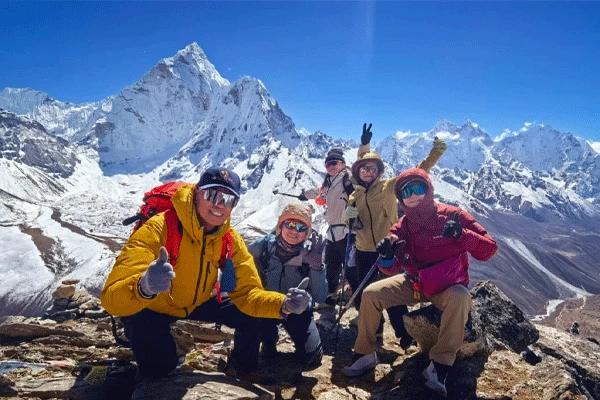
The Annapurna Base Camp Trek is one of Nepal's most popular and rewarding trekking adventures, offering an unforgettable journey into the heart of the Annapurna Himalayas. Every year, thousands of trekkers from around the world visit this iconic destination to experience its breathtaking mountain scenery, welcoming local communities, and diverse natural landscapes. From peaceful forests and traditional villages to towering snow-covered peaks, the trail offers a perfect combination of adventure, culture, and natural beauty.
Unlike many high-altitude expeditions, the Annapurna Base Camp Trek is suitable for a wide range of travelers because it does not require technical climbing experience. Instead, the trail gradually ascends through picturesque Gurung and Magar villages, terraced farmland, rhododendron forests, bamboo groves, and glacial valleys before reaching the spectacular Annapurna Sanctuary. Along the way, trekkers enjoy incredible views of Annapurna I (8,091 m), Machhapuchhre (Fishtail), Hiunchuli, Annapurna South, and several other Himalayan peaks that surround the base camp from every direction.
If you are planning your Himalayan adventure, this Annapurna Base Camp Guide 2027 provides everything you need to know before setting off. From the best trekking seasons and route information to permits, accommodation, food, transportation, altitude, packing essentials, and estimated costs, this guide covers every important detail in one place. Proper planning not only helps you enjoy the trek more comfortably but also ensures a safer and more memorable experience in the mountains.
Whether you are a first-time trekker looking for your first Himalayan adventure or an experienced hiker searching for updated information, this guide is designed to answer all your questions. By the end of this article, you will have a complete understanding of the Annapurna Base Camp Trek, helping you confidently plan your 2027 journey to one of Nepal's most spectacular trekking destinations.
Why Trek to Annapurna Base Camp in 2027?
The Annapurna Base Camp Trek is one of the few trekking adventures in the world that combines breathtaking mountain scenery, rich cultural experiences, and diverse natural landscapes in a single journey. From the moment you leave the trailhead, you will walk through charming Gurung and Magar villages, dense rhododendron forests, bamboo groves, cascading waterfalls, and peaceful alpine valleys before reaching the heart of the Annapurna Sanctuary. Every day offers something new, making the trek both exciting and rewarding from beginning to end.
Choosing the Annapurna Base Camp Guide 2027 is an excellent way to prepare for one of Nepal's most iconic treks. The trail continues to attract trekkers from around the world because of its well-maintained routes, comfortable tea houses, and stunning Himalayan views. Improved trekking facilities, experienced local guides, and reliable transportation options make the journey more accessible than ever while still preserving the authentic mountain experience that makes the Annapurna region so special.
One of the biggest highlights of the trek is the opportunity to stand inside the spectacular Annapurna Sanctuary, a natural amphitheater surrounded by some of the highest mountains on Earth. As you approach the base camp, towering peaks such as Annapurna I (8,091 m), Machhapuchhre (6,993 m), Annapurna South, Hiunchuli, Gangapurna, and several other snow-covered giants rise dramatically around you. Watching the first rays of sunlight illuminate these mountains from Annapurna Base Camp is an unforgettable experience that few places in the world can match.
Beyond the breathtaking scenery, the trek offers a unique chance to experience the culture and hospitality of Nepal's mountain communities. Along the trail, you will stay in family-run tea houses, enjoy traditional Nepali meals, and learn about the customs and traditions of the Gurung and Magar people. Visiting ancient villages and interacting with local residents adds a meaningful cultural dimension to the adventure, making the journey much more than simply reaching a destination.
Unlike many high-altitude Himalayan treks, the Annapurna Base Camp Trek is achievable for most people with a reasonable level of fitness. Although the trail includes several uphill and downhill sections, it does not require technical climbing skills or mountaineering experience. Whether your goal is to witness world-class mountain scenery, challenge yourself with a rewarding trek, or experience the beauty of Nepal's Himalayas, trekking to Annapurna Base Camp in 2027 promises an adventure that you will remember for a lifetime.
Annapurna Base Camp Trek Overview
The Annapurna Base Camp Trek is one of Nepal's most iconic trekking experiences, taking you deep into the Annapurna Conservation Area and the breathtaking Annapurna Sanctuary. This unforgettable journey combines spectacular Himalayan landscapes, diverse ecosystems, traditional mountain villages, and rich cultural experiences, making it an excellent choice for both first-time trekkers and experienced hikers. Although the trail involves several days of walking and continuous elevation gain, it is considered one of the most accessible high-altitude treks in Nepal.
A standard Annapurna Base Camp Trek usually takes 7 to 12 days, depending on your chosen itinerary and starting point. The total trekking distance ranges from 70 to 115 kilometers (43 to 71 miles) round trip, while most trekkers walk 5 to 7 hours each day. The journey generally begins with a drive from Pokhara to the trailhead at locations such as Jhinu Danda, Siwai, or Ghandruk before continuing through Chhomrong, Sinuwa, Bamboo, Dovan, Himalaya, Deurali, Machhapuchhre Base Camp, and finally Annapurna Base Camp.
The highest point of the trek is Annapurna Base Camp at 4,130 meters (13,550 feet). Although this altitude is significantly lower than Everest Base Camp, proper acclimatization and a steady pace are still important because some trekkers may experience mild altitude-related symptoms. Since the trail gradually gains elevation, most people can complete the trek comfortably without requiring additional acclimatization days.
The Annapurna Base Camp Trek is generally rated as moderate in difficulty. No technical climbing or mountaineering experience is required, making it suitable for beginners who have a reasonable level of physical fitness. The main challenge comes from the long stone staircases, continuous ascents and descents, and several consecutive days of trekking rather than extreme altitude or technical terrain.
Accommodation throughout the trek is provided by traditional tea houses and mountain lodges. These family-run lodges offer simple yet comfortable twin-sharing rooms, warm dining halls, and welcoming hospitality. In lower villages, you may also find private rooms with attached bathrooms, while higher elevations provide more basic facilities due to the remote mountain environment.
Meals are available at every tea house along the route, offering a variety of local and international dishes. Trekkers can enjoy traditional Dal Bhat, noodles, fried rice, soups, pasta, momos, pancakes, eggs, porridge, and a selection of hot drinks such as tea, coffee, ginger tea, and hot chocolate. These freshly prepared meals provide the energy needed for each day's adventure.
Annapurna Base Camp Trek Route
The Annapurna Base Camp Trek Route takes you through the heart of the Annapurna Conservation Area, one of Nepal's most beautiful protected regions. The trail passes through traditional mountain villages, terraced farmland, lush forests, glacial rivers, and alpine landscapes before reaching the breathtaking Annapurna Sanctuary. Every stage of the journey offers a different experience, making the trek one of the most diverse and scenic adventures in the Himalayas.
The adventure usually begins with a drive from Pokhara to the trekking trailhead at Jhinu Danda, Siwai, or Ghandruk, depending on your itinerary. From there, the trail gradually climbs through picturesque villages and dense forests before reaching Chhomrong, a beautiful Gurung settlement known for its stunning views of Annapurna South and Machhapuchhre. As you continue higher, the route passes through Sinuwa, Bamboo, and Dovan, where peaceful forests and flowing rivers create a relaxing trekking environment.
Beyond Dovan, the landscape slowly changes as the forests become thinner and the mountains appear much closer. The trail continues through Himalaya and Deurali, following the Modi Khola valley toward Machhapuchhre Base Camp (MBC). This section offers incredible views of Machhapuchhre (Fishtail), Gangapurna, Annapurna III, and Hiunchuli, making it one of the most photogenic parts of the trek.
From Machhapuchhre Base Camp, the trail enters the spectacular Annapurna Sanctuary, a natural amphitheater surrounded by towering Himalayan peaks. A gradual walk across the glacial valley leads to Annapurna Base Camp (4,130 meters), where you are rewarded with breathtaking 360-degree views of Annapurna I, Annapurna South, Hiunchuli, Machhapuchhre, Gangapurna, Tent Peak, and several other snow-covered mountains. Watching the sunrise over these majestic peaks is one of the most memorable highlights of the entire trek.
After enjoying the incredible scenery at Annapurna Base Camp, the return journey follows the same route back through Machhapuchhre Base Camp, Deurali, Bamboo, Chhomrong, and Jhinu Danda. Many trekkers choose to relax in the natural hot springs at Jhinu Danda before driving back to Pokhara, providing the perfect ending to an unforgettable Himalayan adventure.
Typical Annapurna Base Camp Trek Route
Kathmandu → Pokhara → Jhinu Danda (or Siwai) → Chhomrong → Sinuwa → Bamboo → Dovan → Himalaya → Deurali → Machhapuchhre Base Camp → Annapurna Base Camp → Bamboo → Jhinu Danda → Pokhara → Kathmandu
This classic Annapurna Base Camp Trek Route offers the perfect balance of mountain scenery, cultural experiences, and natural beauty, making it one of the most rewarding trekking routes in Nepal.
Annapurna Base Camp Trek Distance
One of the most common questions trekkers ask before planning their adventure is, "How far is the Annapurna Base Camp Trek?" The total Annapurna Base Camp Trek distance depends on your starting point and itinerary. Most standard routes cover approximately 70 to 115 kilometers (43 to 71 miles) round trip, while the trek is usually completed over 7 to 12 days. This allows enough time to enjoy the scenery, rest each evening, and complete the journey at a comfortable pace.
The trek generally begins after a drive from Pokhara to Jhinu Danda, Siwai, or Ghandruk, depending on the chosen itinerary. From there, the trail gradually climbs through beautiful villages, forests, and river valleys before reaching Annapurna Base Camp at 4,130 meters (13,550 feet). Although the daily distances are not extremely long, the combination of continuous ascents, descents, and thousands of stone steps makes the trek physically rewarding.
On average, trekkers walk 8 to 15 kilometers (5 to 9 miles) each day, spending around 5 to 7 hours on the trail. Some days involve steady uphill climbs, while others are more relaxed with gradual descents. Because the itinerary is well balanced, there is usually enough time to enjoy the surrounding mountain views, take photographs, and rest at tea houses along the route.
Unlike some higher-altitude Himalayan treks, the Annapurna Base Camp Trek does not usually require dedicated acclimatization days. However, walking at a comfortable pace, staying hydrated, and taking regular breaks remain important for enjoying the trek safely. Most trekkers find the gradual ascent easier to manage, allowing them to appreciate both the journey and the destination.
Although the Annapurna Base Camp Trek distance may appear manageable, the real challenge comes from the continuous uphill and downhill sections rather than the total kilometers. By maintaining a steady pace and enjoying each stage of the journey, trekkers of reasonable fitness can comfortably complete one of Nepal's most beautiful trekking adventures.
Annapurna Base Camp Trek Difficulty
Many travelers ask whether the Annapurna Base Camp Trek is suitable for beginners. The answer is yes. The Annapurna Base Camp Trek difficulty is generally rated as moderate, making it one of the best Himalayan treks for first-time trekkers as well as experienced hikers. Although the trek does not require technical climbing or mountaineering skills, it still demands good physical fitness because of the long walking days, continuous elevation gain, and numerous stone staircases.
A typical trekking day involves 5 to 7 hours of walking, although some days may take slightly longer depending on the itinerary and your pace. The trail passes through forest paths, suspension bridges, rocky sections, and thousands of stone steps that connect the mountain villages. While the paths are well maintained and easy to follow, the repeated ascents and descents can be physically demanding, especially around Chhomrong and the surrounding hills.
The highest point of the trek is Annapurna Base Camp at 4,130 meters (13,550 feet). Although this altitude is lower than Everest Base Camp, the thinner air can still affect some trekkers. Most people complete the trek without major altitude-related problems because the elevation is gained gradually, but walking at a comfortable pace, staying hydrated, and listening to your guide remain important throughout the journey.
Preparing before your trek can make a significant difference. It is recommended to begin training 4 to 6 weeks before your trip by focusing on walking, hiking, jogging, cycling, or climbing stairs. Strengthening your legs and improving your endurance will help you enjoy the trail more comfortably, especially during the longer uphill sections. Wearing your trekking boots during training is also a good way to prevent blisters during the trek.
Mental preparation is equally important because mountain weather can change quickly, and facilities become simpler as you gain elevation. Maintaining a positive attitude, taking regular breaks, eating nutritious meals, and getting enough rest each night will help you stay energized throughout the journey. Trekking with an experienced guide can also make the adventure safer and more enjoyable, particularly if it is your first Himalayan trek.
Best Time to Visit Annapurna Base Camp
The Annapurna Base Camp Trek can be enjoyed throughout the year, but choosing the right season will make your experience more comfortable and rewarding. Weather conditions, mountain visibility, trail conditions, and temperatures vary from season to season. For most travelers, the best time to visit Annapurna Base Camp is during spring (March to May) and autumn (September to November) because these months offer clear skies, pleasant temperatures, and excellent trekking conditions.
Spring (March to May)
Spring is one of the most popular seasons for the Annapurna Base Camp Trek. As winter ends, the weather becomes warmer, flowers begin to bloom, and the forests come alive with colorful rhododendrons, Nepal's national flower. The days are generally sunny with clear mountain views, making it an ideal time for photography and sightseeing.
Temperatures during the day are comfortable for trekking, while mornings and evenings remain cool at higher elevations. Since this is one of the busiest trekking seasons, tea houses can fill up quickly, so booking your trek in advance is highly recommended.
Autumn (September to November)
Autumn is widely considered the best time to visit Annapurna Base Camp because it offers the most stable weather of the year. After the summer monsoon, the air becomes fresh and dust-free, creating exceptional visibility across the Annapurna range. Trekkers can enjoy breathtaking views of Annapurna I, Machhapuchhre, Hiunchuli, and other surrounding peaks almost every day.
The temperatures are pleasant for walking, and rainfall is minimal, making the trails dry and comfortable. Autumn is also Nepal's festival season, allowing trekkers to experience local celebrations and traditions while visiting mountain villages.
Winter (December to February)
Winter offers a peaceful trekking experience with fewer visitors on the trail. The snow-covered mountains create stunning scenery, and the routes are generally quieter than during spring or autumn. However, temperatures can drop well below freezing at higher elevations, especially during the night and early morning.
Snowfall may occasionally affect the trail near Annapurna Base Camp, so trekkers should carry proper winter clothing and be prepared for colder conditions. Despite the challenges, many experienced trekkers enjoy the peaceful atmosphere and spectacular winter landscapes.
Monsoon (June to August)
The monsoon season brings frequent rainfall to the Annapurna region, making some sections of the trail muddy and slippery. Cloud cover may reduce mountain visibility, while leeches can be common in the lower forests. However, the landscape becomes incredibly green and vibrant, with waterfalls flowing at their fullest.
Although fewer trekkers visit during this season, those who do can enjoy quieter trails and a more peaceful trekking experience. If you plan to trek during the monsoon, waterproof clothing and flexible travel plans are highly recommended.
Which Season Should You Choose?
For the best overall experience, spring and autumn remain the ideal seasons for the Annapurna Base Camp Trek because they provide excellent weather, clear mountain views, and comfortable trekking conditions. If you prefer fewer crowds and don't mind colder temperatures, winter can also be a rewarding choice. Meanwhile, monsoon trekking is best suited for experienced travelers who are prepared for rain and changing weather.
No matter when you choose to visit, proper planning, suitable trekking gear, and a well-organized itinerary will help you enjoy a safe and unforgettable journey to Annapurna Base Camp.
Annapurna Base Camp Trek Cost in 2027
One of the most important questions while planning the Annapurna Base Camp Trek is, "How much does it cost?" The Annapurna Base Camp Trek cost in 2027 depends on several factors, including the length of the itinerary, transportation, accommodation, trekking season, group size, and the services included in your package. Whether you are looking for a budget-friendly adventure or a premium trekking experience, there are options available for every type of traveler.
Most trekking packages include transportation, accommodation, meals during the trek, permits, and the services of a licensed guide. Budget packages are ideal for travelers who want to experience the Himalayas at an affordable price while staying in standard tea houses. Standard packages generally offer a more comfortable experience with better accommodation, private transportation options, and additional support throughout the journey. Luxury packages may include premium hotels in Kathmandu and Pokhara, upgraded lodges where available, private vehicles, and personalized trekking services.
Besides the package price, it is important to budget for personal expenses during the trek. Services such as Wi-Fi, hot showers, battery charging, laundry, bottled drinks, snacks, and tips for guides and porters are usually not included in standard packages. Since prices increase as you gain altitude due to transportation costs, carrying enough Nepalese Rupees before starting the trek is highly recommended.
If you wish to make your journey more comfortable, you can also choose optional services such as private airport transfers, domestic flights between Kathmandu and Pokhara, private jeep transportation to the trailhead, porter services, or upgraded accommodation in Pokhara. These additional services increase the overall trip cost but provide greater convenience and flexibility.
In general, the Annapurna Base Camp Trek cost ranges between USD 600 and USD 2,000 or more, depending on the type of package and level of service you choose. Selecting a reliable trekking company, planning your budget in advance, and understanding what is included in your package will help you enjoy a smooth and worry-free adventure.
Whether you choose a budget, standard, or luxury trek, the experience of standing in the heart of the Annapurna Sanctuary is truly priceless. With breathtaking Himalayan views, welcoming mountain communities, and unforgettable trekking trails, the Annapurna Base Camp Trek offers outstanding value for anyone seeking an authentic adventure in Nepal.
Annapurna Base Camp Permits
Before starting the Annapurna Base Camp Trek, every trekker must obtain the necessary permits to enter the protected area. These permits are required because they help conserve the region's natural environment, maintain trekking trails, support local communities, and ensure sustainable tourism within the Annapurna Conservation Area. Permit checkpoints are located along the route, so carrying your original permits throughout the trek is essential.
The most important permit for the Annapurna Base Camp Trek is the Annapurna Conservation Area Permit (ACAP). This permit allows trekkers to enter the Annapurna Conservation Area, Nepal's largest protected region, which is home to diverse wildlife, beautiful forests, traditional mountain villages, and some of the country's most spectacular Himalayan landscapes. The conservation fee contributes directly to environmental protection, trail maintenance, and community development projects throughout the region.
Depending on the latest trekking regulations and the type of trekking arrangement, some travelers may also require additional documentation or registrations. Since trekking policies can change over time, it is always advisable to confirm the current permit requirements before your trip or book through a licensed trekking company that will arrange all necessary permits on your behalf.
Most trekkers obtain their permits in Kathmandu or Pokhara before beginning the journey. If you book your trek through a registered trekking company, the permit application process is usually handled for you, allowing you to focus entirely on preparing for your adventure. You will generally need a copy of your passport and passport-sized photographs when applying for trekking permits.
Permit fees are revised occasionally by the relevant authorities, so checking the latest rates before traveling is always recommended. Once your permits are issued, keep them in a waterproof pouch or document holder because they may be inspected at multiple checkpoints during the trek.
Obtaining the correct Annapurna Base Camp permits is a simple but essential part of your trekking preparation. With your permits ready and your itinerary planned, you can begin your journey through one of Nepal's most beautiful trekking regions with confidence, knowing you have met all official entry requirements while also supporting the conservation of this remarkable Himalayan destination.
Accommodation on the Annapurna Base Camp Trek
Accommodation on the Annapurna Base Camp Trek is provided mainly by traditional tea houses and mountain lodges, offering trekkers a comfortable place to rest after each day's hike. These family-run lodges are known for their warm hospitality, delicious home-cooked meals, and friendly atmosphere. Staying in local tea houses also gives you the opportunity to experience the daily lifestyle and culture of the mountain communities living in the Annapurna region.
Most tea houses offer simple twin-sharing rooms equipped with two single beds, a mattress, pillow, blanket, and basic furniture. The facilities are generally more comfortable in the lower villages, where you may find attached bathrooms and larger rooms. As you climb to higher elevations, accommodation becomes more basic because transporting construction materials and supplies into the mountains is both difficult and expensive.
The dining hall is the social center of every tea house. After a full day of trekking, guests gather around a warm stove to enjoy meals, share stories, and relax before heading to bed. Although bedrooms are usually not heated, the dining area provides a comfortable place to spend the evening. During colder months, carrying a warm sleeping bag is recommended for additional comfort at higher elevations.
Most tea houses also provide useful services such as hot showers, Wi-Fi, battery charging, and boiled or filtered drinking water. These services are usually available for an additional charge, and the cost gradually increases as you gain altitude because supplies must be transported by porters or mules. Mobile phone coverage is available in many villages, although the signal may become weaker in remote areas.
Unlike some remote trekking regions, the Annapurna Base Camp route has a well-developed network of tea houses, allowing trekkers to travel comfortably without carrying camping equipment. Whether you choose a standard tea house or a more comfortable lodge in the lower villages, you can expect a welcoming atmosphere, essential facilities, and a memorable mountain experience throughout your journey.
Food and Drinks on the Annapurna Base Camp Trek
One of the highlights of the Annapurna Base Camp Trek is the variety of fresh and nutritious meals available throughout the journey. Every tea house along the trail serves a selection of local and international dishes, ensuring trekkers have enough energy for long days of walking. Although the menu becomes slightly smaller at higher elevations, the food remains freshly prepared and satisfying, making every meal a welcome break after hours on the trail.
Breakfast is usually served early in the morning before the day's trek begins. Popular choices include porridge, oatmeal, pancakes, Tibetan bread, chapati, eggs, toast, muesli, and breakfast sets accompanied by tea or coffee. These meals provide a good balance of carbohydrates and protein, helping you stay energized throughout the day.
For lunch and dinner, Dal Bhat is the most popular and highly recommended meal. This traditional Nepali dish consists of steamed rice, lentil soup, seasonal vegetables, curry, and pickles, and many tea houses offer free refills of rice and lentils. Besides Dal Bhat, trekkers can enjoy fried rice, noodles, pasta, macaroni, momos, pizza, soups, potatoes, sandwiches, and various vegetarian dishes. Since fresh ingredients are delivered regularly along the Annapurna trail, the food is generally fresh and of good quality.
Staying hydrated is just as important as eating well. Tea houses offer a wide selection of hot and cold beverages, including black tea, milk tea, ginger tea, lemon tea, mint tea, coffee, hot chocolate, and hot lemon with honey. Drinking plenty of water throughout the trek helps your body perform better and reduces the risk of dehydration. Boiled and filtered drinking water is available at most lodges, while carrying a reusable water bottle and water purification tablets is an environmentally friendly option.
If you enjoy snacks between meals, most villages have small shops selling chocolate bars, biscuits, chips, energy bars, soft drinks, and dried fruits. Prices gradually increase as you gain altitude because supplies are transported by porters and mules. Bringing a few of your favorite snacks from Pokhara or Kathmandu can therefore help you save money during the trek.
Overall, the Annapurna Base Camp food experience is far better than many trekkers expect. With freshly prepared meals, warm drinks, and a wide variety of menu options, you will have plenty of nutritious food to keep you energized while enjoying one of Nepal's most spectacular trekking adventures.
Transportation to Annapurna Base Camp
Reaching the starting point of the Annapurna Base Camp Trek is a smooth and scenic journey because the trail begins from the beautiful lakeside city of Pokhara. Unlike some remote Himalayan treks that require mountain flights, the Annapurna region is easily accessible by road, making it a popular choice for trekkers who prefer a more flexible travel experience. The journey to the trailhead itself offers beautiful views of hills, rivers, villages, and countryside landscapes.
Most trekkers first travel from Kathmandu to Pokhara, which is the main gateway for the Annapurna region. You can reach Pokhara by a comfortable tourist bus, private vehicle, or domestic flight. The tourist bus usually takes around 7 to 9 hours, depending on road conditions, while a flight from Kathmandu to Pokhara takes approximately 25 to 30 minutes. Many travelers prefer flying because it saves time, while others choose the road journey to enjoy the changing landscapes of Nepal.
After reaching Pokhara, the next step is driving to the actual trekking starting point. Depending on your chosen itinerary, transportation is arranged to places such as Jhinu Danda, Siwai, Ghandruk, or Nayapul. The drive usually takes a few hours and passes through beautiful countryside roads, terraced fields, traditional villages, and mountain landscapes. Private jeep transportation is often preferred because it provides more comfort and flexibility, especially for groups or travelers carrying trekking equipment.
For trekkers following a classic Annapurna Base Camp route, the journey often begins with a drive from Pokhara to Jhinu Danda or Siwai, followed by trekking through Chhomrong, Bamboo, Deurali, Machhapuchhre Base Camp, and Annapurna Base Camp. The return journey follows a similar route back to Pokhara after completing the trek.
Public transportation is also available for budget travelers, although it may be less comfortable and take longer due to multiple stops along the way. Private vehicles provide a more convenient option because they allow you to travel according to your own schedule and avoid unnecessary delays.
Planning your transportation in advance helps create a smoother trekking experience. Whether you choose a scenic bus ride, a quick flight to Pokhara, or a private vehicle to the trailhead, the journey to Annapurna Base Camp begins with beautiful views and exciting experiences even before you step onto the trekking trail.
Altitude and Acclimatization on the Annapurna Base Camp Trek
Altitude is an important factor to consider while planning the Annapurna Base Camp Trek. Although the trek reaches a lower elevation compared to some other Himalayan routes, the gradual increase in altitude can still affect some trekkers. As you move higher into the mountains, the oxygen level decreases, and your body needs time to adjust to the changing environment. Proper preparation, a steady pace, and good trekking habits help make the journey safer and more enjoyable.
The trek begins from lower elevations around Pokhara (822 meters) and gradually climbs through villages such as Ghandruk, Chhomrong, Bamboo, Dovan, Deurali, and Machhapuchhre Base Camp before reaching Annapurna Base Camp at 4,130 meters (13,550 feet). Because the elevation gain happens gradually over several days, most trekkers can adjust naturally without requiring separate acclimatization days.
Even though the risk of severe altitude problems is lower on this trek, some people may experience mild symptoms of altitude sickness. Common signs include headache, tiredness, dizziness, shortness of breath, difficulty sleeping, or loss of appetite. These symptoms should be taken seriously because continuing to climb without proper rest can make the condition worse.
Walking slowly and maintaining a comfortable pace is one of the best ways to help your body adjust. Drinking enough water, eating nutritious meals, avoiding alcohol, getting proper sleep, and taking regular breaks during the trek can significantly improve your overall experience. It is also important to communicate with your guide if you feel uncomfortable or notice any unusual symptoms.
The route through Machhapuchhre Base Camp (3,700 meters) and finally to Annapurna Base Camp (4,130 meters) provides a gradual ascent, which makes the trek suitable for many first-time Himalayan trekkers. However, everyone responds differently to altitude, so listening to your body and avoiding unnecessary rushing is essential.
With proper preparation, suitable trekking gear, and a well-planned itinerary, most travelers can complete the Annapurna Base Camp Trek safely and comfortably. By respecting the mountain environment and allowing your body enough time to adapt, you can fully enjoy the incredible landscapes, peaceful surroundings, and unforgettable Himalayan experience.
Essential Travel Tips for Annapurna Base Camp Trek in 2027
Proper preparation is the key to enjoying a safe and memorable Annapurna Base Camp Trek in 2027. Although this trek is considered moderate and suitable for many travelers, the Himalayan environment is different from normal hiking destinations. Weather changes quickly, walking conditions can be challenging, and mountain facilities become simpler as you gain elevation. Following some practical tips before and during the trek will help you complete the journey comfortably.
Start your preparation several weeks before arriving in Nepal by improving your physical fitness. Regular walking, hiking, cycling, jogging, and stair climbing are excellent ways to build stamina for long trekking days. Although you do not need professional training, having good endurance will make uphill sections, stone steps, and longer walking hours much easier to manage.
Choosing the right trekking season can greatly improve your experience. Spring and autumn are considered the best periods because they offer stable weather, clear mountain views, and comfortable temperatures. However, if you prefer fewer crowds, winter can also be a peaceful option with beautiful snow-covered landscapes. Always check weather conditions before starting your journey and prepare suitable clothing according to the season.
During the trek, walk slowly and maintain a comfortable pace instead of trying to rush. Take regular breaks, drink enough water, eat nutritious meals, and get proper rest every night. Even though the altitude of Annapurna Base Camp is not extreme compared to other Himalayan destinations, listening to your body and recognizing signs of altitude discomfort is very important.
Carrying enough Nepalese cash is highly recommended because many tea houses and small shops along the trail do not accept cards. Expenses such as hot showers, Wi-Fi, charging electronic devices, snacks, and drinks usually require additional payment. It is better to withdraw money in Pokhara or Kathmandu before starting the trek because banking facilities are limited in the mountains.
Respecting local culture and protecting the environment are also important parts of the trekking experience. The Annapurna region is home to welcoming Gurung and Magar communities with unique traditions and lifestyles. Ask permission before photographing local people, respect religious places, avoid unnecessary plastic waste, and follow responsible trekking practices to help preserve the beauty of the region.
Finally, travel with a flexible mindset because mountain conditions can sometimes change unexpectedly. Road delays, weather changes, or trail conditions may affect your schedule, but accepting these situations as part of the adventure will make your journey more enjoyable. With proper planning, the right equipment, and a positive attitude, the Annapurna Base Camp Trek 2027 can become one of the most unforgettable experiences of your life.
Why Choose Himalayan Vista?
Planning the Annapurna Base Camp Trek with the right trekking partner can make your Himalayan journey smoother, safer, and more enjoyable. A reliable trekking company helps you manage important details such as transportation, permits, accommodation, route planning, and local support, allowing you to focus completely on experiencing the beauty of the Annapurna region.
Himalayan Vista provides carefully designed trekking experiences that combine professional service, local knowledge, and personalized support. Our experienced guides understand the Annapurna region, including its trails, weather patterns, mountain culture, and altitude conditions. They help you walk at a comfortable pace while sharing valuable information about the local communities, landscapes, and hidden highlights along the route.
Every traveler has different expectations from their Himalayan adventure. Some prefer a private trekking experience, while others enjoy joining a group journey with fellow travelers. We offer flexible Annapurna Base Camp Trek packages that can be customized according to your available time, budget, and preferred travel style. From transportation arrangements to trekking support, every detail is planned carefully to create a comfortable experience.
Safety remains one of the most important parts of any mountain journey. Our team focuses on proper planning, experienced guidance, suitable trekking routes, and reliable arrangements throughout the trip. We also help trekkers prepare with important information about permits, packing, altitude awareness, and responsible trekking practices before starting the adventure.
Choosing Himalayan Vista means traveling with a team that values authentic experiences, responsible tourism, and memorable journeys. With professional support and a deep understanding of Nepal's Himalayan destinations, we aim to help you experience the beauty of Annapurna Base Camp in a safe, comfortable, and meaningful way.
Conclusion
The Annapurna Base Camp Trek is a perfect combination of natural beauty, cultural discovery, and personal achievement. From walking through peaceful villages and colorful rhododendron forests to standing beneath some of the world's most magnificent Himalayan peaks, every moment of this journey creates unforgettable memories. The dramatic landscapes, welcoming mountain communities, and peaceful atmosphere of the Annapurna Sanctuary make this trek one of Nepal's most rewarding adventures.
With proper preparation, suitable equipment, and a well-planned itinerary, the Annapurna Base Camp Trek 2027 can be completed by trekkers with a good level of fitness and a strong desire to explore the mountains. Understanding important details such as the best season, trekking route, permits, accommodation, food, altitude, and packing requirements helps you travel with greater confidence and enjoy the journey more comfortably.
Unlike many extreme Himalayan adventures, Annapurna Base Camp offers a perfect balance between challenge and accessibility. You can experience incredible mountain scenery, authentic local culture, and the beauty of high-altitude landscapes without needing technical climbing skills. Every step toward the base camp brings you closer to the heart of the Himalayas and creates stories that you will remember for years.
Whether you are planning your first Himalayan trek or looking for another unforgettable adventure in Nepal, the Annapurna region promises an experience like no other. The combination of towering peaks, traditional villages, and warm local hospitality makes the Annapurna Base Camp Trek a destination that truly deserves a place on every traveler's bucket list.
Start preparing for your 2027 adventure, choose the right itinerary, and get ready to discover the incredible beauty of the Annapurna Himalayas. The journey to Annapurna Base Camp is not only about reaching a destination; it is about enjoying every trail, every view, and every moment along the way.