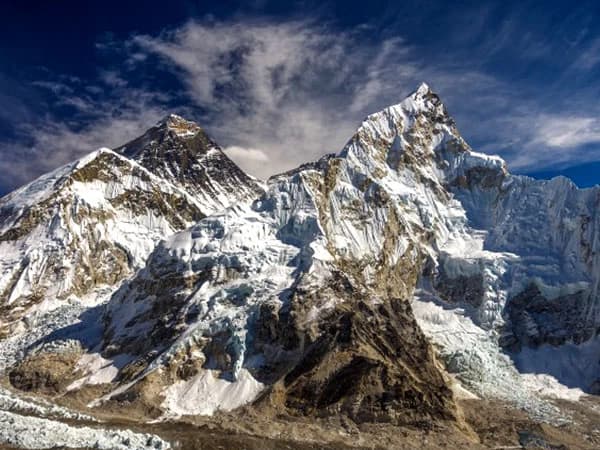
Island Peak Climbing is one of Nepal’s most exciting peak climbing adventures, combining the beauty of Everest region trekking with the challenge of Himalayan mountaineering. Located in the Khumbu region of Nepal, Island Peak (Imja Tse) stands at an elevation of 6,187 meters (20,299 ft) and offers incredible views of some of the world’s highest mountains, including Mount Everest, Lhotse, Nuptse, Ama Dablam, and Makalu. This adventure is designed for travelers who want to experience something beyond a normal trek and step into the world of Himalayan climbing.
The journey begins from Kathmandu with a scenic flight to Lukla, followed by a beautiful trek through famous Sherpa settlements such as Phakding, Namche Bazaar, Tengboche, Dingboche, and Chhukung. Along the way, trekkers experience the unique culture, traditions, and lifestyle of the Himalayan people while walking through forests, rivers, suspension bridges, and breathtaking mountain landscapes. The route itself is a major attraction because it follows one of the most beautiful sections of the Everest region.
The Island Peak Expedition provides a perfect opportunity to experience high-altitude climbing with proper acclimatization and expert support. Before attempting the summit, climbers spend time adjusting to the increasing altitude and preparing at Island Peak Base Camp. The climbing section includes glacier walking, snowy trails, and technical sections where basic mountaineering skills are required. With proper guidance and preparation, this expedition becomes an achievable goal for adventure seekers.
Reaching the summit of Island Peak at 6,187 meters is the main highlight of this journey. From the top, climbers can enjoy breathtaking panoramic views of the Himalayan range and feel the achievement of standing on one of Nepal’s famous trekking peaks. The combination of natural beauty, cultural experiences, and the excitement of climbing makes this adventure a truly unforgettable Himalayan experience.
The Island Peak Summit Trek is ideal for those who want to challenge themselves while exploring the legendary Everest region. This 15-day itinerary is carefully planned with trekking days, acclimatization periods, and climbing preparation to provide a safe and enjoyable experience. From the busy streets of Kathmandu to the peaceful mountains of Khumbu, every moment of this journey offers a unique Himalayan adventure.
Length of the Trek
The total duration of the Island Peak Climbing package is 15 days, starting from your arrival in Kathmandu and ending with your final departure from Nepal. This carefully designed itinerary includes all important sections of the journey, such as Kathmandu preparation, Lukla flight, Everest region trekking, acclimatization, Island Peak Base Camp preparation, summit climbing, and return back to Kathmandu.
The trekking portion begins after the scenic flight to Lukla and continues through the beautiful Khumbu region. You will walk through famous Himalayan villages including Phakding, Namche Bazaar, Tengboche, Dingboche, and Chhukung before reaching Island Peak Base Camp. Each day is planned with a comfortable walking distance so that your body can gradually adjust to the increasing altitude.
The Island Peak Expedition requires proper time management because climbing above 6,000 meters is physically demanding. The itinerary includes acclimatization days at Namche Bazaar and Island Peak Base Camp, which are essential for reducing altitude-related risks and improving your chances of reaching the summit successfully. These rest periods also allow you to enjoy the surrounding Himalayan scenery and prepare mentally for the climb.
The summit day is the most challenging and rewarding part of the journey, as climbers make an early morning attempt to reach the top of Island Peak at 6,187 meters (20,299 ft). After completing the summit, the route descends back through Chhukung, Tengboche, Namche Bazaar, and Lukla before returning to Kathmandu.
The Island Peak Summit Trek is designed as a 15-day adventure to provide a balanced experience between trekking, acclimatization, and climbing. Although the journey is challenging, the proper pacing allows climbers to enjoy the Everest region while safely preparing for one of Nepal’s most popular peak climbing experiences.
Maximum Altitude of Island Peak Climbing
The highest point of the Island Peak Climbing journey is the summit of Island Peak (Imja Tse) at 6,187 meters/20,299 ft above sea level. Reaching this elevation is a major achievement because climbers experience the extreme Himalayan environment with cold temperatures, thin air, and challenging terrain. The gradual ascent through the Everest region helps your body adapt to the increasing altitude before attempting the summit.
During the journey, you will pass through several high-altitude locations, each offering unique landscapes and experiences. The trek starts from Lukla at 2,840 meters and gradually moves higher through Phakding, Namche Bazaar at 3,440 meters, Tengboche at 3,860 meters, Dingboche at 4,410 meters, and Chhukung at 4,730 meters. These stops are important for proper acclimatization before reaching the climbing section.
The Island Peak Expedition reaches its highest preparation point at Island Peak Base Camp, located at approximately 5,240 meters/17,191 ft. From here, climbers prepare for the final summit attempt by practicing climbing techniques, checking equipment, and getting ready for the glacier section. Spending time at this altitude helps climbers become more comfortable with the mountain environment before the summit day.
The summit climb from Base Camp to the top of Island Peak is the most demanding section of the adventure. Climbers move through snowy trails, glacier areas, and steep sections with the support of experienced climbing guides. Once at the summit, you can enjoy breathtaking views of Everest, Lhotse, Nuptse, Ama Dablam, and many other Himalayan peaks.
The Island Peak Summit Trek is carefully planned with gradual altitude gain and acclimatization days to make the climbing experience safer and more enjoyable. Although the high elevation creates challenges, the incredible mountain scenery and the feeling of standing above 6,000 meters make this journey one of Nepal’s most memorable Himalayan adventures.
Best Time for Island Peak Climbing
The best time for Island Peak Climbing is during the spring season (March to May) and autumn season (September to November). These months offer the most stable weather conditions, clear mountain views, and safer climbing opportunities in the Everest region. During these seasons, the trails are more comfortable, the skies are usually clear, and climbers can enjoy excellent views of the Himalayan peaks.
Spring is considered one of the ideal seasons for the Island Peak Expedition because the weather becomes warmer and the days become longer. During this period, the lower Everest region trails are decorated with blooming rhododendron flowers, making the trekking route more beautiful. The temperatures at higher elevations remain suitable for climbing, although nights at Island Peak Base Camp and during the summit attempt are still very cold.
Autumn is another highly recommended season for climbing Island Peak because the monsoon rain clears the atmosphere and creates excellent visibility. The mountain landscapes look fresh, and climbers can enjoy uninterrupted views of famous peaks like Everest, Lhotse, Ama Dablam, and Nuptse. The stable weather conditions during autumn also make it one of the busiest seasons for trekking and peak climbing in Nepal.
Winter (December to February) is possible for experienced climbers, but it is more challenging because of freezing temperatures, heavy snowfall, and stronger winds at higher altitudes. Similarly, the monsoon season (June to August) is generally less preferred because rain can affect the lower trekking trails, visibility, and flight operations to Lukla.
The Island Peak Summit Trek is best planned in spring and autumn to enjoy a safer and more comfortable climbing experience. Choosing the right season increases the chances of favorable weather, better mountain views, and a more enjoyable journey through the beautiful Everest region. Proper preparation and suitable equipment are still necessary because mountain weather can change quickly at any time of the year.
Food During Island Peak Climbing
Food plays an important role during the Island Peak Climbing journey because climbing above 6,000 meters requires continuous energy and proper nutrition. Throughout the trekking and climbing period, you will receive fresh and healthy meals that provide enough strength for long walking hours, high-altitude conditions, and the summit attempt. The meals are prepared according to the facilities available in the Himalayan region while maintaining quality and hygiene.
During the trekking section, meals are mainly served at local teahouses and guesthouses along the Everest region trail. You can enjoy a variety of dishes including traditional Nepali food, Tibetan-inspired meals, and common international options. Popular meals include Dal Bhat (rice, lentils, and vegetables), noodles, pasta, soups, potatoes, vegetables, eggs, bread, pancakes, and other energy-rich foods. These meals help maintain your stamina while walking through challenging mountain terrain.
The Island Peak Expedition also includes proper meal planning during the climbing period. At Island Peak Base Camp, the climbing team prepares nutritious food to support your body before the summit day. Meals usually include carbohydrates, proteins, and warm foods that help keep climbers energized in the cold mountain environment. Drinking enough water, tea, coffee, and warm beverages is also important to stay hydrated at high altitude.
As the altitude increases, your appetite may change because of the thin air and physical effort. Therefore, eating balanced meals and taking enough fluids become essential during the journey. Our team recommends consuming warm, easily digestible food and carrying personal snacks such as energy bars, chocolate, or dry fruits for additional energy while trekking.
The Island Peak Summit Trek offers a combination of local Himalayan cuisine and simple international meals throughout the adventure. Although food options become more basic at higher elevations, the available meals provide the necessary energy and support required to complete the trek and successfully attempt the Island Peak summit.
Accommodation During Island Peak Climbing
During the Island Peak Climbing journey, accommodation is arranged according to the different stages of the adventure, including comfortable hotel stays in Kathmandu, local guesthouses during the trekking route, and tented camping at Island Peak Base Camp. Each type of accommodation is selected to provide a comfortable resting environment while traveling through the Everest region.
In Kathmandu, you will stay at a comfortable hotel with modern facilities before and after the climbing journey. This time allows you to prepare for the trek, meet your climbing team, check necessary equipment, and rest after your international flight. After returning from the mountains, you will again stay in Kathmandu before your final departure.
During the trekking section, accommodation is provided at local teahouses and guesthouses located along the Everest region trail. These mountain lodges offer basic but comfortable rooms, usually with twin-sharing arrangements. Most guesthouses provide facilities such as beds, blankets, dining areas, and common bathrooms. Staying in these local lodges also gives you an opportunity to experience the warm hospitality and lifestyle of the Sherpa communities.
The Island Peak Expedition requires camping accommodation at Island Peak Base Camp because there are no regular teahouses available in this remote climbing area. The climbing team arranges tents, sleeping arrangements, and necessary camp facilities to support climbers during the preparation period. Camping at the base camp provides a closer starting point for the summit attempt and allows climbers to rest before the challenging climb.
The Island Peak Summit Trek combines different accommodation experiences, from comfortable city hotels to traditional Himalayan guesthouses and mountain camping. Although facilities become more basic as you move higher, the peaceful surroundings, incredible mountain views, and unique Himalayan atmosphere make every night of this adventure a memorable experience.
Transportation During Island Peak Climbing
Transportation is an important part of the Island Peak Climbing package because the journey includes both city travel and mountain flights. The adventure begins in Kathmandu, where you will receive airport pickup and transfer services. After completing the necessary preparation, you will travel toward the Everest region through one of the most exciting mountain flight experiences in Nepal.
The main transportation highlight of this journey is the scenic flight from Kathmandu to Lukla (2,840 m). This short but breathtaking flight offers incredible views of hills, valleys, and Himalayan peaks. During busy trekking seasons, flights may operate from Manthali/Ramechhap Airport, where you will travel by shared tourist vehicle from Kathmandu before taking the flight to Lukla.
The Island Peak Expedition continues on foot after reaching Lukla because the Everest region does not have road access beyond certain points. The trekking route passes through beautiful Sherpa villages, suspension bridges, forests, and mountain trails until reaching Island Peak Base Camp. Experienced guides manage the route and help coordinate the journey smoothly throughout the trekking period.
After completing the Island Peak summit and returning to Lukla, you will take a return flight back to Kathmandu or Manthali/Ramechhap depending on the flight schedule and seasonal operation. If the flight arrives at Manthali/Ramechhap, transportation will be arranged back to Kathmandu by shared tourist vehicle.
The Island Peak Summit Trek combines modern transportation facilities with a traditional Himalayan walking experience. While the flight to Lukla provides a quick connection to the Everest region, trekking through the mountains allows you to fully experience the natural beauty, culture, and adventure of the Khumbu region.
Required Experience for Island Peak Climbing
The Island Peak Climbing adventure requires good physical fitness, strong determination, and a willingness to walk for several hours in high-altitude conditions. Although previous technical climbing experience is not compulsory, having previous trekking experience in mountainous regions is highly recommended. Climbers should be prepared for long walking days, steep ascents, changing weather conditions, and the challenges of climbing above 6,000 meters.
Before starting the Island Peak Expedition, it is important to prepare your body through regular physical training. Activities such as hiking, running, cycling, strength exercises, and endurance training can help improve your stamina. Since the climb involves glacier sections, steep trails, and a long summit day, having good cardiovascular fitness will make the journey more comfortable and enjoyable.
Basic mountaineering knowledge is helpful for this adventure, especially during the final climbing section. Climbers should learn how to use essential equipment such as crampons, climbing harnesses, ropes, and ice axes. Before the summit attempt, the climbing guide provides necessary instructions and guidance to help you understand the techniques required for safe movement on snow and glacier terrain.
The Island Peak Summit Trek is suitable for adventurous trekkers who are physically prepared and mentally ready to challenge themselves in the Himalayas. Many first-time peak climbers successfully complete Island Peak with proper training, acclimatization, and support from an experienced climbing team. A positive attitude and patience are equally important because high-altitude climbing requires careful movement and teamwork.
With the right preparation, suitable equipment, and proper guidance, Island Peak can become a rewarding achievement for adventure seekers. The experience of standing on the summit of a 6,187-meter Himalayan peak creates unforgettable memories and builds confidence for future climbing adventures.
Safety and Guide Support During Island Peak Climbing
Safety is one of the most important aspects of the Island Peak Climbing journey because the adventure takes place in a high-altitude Himalayan environment. The route includes challenging mountain trails, changing weather conditions, and technical climbing sections. Therefore, proper planning, acclimatization, experienced guidance, and careful decision-making are essential for a successful and safe climbing experience.
Throughout the Island Peak Expedition, you will be supported by experienced trekking guides and licensed climbing guides who understand the Everest region and high-altitude conditions. They manage the daily walking pace, check your health condition, provide climbing instructions, and assist you during difficult sections. Their experience helps climbers handle the challenges of the mountain environment with more confidence.
The itinerary is designed with proper acclimatization days at important locations such as Namche Bazaar and Island Peak Base Camp. These rest periods allow your body to adjust gradually to higher elevations and reduce the risk of altitude-related problems. The climbing team also monitors weather conditions and makes decisions based on safety before attempting the summit.
The Island Peak Summit Trek includes the use of necessary climbing equipment and safety arrangements during the summit attempt. Climbers are guided through glacier sections using proper techniques and safety measures. Carrying a first aid kit, following the instructions of the climbing team, staying hydrated, and maintaining a steady pace are important parts of a safe Himalayan climbing experience.
With professional support, proper preparation, and responsible climbing practices, Island Peak becomes a challenging yet achievable adventure. The combination of experienced guides, a carefully planned itinerary, and continuous safety management allows climbers to focus on enjoying the incredible beauty of the Everest region while pursuing their summit dream.
Weather and Temperature During Island Peak Climbing
The weather condition plays a major role in the success of the Island Peak Climbing journey because the adventure takes place in a high-altitude environment where temperatures and conditions can change quickly. The Everest region experiences different weather patterns depending on the season and altitude. Therefore, choosing the right time and preparing suitable clothing and equipment are essential for a safe and comfortable climbing experience.
During the Island Peak Expedition, temperatures gradually decrease as you move from Lukla toward higher elevations. Lower areas like Lukla and Namche Bazaar generally have moderate weather, while places like Dingboche, Chhukung, and Island Peak Base Camp experience much colder conditions. The summit day is usually the coldest part of the journey because climbers start early in the morning and spend several hours in freezing temperatures.
Spring (March to May) and autumn (September to November) are considered the best seasons for Island Peak climbing because they provide stable weather, clear skies, and excellent mountain visibility. During these periods, climbers can enjoy breathtaking views of Everest, Lhotse, Ama Dablam, and surrounding Himalayan peaks. The trails are also more comfortable, making the overall trekking and climbing experience more enjoyable.
The Island Peak Summit Trek can also be attempted during winter by experienced climbers, but temperatures become extremely cold with higher chances of snowfall and strong winds. The monsoon season is generally less preferred because rain can affect lower trekking routes, flight schedules, and mountain visibility. However, weather in the Himalayas is unpredictable, so climbers should always be prepared for sudden changes.
Proper clothing and equipment are necessary to handle different weather conditions throughout the journey. Warm layers, waterproof jackets, gloves, hats, and suitable climbing gear help protect against cold temperatures and wind. With the right preparation and guidance, climbers can safely enjoy the diverse weather conditions and stunning landscapes of the Everest region.
Permits Required for Island Peak Climbing
The Island Peak Climbing journey requires several permits because the route passes through protected areas of the Everest region and includes a technical peak summit. These permits help manage tourism activities, protect the natural environment, and ensure that climbing activities are conducted under proper regulations. All necessary permits are arranged before and during the trip as part of the climbing preparation process.
For the Island Peak Expedition, climbers need an Island Peak Climbing Permit issued by the authorized tourism authorities of Nepal. This permit allows climbers to attempt the summit of Island Peak (Imja Tse) and is mandatory for every individual participating in the climb. The cost of the climbing permit may vary depending on the season and government regulations.
Another important requirement is the Sagarmatha National Park Entry Permit, as the trekking route passes through the protected Everest region. This permit supports conservation activities and helps preserve the natural beauty, wildlife, and environment of the Himalayan area. Climbers also need the Khumbu Pasang Lhamu Rural Municipality Permit to enter and trek through the Khumbu region.
The Island Peak Summit Trek also requires a TIMS (Trekkers’ Information Management System) card for trekking activities in Nepal. This registration system helps maintain traveler records and improves safety management in trekking regions. Having all permits prepared before starting the journey ensures a smooth and hassle-free trekking experience.
Managing permits can be confusing for international travelers because requirements and procedures may change according to government rules. Therefore, a professional trekking company assists with the necessary documentation and arrangements before the expedition begins. With proper permits and preparation, climbers can focus on enjoying the incredible landscapes, culture, and adventure of the Everest region.
Who Can Join Island Peak Climbing?
The Island Peak Climbing adventure is designed for adventure lovers who want to experience Himalayan peak climbing while exploring the famous Everest region. This journey is suitable for trekkers who have good physical fitness, strong determination, and a passion for challenging themselves in a high-altitude environment. Although previous climbing experience is helpful, beginners with proper preparation and guidance can also take part in this exciting expedition.
The Island Peak Expedition is ideal for people who have completed high-altitude trekking or have experience walking in mountainous areas. Climbers should be comfortable with long walking hours, steep uphill trails, and changing weather conditions. Since the summit reaches above 6,000 meters, participants need good stamina and the ability to adapt to cold temperatures and lower oxygen levels.
People who enjoy adventure, nature, and cultural experiences will find this journey highly rewarding. The route passes through beautiful Sherpa villages, ancient monasteries, and stunning Himalayan landscapes, allowing travelers to experience both mountain adventure and local traditions. It is not only a climbing journey but also an opportunity to explore the unique lifestyle of the Everest region.
The Island Peak Summit Trek is suitable for individuals, groups, and adventure travelers who are physically prepared and mentally ready for a challenge. Before joining the climb, participants should complete fitness training and prepare themselves for trekking at high altitude. Regular hiking, cardio exercises, and strength training can greatly improve climbing performance.
With professional guide support, proper acclimatization, and careful preparation, Island Peak can be an achievable goal for many adventure seekers. This expedition offers the perfect combination of trekking, climbing, and personal achievement for those who dream of standing on a Himalayan summit.
Food and Water Management During Island Peak Climbing
Food and water management are essential parts of the Island Peak Climbing journey because your body requires enough energy to handle long trekking days and high-altitude climbing. As the altitude increases, physical effort becomes more demanding, so maintaining proper nutrition and hydration helps improve strength, stamina, and overall climbing performance throughout the adventure.
During the trekking section, meals are provided at local teahouses and guesthouses along the Everest region route. These places serve simple but nutritious meals that include Nepali, Tibetan, and international dishes. Common food options include Dal Bhat, rice, vegetables, noodles, pasta, soups, eggs, bread, potatoes, and other energy-rich foods that help trekkers stay active during daily walks.
For the Island Peak Expedition, special attention is given to food preparation during the climbing period. At Island Peak Base Camp, the support team arranges warm and nutritious meals to prepare climbers for the summit attempt. Food is planned to provide enough carbohydrates and proteins because climbers need extra energy while facing cold temperatures, glacier sections, and physically demanding climbing conditions.
Staying hydrated is equally important during high-altitude travel. Trekkers are advised to drink enough water throughout the day because dehydration can increase the effects of altitude. Purification methods, boiled water, or water treatment options are commonly used during the trek. Carrying a reusable water bottle or hydration system is highly recommended.
The Island Peak Summit Trek becomes more comfortable when climbers maintain a balanced diet and proper hydration habits. Although food choices become more limited at higher elevations, the available meals provide the necessary energy required for trekking and climbing. With good food management and regular hydration, climbers can stay stronger and better prepared for the unforgettable Island Peak summit experience.
.webp)
.webp&w=1200&q=75&dpl=dpl_835fhgRtGnzFwCSpZPGz3qwExnaY)
.webp&w=1200&q=75&dpl=dpl_835fhgRtGnzFwCSpZPGz3qwExnaY)