Everest Base Camp Trek Heli Return Complete Guide
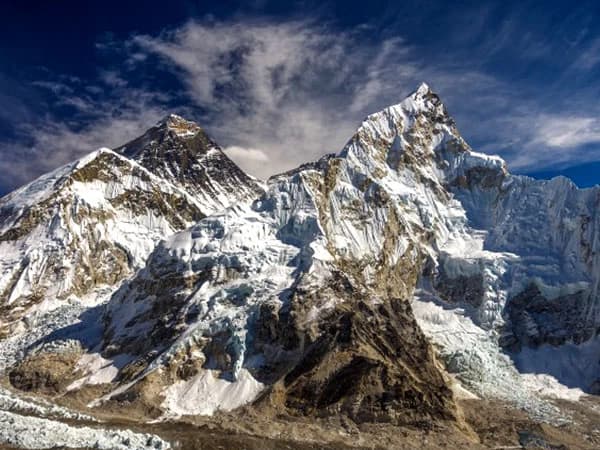
The Everest Base Camp Trek Heli Return is a 12-day adventure in the Khumbu region of Nepal, offering a perfect combination of classic Himalayan trekking and a scenic helicopter return experience. The journey takes you through the famous Everest trail inside Sagarmatha National Park, beginning with a thrilling flight from Kathmandu to Lukla and continuing through beautiful Sherpa villages like Phakding, Namche Bazaar, Tengboche, Dingboche, Lobuche, and Gorakshep before reaching the legendary Everest Base Camp at 5,364 meters. The trek is considered moderate to challenging because of the high altitude, long walking hours, and changing mountain conditions, but it is achievable for trekkers with good fitness and proper preparation. The highest point of the journey is Kala Patthar at 5,545 meters, which provides one of the best panoramic views of Mount Everest, Lhotse, Nuptse, Ama Dablam, and other Himalayan peaks.
During the Everest Base Camp Trek Heli Return, trekkers experience a gradual altitude gain with proper acclimatization days at Namche Bazaar and Dingboche, allowing the body to adjust to the mountain environment. The route includes comfortable tea house accommodation where travelers stay in local mountain lodges with basic facilities such as beds, blankets, charging options, and Wi-Fi availability in some places. Meals during the trek include traditional Nepali dishes like Dal Bhat as well as other options such as noodles, soups, rice, pasta, bread, and hot drinks. Staying hydrated is very important at high altitude, so trekkers can use bottled water, boiled water, or water purification methods while carrying a reusable water bottle.
The package requires necessary permits, including the Sagarmatha National Park Permit and Khumbu Pasang Lhamu Rural Municipality Permit, which allow trekkers to enter and explore the Everest region. A licensed trekking guide is an important part of the journey because they provide route guidance, safety support, altitude management, and local knowledge throughout the trek. Porters can also be arranged for travelers who prefer a lighter backpack and a more comfortable trekking experience. The best seasons for this adventure are spring (March to May) and autumn (September to November) because these months offer clear mountain views, stable weather, and better trail conditions.
Proper preparation is essential for a successful Everest Base Camp Trek Heli Return. Trekkers should carry suitable mountain clothing, trekking boots, warm layers, a down jacket, gloves, sunglasses, personal medicines, and other essential equipment. Travel insurance with high-altitude emergency evacuation coverage is highly recommended because the trek reaches above 5,000 meters. After reaching Everest Base Camp and Kala Patthar, the helicopter return from Gorakshep to Lukla provides a comfortable and unforgettable flight experience above glaciers, valleys, and Himalayan peaks, making this package an ideal choice for travelers who want to explore Everest with both adventure and comfort.
Everest Base Camp Trek Heli Return Best Time
The best time for Everest Base Camp Trek Heli Return is during the spring and autumn seasons because these periods provide stable weather, clear mountain views, and comfortable trekking conditions. Spring, from March to May, is one of the most beautiful times to explore the Everest region as the trails become colorful with blooming rhododendron flowers and the weather remains suitable for high-altitude trekking. During this season, trekkers can enjoy excellent views of Mount Everest, Lhotse, Nuptse, Ama Dablam, and other Himalayan peaks.
Autumn, from September to November, is considered the most popular season for the Everest Base Camp Trek Heli Return because of clear skies, dry trails, and outstanding visibility. After the monsoon season ends, the atmosphere becomes fresh, and the mountains appear closer and more impressive. The stable weather conditions also make helicopter flights more reliable, allowing travelers to enjoy the aerial return experience with better chances of clear Himalayan views.
Winter, from December to February, is also possible for experienced trekkers who are prepared for cold temperatures and snowy conditions. The trails are less crowded, and the mountain views can be stunning, but temperatures drop significantly, especially near Everest Base Camp and Kala Patthar. The helicopter flight schedule may also be affected by strong winds and unpredictable mountain weather during this period.
The monsoon season, from June to August, is generally less recommended for this trek because rainfall can make lower trails slippery and cause flight delays between Kathmandu and Lukla. Cloudy weather may also reduce mountain visibility and affect the overall trekking experience. For first-time trekkers and travelers who want the best combination of safety, comfort, and clear views, spring and autumn remain the ideal seasons for the Everest Base Camp Trek Heli Return.
Everest Base Camp Trek Heli Return Route Overview
The Everest Base Camp Trek Heli Return route follows the classic trekking trail of the Khumbu region while adding a comfortable helicopter return experience from the Everest area. The journey begins with a scenic mountain flight from Kathmandu to Lukla, where the trekking adventure officially starts. From Lukla, the trail passes through beautiful Sherpa settlements, green forests, suspension bridges, and riverside paths before gradually entering the higher Himalayan landscape.
The first section of the route takes trekkers from Lukla to Phakding and then continues toward Namche Bazaar, the famous gateway to Mount Everest. Namche is an important trading and cultural center of the Sherpa community and also serves as the first major acclimatization point of the trek. From Namche, the trail moves toward Tengboche, where trekkers can visit the famous Tengboche Monastery while enjoying breathtaking views of Everest, Ama Dablam, and surrounding peaks.
After Tengboche, the route gradually climbs through Pangboche, Dingboche, and Lobuche as the landscape changes from forests to a more rugged alpine environment. Dingboche is another important acclimatization stop that helps trekkers prepare for the higher sections ahead. Continuing through the Khumbu valley, the trail reaches Gorakshep, the final settlement before Everest Base Camp and Kala Patthar.
The highlight of the Everest Base Camp Trek Heli Return route is the walk from Gorakshep to Everest Base Camp, located at 5,364 meters. After exploring the base camp area and enjoying views of the Khumbu Glacier and surrounding mountains, trekkers return to Gorakshep. The next morning, an early hike to Kala Patthar at 5,545 meters provides spectacular sunrise views of Mount Everest and the Himalayan range.
After completing the trekking section, the helicopter flight from Gorakshep to Lukla offers a unique and memorable return journey. This scenic flight allows travelers to admire the Everest region from above while saving several days of descending on foot. From Lukla, trekkers take a flight back to Kathmandu, completing an incredible journey that combines classic Everest trekking with a comfortable Himalayan helicopter experience.
Everest Base Camp Trek Heli Return Accommodation
During the Everest Base Camp Trek Heli Return, accommodation is arranged in a combination of comfortable hotels in Kathmandu and traditional tea houses throughout the trekking route. In Kathmandu, trekkers stay in a standard hotel with modern facilities such as private rooms, attached bathrooms, Wi-Fi, and other basic services to provide a comfortable start and end to the Himalayan journey.
While trekking in the Everest region, accommodation is provided in local tea houses operated by Sherpa families. These mountain lodges offer a warm and welcoming environment where trekkers can rest after long walking days. Rooms are generally twin-sharing with basic facilities, including beds, mattresses, blankets, and pillows. Although facilities become more basic as the altitude increases, tea houses provide a comfortable place to relax and experience authentic Himalayan hospitality.
In lower areas like Phakding and Namche Bazaar, tea houses usually offer better facilities with options such as attached bathrooms in some lodges, charging facilities, Wi-Fi services, and more food choices. As the trek moves toward higher areas like Lobuche and Gorakshep, facilities become more limited because of the remote location and difficult transportation conditions. Shared bathrooms, limited electricity, and slower internet services are common in these higher-altitude settlements.
The accommodation experience during the Everest Base Camp Trek Heli Return allows trekkers to connect with local mountain communities while enjoying the simplicity of Himalayan life. Staying in tea houses not only provides necessary comfort but also gives travelers the opportunity to interact with Sherpa families, learn about their culture, and experience the unique lifestyle of the Everest region.
Everest Base Camp Trek Heli Return Food
Food plays an important role during the Everest Base Camp Trek Heli Return because trekkers need enough energy to complete long walking days and adjust to the high-altitude environment. Throughout the trekking journey, meals are served at local tea houses, where travelers can enjoy a variety of nutritious dishes prepared by mountain communities. Although food options become more limited at higher elevations, tea houses provide enough choices to maintain energy during the adventure.
Breakfast usually includes options such as Tibetan bread, pancakes, eggs, porridge, toast, cereals, noodles, and hot drinks like tea or coffee. A good breakfast helps trekkers prepare for several hours of walking, especially on challenging sections of the trail. Lunch is generally taken at a tea house along the route and may include traditional Nepali meals, noodles, pasta, rice dishes, soups, and other simple but filling options.
Dinner is usually the main meal of the day, allowing trekkers to recover after a long day on the trail. The most common and recommended meal in the Everest region is Dal Bhat, a traditional Nepali dish made with rice, lentils, vegetables, and curry. It provides a good balance of carbohydrates and protein, which is helpful for maintaining energy at high altitudes. Other options like momos, fried rice, noodles, potatoes, and soups are also available in many tea houses.
During the higher sections of the Everest Base Camp Trek Heli Return, food prices generally increase because supplies need to be transported from lower areas by porters or pack animals. Trekkers should also carry small energy snacks such as chocolate, nuts, protein bars, or dry fruits for additional energy while walking. Staying properly nourished helps the body handle altitude, cold temperatures, and physical effort more effectively.
The package generally includes meals during the trekking period, while personal expenses for extra snacks, alcoholic drinks, bottled beverages, or additional food items are usually managed separately. Eating balanced meals, drinking enough water, and avoiding heavy alcohol consumption are important practices for a safe and enjoyable Himalayan trekking experience.
Drinking Water During Everest Base Camp Trek Heli Return
Staying properly hydrated is one of the most important parts of the Everest Base Camp Trek Heli Return because the body loses more water during high-altitude trekking due to cold weather, dry air, and physical activity. Drinking enough water helps maintain energy levels, reduces fatigue, and supports better acclimatization as you gradually move toward higher elevations. Trekkers should make hydration a regular habit throughout the journey, even when they do not feel extremely thirsty.
During the trek, drinking water is available at tea houses and local shops along the route. Trekkers can purchase bottled mineral water, but carrying a reusable water bottle is recommended to reduce plastic waste in the Himalayan region. Many travelers also choose boiled water provided by tea houses or use water purification tablets, filters, or UV purification devices to make drinking water safer and more convenient throughout the trek.
As the altitude increases toward places like Dingboche, Lobuche, and Gorakshep, staying hydrated becomes even more important because the body requires more effort to adjust to the thinner air. Drinking warm water, herbal tea, or hot drinks can also provide comfort during colder sections of the trek. However, trekkers should avoid excessive caffeine and alcohol because they can contribute to dehydration at high altitudes.
For the Everest Base Camp Trek Heli Return, carrying a reusable water bottle or hydration bladder is highly recommended so you can drink water regularly while walking. Most trekkers should aim to drink around 3 to 4 liters of fluids per day, depending on weather conditions and physical activity. Proper hydration, combined with a balanced diet and slow walking pace, helps make the high-altitude trekking experience safer and more enjoyable.
Everest Base Camp Trek Heli Return Permits
Before starting the Everest Base Camp Trek Heli Return, trekkers need to obtain the required permits to legally enter and explore the Everest region of Nepal. These permits help protect the natural environment, support conservation activities, and manage trekking activities inside the protected Himalayan area. The necessary permits are arranged before entering the trekking trail, and trekkers should carry their passport details and required documents during the journey.
The main permit required for this adventure is the Sagarmatha National Park Permit, as the entire Everest Base Camp trekking route passes through Sagarmatha National Park, a UNESCO World Heritage Site. This permit supports the conservation of the unique Himalayan ecosystem, wildlife protection, and sustainable tourism activities within the region. Trekkers may need to show this permit at different checkpoints along the route.
Another required permit is the Khumbu Pasang Lhamu Rural Municipality Permit, which is needed to enter and trek through the local areas of the Khumbu region. This permit helps manage tourism activities and supports the development of local communities living in the Everest region. Since the Everest Base Camp route passes through several Sherpa villages, this permit plays an important role in maintaining the trekking infrastructure and local services.
For the Everest Base Camp Trek Heli Return, all permit arrangements are generally handled by the trekking agency before the trek begins. Trekkers only need to provide necessary personal documents, including passport details and photographs if required. Having all permits properly prepared allows travelers to enjoy their Himalayan journey without delays and focus on experiencing the incredible landscapes, Sherpa culture, and mountain views of the Everest region.
Everest Base Camp Trek Heli Return Packing List
For the Everest Base Camp Trek Heli Return, carrying the right equipment helps you stay comfortable and safe throughout the journey. The packing list should include essential trekking gear, warm clothing, personal items, and useful accessories required for high-altitude conditions.
Backpack and Carrying Gear
- Trekking backpack (40–50 liters)
- Backpack rain cover
- Small daypack for daily essentials
- Dry bags or waterproof bags
- Reusable water bottle or hydration bladder
Upper Body Clothing
- Moisture-wicking base layer shirts
- Thermal inner tops
- Fleece jacket
- Warm down jacket
- Waterproof and windproof jacket
- Lightweight trekking shirts
- Warm hat or woolen cap
- Neck warmer or buff
Lower Body Clothing
- Comfortable trekking pants
- Thermal inner pants
- Waterproof trekking pants
- Lightweight hiking shorts (lower areas)
- Comfortable underwear
Footwear and Socks
- Waterproof trekking boots
- Trekking socks
- Warm wool socks
- Extra pairs of socks
- Camp shoes or sandals
- Blister protection items
Hand and Head Protection
- Warm gloves
- Waterproof outer gloves
- Sunglasses with UV protection
- Sun hat
- Headlamp with extra batteries
Trekking Equipment
- Trekking poles
- Sleeping bag (recommended for cold nights)
- Travel towel
- Headlamp
- Power bank
- Camera and extra batteries
- Map or GPS (optional)
Hygiene and Personal Care
- Toothbrush and toothpaste
- Sunscreen
- Lip balm with SPF
- Hand sanitizer
- Wet wipes
- Personal medicines
- Basic first-aid kit
- Personal toiletries
Documents and Important Items
- Passport
- Trekking permits
- Travel insurance documents
- Passport-size photos
- Extra cash
- Mobile phone
Useful Extra Items
- Energy bars and snacks
- Water purification tablets/filter
- Small lock for luggage
- Earplugs
- Notebook and pen
- Small repair kit
Tip: Avoid overpacking for the Everest Base Camp Trek Heli Return. Carry only essential items because a lighter backpack makes high-altitude walking easier and more comfortable.
.webp)
.webp)
.webp)
.webp&w=1200&q=75&dpl=dpl_835fhgRtGnzFwCSpZPGz3qwExnaY)