
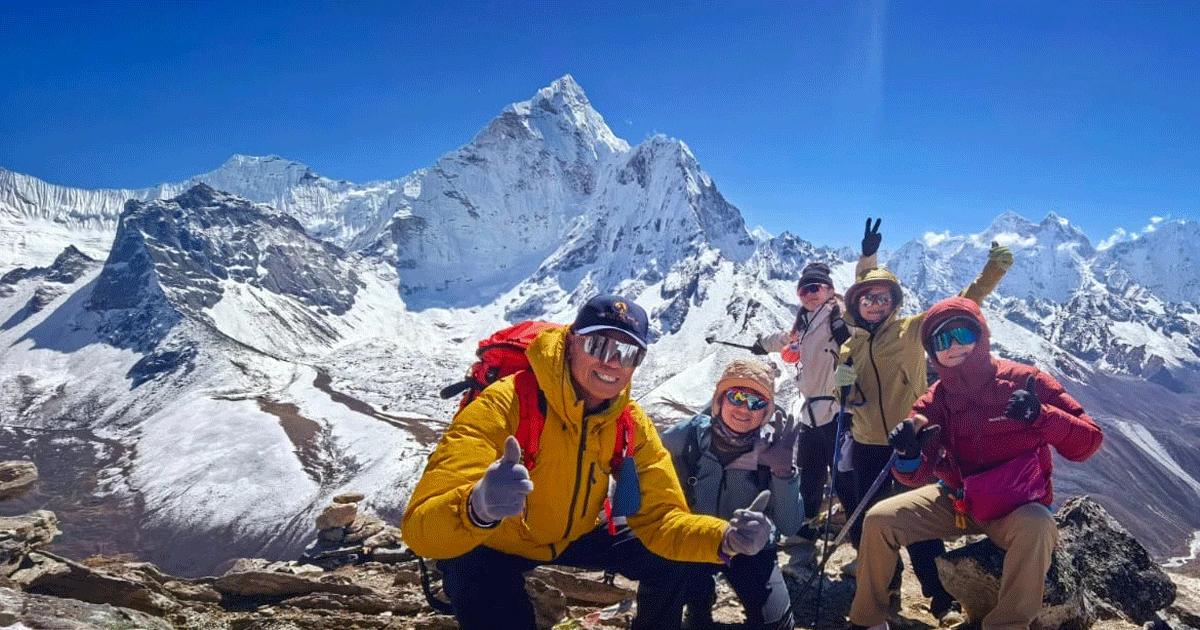
The Everest Base Camp Trek is one of the most famous trekking adventures in the world, attracting thousands of travelers every year. Located in the heart of Nepal's Khumbu region, this legendary trail takes you through beautiful Sherpa villages, ancient monasteries, dense forests, and high mountain landscapes before reaching the base of the world's tallest peak, Mount Everest (8,848.86 meters). Although the journey is physically demanding, the breathtaking scenery and unforgettable experiences make every step worthwhile.
For many trekkers, reaching Everest Base Camp is not only about standing beneath the highest mountain on Earth but also about experiencing the unique lifestyle of the Himalayan people. Along the trail, you will cross suspension bridges decorated with colorful prayer flags, explore lively mountain towns such as Namche Bazaar, visit the famous Tengboche Monastery, and enjoy spectacular views of Everest, Lhotse, Nuptse, Ama Dablam, and many other snow-covered peaks. Moreover, every day brings a different landscape, making the journey exciting from beginning to end.
If you are planning your adventure, this Everest Base Camp Guide 2027 will help you prepare with confidence. Whether you are wondering about the best time to visit, trekking permits, route, accommodation, food, transportation, altitude, packing list, or overall cost, this guide explains everything in simple and easy-to-understand language. Because proper planning is essential for a successful trek, understanding these details before you arrive in Nepal can make your journey much safer and more enjoyable.
Whether you are a beginner dreaming of your first Himalayan adventure or an experienced trekker looking for updated information, this guide is designed to answer your questions. By the end of this article, you will have a complete understanding of what to expect on the Everest Base Camp Trek, allowing you to plan your 2027 adventure with confidence and create memories that will last a lifetime.
Why Trek to Everest Base Camp in 2027?
The Everest Base Camp Trek is much more than a mountain hike because it offers an unforgettable journey through the heart of the Himalayas. Every year, thousands of trekkers travel to Nepal to experience the world's most iconic trekking route, where every day reveals breathtaking landscapes, towering snow-capped peaks, and the warm hospitality of the Sherpa community. While many destinations are beautiful, few can match the feeling of standing beneath Mount Everest after days of trekking through some of the most spectacular scenery on Earth.
Choosing the Everest Base Camp Guide 2027 is an excellent decision because Nepal continues to improve trekking services, accommodation, and safety measures throughout the Everest region. Tea houses have become more comfortable in many villages, communication facilities continue to improve, and experienced local guides make the journey safer and more enjoyable. As a result, trekkers can focus on enjoying the adventure while experiencing authentic Himalayan culture.
One of the biggest highlights of this trek is the incredible variety of landscapes. The trail begins with lush forests and rushing rivers before gradually leading to alpine valleys, rocky glaciers, and high mountain terrain. Along the way, you will visit famous places such as Namche Bazaar, Tengboche Monastery, Dingboche, Lobuche, and Gorak Shep, each offering a unique experience and stunning views of Everest, Lhotse, Ama Dablam, Nuptse, Thamserku, and many other Himalayan giants.
Besides the breathtaking scenery, the trek provides a unique opportunity to experience the traditions of the Sherpa people. You can explore ancient Buddhist monasteries, spin colorful prayer wheels, walk beneath fluttering prayer flags, and learn about the culture that has supported Everest expeditions for generations. These cultural experiences make the journey even more meaningful because they allow visitors to connect with the history and heritage of the Khumbu region.
Reaching Everest Base Camp at 5,364 meters (17,598 feet) is an achievement that many travelers dream about for years. Furthermore, the hike to Kala Patthar at 5,545 meters (18,192 feet) rewards trekkers with one of the finest panoramic views of Mount Everest, especially during sunrise. Whether you are seeking adventure, personal accomplishment, world-class mountain scenery, or a deeper cultural experience, trekking to Everest Base Camp in 2027 promises an unforgettable journey that will stay with you forever.
Everest Base Camp Trek Overview
The Everest Base Camp Trek is one of Nepal's most iconic trekking adventures, offering an unforgettable journey through the Khumbu region to the base of Mount Everest. The trek combines breathtaking mountain scenery, traditional Sherpa culture, and well-established trekking trails, making it a popular choice for both first-time Himalayan trekkers and experienced adventurers. Although the route is physically demanding, proper preparation and acclimatization allow most healthy trekkers to complete it successfully.
A standard Everest Base Camp Trek usually takes 12 to 14 days, depending on your itinerary and acclimatization schedule. The round-trip trekking distance is approximately 130 kilometers (81 miles), with an average walking time of 5 to 7 hours per day. The journey begins with a scenic flight to Lukla before passing through Phakding, Namche Bazaar, Tengboche, Dingboche, Lobuche, and Gorak Shep, finally reaching Everest Base Camp at an altitude of 5,364 meters (17,598 feet). Most itineraries also include an early morning hike to Kala Patthar (5,545 meters / 18,192 feet), which offers the best panoramic view of Mount Everest.
The trek is considered moderately challenging to challenging because of its high altitude rather than technical difficulty. The trails are well marked, and no climbing experience is required. However, the thin air above 3,000 meters makes gradual acclimatization essential. Taking enough rest days, walking at a steady pace, staying hydrated, and following your guide's advice significantly reduce the risk of altitude sickness.
Accommodation during the trek is mainly in traditional tea houses, where you can enjoy simple yet comfortable rooms after each day's walk. Most tea houses provide twin-sharing rooms with blankets, shared bathrooms, and warm dining halls where trekkers gather in the evenings. Although facilities become more basic as you climb higher, they provide everything needed for a comfortable stay in the mountains.
Meals are served at the tea houses throughout the route, offering a variety of local and international dishes. Popular options include Dal Bhat, fried rice, noodles, pasta, soups, momos, eggs, pancakes, porridge, and Tibetan bread. Hot drinks such as tea, coffee, hot lemon, and ginger tea are also widely available, helping trekkers stay warm in the colder temperatures at higher elevations.
Everest Base Camp Trek Route
The Everest Base Camp Trek Route follows a well-established trail through Nepal's Khumbu region, leading trekkers from the small mountain airport of Lukla to the foot of the world's highest mountain. Every section of the journey offers something different because the landscape gradually changes from green forests and flowing rivers to alpine valleys, rocky glaciers, and snow-covered peaks. Along the way, you will pass through traditional Sherpa villages, ancient monasteries, and several viewpoints that showcase the beauty of the Himalayas.
The adventure begins with a scenic flight from Kathmandu or, during some busy trekking seasons, from Ramechhap to Lukla. After arriving in Lukla, the trail descends gently to Phakding, where most trekkers spend their first night. The following day, the route follows the Dudh Koshi River, crossing several famous suspension bridges before climbing steadily to Namche Bazaar, the vibrant gateway to the Everest region.
After spending an acclimatization day in Namche Bazaar, the trail continues towards Tengboche, home to the region's most famous Buddhist monastery. From here, trekkers enjoy incredible views of Mount Everest, Ama Dablam, Lhotse, and Nuptse before continuing through Pangboche and Dingboche. Another acclimatization day is usually spent in Dingboche, allowing your body to adjust to the increasing altitude while offering optional hikes to nearby viewpoints.
Beyond Dingboche, the landscape becomes more rugged and dramatic as the trail passes through Lobuche and reaches Gorak Shep, the final settlement before Everest Base Camp. From Gorak Shep, trekkers hike across the Khumbu Glacier's rocky terrain to reach Everest Base Camp (5,364 meters). Although Mount Everest itself is not fully visible from Base Camp, standing beside the colorful expedition tents during the climbing season is an unforgettable experience.
The next morning, most trekkers hike to Kala Patthar (5,545 meters) before sunrise. This viewpoint offers the clearest and most spectacular panoramic view of Mount Everest, making it one of the highlights of the entire journey. After enjoying the breathtaking scenery, the trek follows the same trail back through Pheriche or Pangboche, Namche Bazaar, and finally Lukla, where the adventure comes to a memorable end.
Typical Everest Base Camp Trek Route
Kathmandu → Lukla → Phakding → Namche Bazaar → Tengboche → Dingboche → Lobuche → Gorak Shep → Everest Base Camp → Kala Patthar → Pheriche → Namche Bazaar → Lukla → Kathmandu
This classic route provides the perfect balance of adventure, acclimatization, and cultural exploration, allowing trekkers to experience the very best of the Everest region while safely reaching one of the world's most iconic trekking destinations.
Everest Base Camp Trek Distance
One of the most common questions trekkers ask before planning their adventure is, "How far is the Everest Base Camp Trek?" Although the exact distance depends on your itinerary and acclimatization hikes, the classic Everest Base Camp Trek covers approximately 130 kilometers (81 miles) round trip. Most trekkers complete this distance over 12 to 14 days, allowing enough time to adjust to the increasing altitude while enjoying the incredible scenery along the route.
The trek begins in Lukla at an elevation of 2,860 meters (9,383 feet) and gradually climbs to Everest Base Camp at 5,364 meters (17,598 feet). Most itineraries also include a hike to Kala Patthar (5,545 meters / 18,192 feet), which is the highest point reached during the trek and offers the best close-up view of Mount Everest. Although the daily distances are not extremely long, the combination of steep ascents, rocky trails, and high altitude makes each day more physically demanding than the numbers might suggest.
On average, trekkers walk 8 to 15 kilometers (5 to 9 miles) each day, depending on the stage of the journey. Walking time usually ranges from 5 to 7 hours, while some days, such as the hike to Everest Base Camp or Kala Patthar, may take slightly longer. Because the trail gains elevation gradually, maintaining a comfortable pace is far more important than walking quickly.
Acclimatization days are another important part of the journey. Most standard itineraries include two rest days in Namche Bazaar and Dingboche, where trekkers take short hikes to higher viewpoints before returning to sleep at a lower altitude. These additional hikes increase the total walking distance slightly, but they play a vital role in helping your body adapt to the thinner air and reducing the risk of altitude sickness.
Although the Everest Base Camp Trek distance may seem manageable, the real challenge comes from trekking at high altitude rather than covering long distances. By walking at a steady pace, taking proper acclimatization days, and staying well hydrated, most trekkers can comfortably complete the journey while fully enjoying one of the world's greatest trekking adventures.
Everest Base Camp Trek Difficulty
Many people wonder whether the Everest Base Camp Trek is suitable for beginners. The answer is yes, but it is important to understand that this is not an easy walk. The Everest Base Camp Trek difficulty is generally rated as moderate to challenging because of the high altitude, changing weather, and several days of continuous walking rather than technical climbing. If you have a reasonable level of fitness and prepare well before your trip, reaching Everest Base Camp is an achievable goal.
A typical trekking day involves walking for 5 to 7 hours, although some days may take 8 hours depending on the route and weather conditions. The trails include gradual climbs, steep stone staircases, suspension bridges, and uneven rocky paths. While there are no ropes or mountaineering skills required, trekking at elevations above 3,000 meters makes every step feel more demanding because the oxygen level decreases as you climb higher.
Altitude is the biggest challenge during the journey. The trek starts in Lukla at 2,860 meters, passes through villages such as Namche Bazaar, Tengboche, Dingboche, and Lobuche, before reaching Everest Base Camp at 5,364 meters. Most trekkers also hike to Kala Patthar (5,545 meters) for the best panoramic view of Mount Everest. As you gain elevation, your body needs time to adjust, which is why proper acclimatization days are included in standard itineraries.
Physical preparation can make a significant difference to your trekking experience. It is recommended to begin training at least 6 to 8 weeks before your trip by focusing on hiking, walking, jogging, cycling, stair climbing, and strength exercises. Improving your endurance will help you enjoy the trek more comfortably, especially during the longer uphill sections. Carrying a light backpack during training can also prepare your body for the daily trekking routine.
Mental preparation is just as important as physical fitness. Weather conditions can change quickly, temperatures become much colder at higher elevations, and basic facilities are common in remote mountain villages. Staying patient, maintaining a steady pace, eating nutritious meals, drinking plenty of water, and getting enough rest each day will greatly improve your chances of completing the trek successfully.
Best Time to Visit Everest Base Camp
Choosing the right season is one of the most important parts of planning your Everest Base Camp Trek. Although the trail is open throughout the year, weather conditions, mountain visibility, and trail conditions vary from season to season. The best time to visit Everest Base Camp is during spring (March to May) and autumn (September to November) because these months offer stable weather, clear skies, and comfortable trekking conditions.
Spring (March to May)
Spring is one of the most popular seasons for the Everest Base Camp Trek. As winter comes to an end, the temperatures become warmer, the days grow longer, and the mountain views are often crystal clear. Rhododendron forests bloom with colorful flowers at lower elevations, adding even more beauty to the journey. This is also the main Everest climbing season, so trekkers may see mountaineering expeditions preparing at Everest Base Camp.
Daytime temperatures are generally comfortable for trekking, while nights remain cold at higher elevations. Because this is a peak season, tea houses can become busy, so booking your trek in advance is highly recommended.
Autumn (September to November)
Autumn is considered by many trekkers to be the best time for the Everest Base Camp Trek. After the summer monsoon ends, the air becomes fresh, dust-free, and visibility improves significantly. The weather is usually stable, offering breathtaking views of Everest, Ama Dablam, Lhotse, and many other Himalayan peaks almost every day.
The temperatures are pleasant for walking during the day, while mornings and evenings become cooler as the season progresses. Since autumn is another peak trekking season, popular tea houses often fill quickly, especially during October.
Winter (December to February)
Winter offers a quieter trekking experience because fewer people visit the Everest region during this time. Snow-covered mountains create spectacular scenery, and the trails are much less crowded. However, temperatures can drop well below freezing, particularly at night, and heavy snowfall may occasionally affect higher sections of the route.
Trekkers who choose winter should be well prepared with warm clothing and flexible travel plans. Despite the colder conditions, many experienced hikers enjoy the peaceful atmosphere and stunning winter landscapes.
Monsoon (June to August)
The monsoon season brings frequent rainfall to much of Nepal, making lower sections of the trail muddy and slippery. Cloud cover often reduces mountain visibility, and flights to Lukla are more likely to experience delays due to changing weather conditions.
However, rainfall is lighter in the upper Khumbu region than in many other parts of Nepal. The hills become lush and green, and the trails are much quieter because fewer trekkers travel during this season. Those who do not mind occasional rain and changing weather can still enjoy a rewarding experience.
Which Season Should You Choose?
For most trekkers, spring and autumn remain the best seasons because they provide the most reliable weather, excellent visibility, and ideal trekking conditions. If you prefer fewer crowds and are comfortable with colder temperatures, winter can also be a rewarding option. Meanwhile, monsoon trekking is better suited for experienced travelers who are prepared for weather-related challenges and flexible travel schedules.
No matter which season you choose, proper preparation, suitable gear, and a well-planned itinerary will help you enjoy a safe and unforgettable Everest Base Camp adventure.
Everest Base Camp Permits
Before starting the Everest Base Camp Trek, every trekker must obtain the required permits. These permits help protect the natural environment, support local communities, and maintain trekking trails throughout the Everest region. Whether you are joining an organized trek or traveling independently, carrying valid permits is mandatory because they are checked at multiple checkpoints along the route.
For most trekkers, only two permits are required to complete the Everest Base Camp Trek. The first is the Sagarmatha National Park Entry Permit, which allows visitors to enter Nepal's first national park and a UNESCO World Heritage Site. The second is the Khumbu Pasang Lhamu Rural Municipality Permit, introduced to support local tourism infrastructure and conservation projects within the Khumbu region.
The Sagarmatha National Park Entry Permit can be obtained at the Nepal Tourism Board office in Kathmandu or at the park entrance in Monjo before entering the national park. Meanwhile, the Khumbu Pasang Lhamu Rural Municipality Permit is generally issued in Lukla or Monjo. If you book your trek through a registered trekking company, these permits are usually arranged for you before or at the beginning of your journey, allowing you to focus entirely on your adventure.
As of 2027, the combined permit cost for most foreign trekkers is NPR 6,000. This typically includes NPR 3,000 for the Sagarmatha National Park Entry Permit and NPR 3,000 for the Khumbu Pasang Lhamu Rural Municipality Permit. Permit fees may be revised by the concerned authorities, so it is always advisable to check the latest rates before traveling or confirm them with your trekking operator.
Trekkers should keep their permits safe throughout the journey because they may be inspected at several checkpoints, including Monjo and other locations along the trail. Losing a permit can lead to unnecessary delays, so storing it in a waterproof document pouch is a good idea, especially during unpredictable mountain weather.
Required Permits for Everest Base Camp Trek
Obtaining the correct Everest Base Camp permits is a simple but essential part of your trek preparation. Once your permits are ready, you can begin your journey through the Himalayas with confidence, knowing you have met all the official entry requirements for this world-famous trekking destination.
Accommodation on the Everest Base Camp Trek
Finding a comfortable place to rest after a full day of trekking is an important part of the Everest Base Camp Trek experience. Throughout the route, accommodation is mainly provided by traditional tea houses and mountain lodges operated by local families. These lodges offer a warm and welcoming atmosphere, allowing trekkers to relax, enjoy local hospitality, and prepare for the next day's adventure.
Most tea houses provide simple twin-sharing rooms with two single beds, a mattress, pillow, blanket, and basic furniture. The rooms are designed for comfort rather than luxury, and facilities become more basic as you climb to higher elevations. In popular villages such as Lukla, Phakding, and Namche Bazaar, you can often find rooms with attached bathrooms and modern amenities, while higher settlements like Lobuche and Gorak Shep usually offer shared bathrooms due to the remote mountain environment.
The dining hall is the heart of every tea house. After a long day on the trail, trekkers gather around a warm stove to enjoy meals, share stories, and meet travelers from around the world. Although bedrooms are generally not heated, the dining area provides a cozy place to spend the evening before heading to bed. During colder months, carrying a quality sleeping bag is recommended for extra warmth and comfort.
Most tea houses also offer additional services such as hot showers, Wi-Fi, battery charging, and filtered or boiled drinking water. However, these services usually require an extra payment, and the prices increase as you gain altitude because supplies must be transported by porters, yaks, or helicopters. Mobile network coverage is available in many villages, but internet speed and connectivity can vary depending on the weather and location.
For travelers looking for a more comfortable experience, several luxury lodges are available in lower sections of the trail, particularly in Lukla, Phakding, and Namche Bazaar. These lodges provide larger rooms, private bathrooms, comfortable beds, and a wider range of facilities. Regardless of whether you choose a standard tea house or a luxury lodge, staying in the mountains allows you to experience the unique culture, hospitality, and lifestyle of the Everest region while enjoying unforgettable views of the surrounding Himalayan peaks.
Food and Drinks on the Everest Base Camp Trek
One of the pleasant surprises for many trekkers is the variety of food available along the Everest Base Camp Trek. Every tea house has a menu with both local and international dishes, ensuring you can enjoy filling meals throughout your journey. Although the options become slightly more limited at higher elevations, the food is freshly prepared and provides the energy needed for long trekking days.
Breakfast is usually served early in the morning before you begin walking. Popular choices include porridge, oatmeal, eggs, toast, pancakes, Tibetan bread, chapati, muesli, and breakfast sets served with tea or coffee. These meals are rich in carbohydrates and protein, helping you stay energized as you climb to higher altitudes.
For lunch and dinner, Dal Bhat is the most popular and highly recommended meal among trekkers. This traditional Nepali dish consists of steamed rice, lentil soup, seasonal vegetables, and pickles, while many tea houses also offer free refills. Besides Dal Bhat, you can enjoy fried rice, noodles, pasta, macaroni, momos, pizza, spaghetti, soups, potatoes, sandwiches, and a variety of vegetarian dishes. Because fresh meat becomes difficult to transport to higher villages, many experienced guides recommend choosing vegetarian meals above Namche Bazaar for better food safety.
Staying hydrated is equally important during the trek. Tea houses serve a wide range of hot and cold beverages, including black tea, milk tea, ginger tea, lemon tea, coffee, hot chocolate, and hot lemon with honey. Drinking plenty of water helps your body adjust to the altitude, so trekkers are encouraged to carry a reusable water bottle and refill it with boiled or filtered water available at the lodges. Water purification tablets or portable filters are also useful for reducing plastic waste while ensuring safe drinking water.
If you enjoy snacks while trekking, you will find chocolates, biscuits, energy bars, nuts, and soft drinks available in most villages. However, prices increase significantly as you gain altitude because all supplies are transported by porters, yaks, or helicopters. Carrying a few of your favorite snacks from Kathmandu is therefore a good way to save money and have extra energy during longer walking days.
Overall, the Everest Base Camp food experience is much better than many first-time trekkers expect. The combination of nutritious local meals, comforting hot drinks, and freshly prepared dishes helps keep you energized throughout the journey, allowing you to fully enjoy one of the world's most spectacular trekking adventures.
Transportation to Everest Base Camp
Reaching the starting point of the Everest Base Camp Trek is an adventure in itself. Since there are no roads connecting Kathmandu directly to the Everest region, most trekkers travel by air to Lukla before beginning their trek. Depending on the trekking season, weather conditions, and your travel preferences, there are several transportation options available.
The most common way to reach the Everest region is by taking a flight to Lukla. During the quieter months, flights usually operate directly from Kathmandu to Lukla and take around 35 minutes. However, during the busy spring and autumn trekking seasons, many flights are operated from Ramechhap Airport instead of Kathmandu due to heavy air traffic. In this case, trekkers first drive about 4 to 5 hours from Kathmandu to Ramechhap before taking a 20-minute flight to Lukla.
Lukla Airport, officially known as Tenzing-Hillary Airport, is famous for its short runway and spectacular mountain setting. The flight itself is considered one of the most scenic in the world, offering incredible aerial views of the Himalayas, deep valleys, and traditional mountain villages. Because weather conditions in the mountains can change quickly, flight delays or cancellations are possible, so it is always wise to include one or two extra days in your travel schedule.
For travelers looking to save time or enjoy a premium experience, a helicopter flight to Lukla is another excellent option. Helicopters can often operate in weather conditions that may delay regular flights, although they are still subject to safety regulations. This option is faster, more flexible, and provides breathtaking panoramic views of the Everest region from the air.
Some adventurous trekkers also choose to begin their journey with an overland drive to Salleri or Thamdanda before trekking toward Lukla. Although this route reduces the need for a domestic flight, it adds several extra trekking days and is generally chosen by those with more time who want a different experience.
Whichever transportation option you choose, planning ahead is essential. Booking flights early during peak trekking seasons, allowing extra time for possible weather delays, and remaining flexible with your schedule will help ensure a smoother start to your Everest Base Camp Trek and allow you to focus on the incredible adventure that lies ahead.
Altitude and Acclimatization
Altitude is one of the biggest challenges on the Everest Base Camp Trek. As you climb higher into the Himalayas, the air becomes thinner and the amount of available oxygen gradually decreases. Although the trek does not require technical climbing skills, your body must adjust to the increasing elevation. Proper acclimatization is therefore one of the most important factors in completing the journey safely and comfortably.
The trek begins in Lukla at 2,860 meters (9,383 feet) and gradually passes through villages such as Namche Bazaar, Tengboche, Dingboche, and Lobuche before reaching Everest Base Camp at 5,364 meters (17,598 feet). Most trekkers also hike to Kala Patthar at 5,545 meters (18,192 feet), which is the highest point of the trek and offers the most spectacular view of Mount Everest. Because of this significant gain in altitude, nearly every standard itinerary includes acclimatization days to help your body adapt naturally.
The two most common acclimatization stops are Namche Bazaar and Dingboche. Rather than resting all day, trekkers usually take short hikes to higher viewpoints before returning to sleep at a lower elevation. This method, often described as "climb high, sleep low," helps your body produce more red blood cells and improves its ability to cope with lower oxygen levels. Following this gradual approach greatly reduces the risk of altitude-related illnesses.
Some trekkers may experience Acute Mountain Sickness (AMS) as they gain elevation. Common symptoms include headache, dizziness, nausea, loss of appetite, unusual tiredness, difficulty sleeping, and shortness of breath while resting. These symptoms should never be ignored. If they become more
Packing List for Everest Base Camp
Packing wisely is one of the most important steps in preparing for the Everest Base Camp Trek. Weather conditions in the Himalayas can change quickly, and temperatures vary significantly between the lower villages and higher elevations. Carrying the right gear will help you stay warm, comfortable, and safe throughout the journey. At the same time, it is best to keep your backpack as light as possible because you will be walking for several hours each day.
Clothing
Layering is the best way to stay comfortable in changing mountain weather. Pack moisture-wicking base layers, warm fleece jackets, an insulated down jacket, and a waterproof outer shell to protect yourself from wind and rain. You should also carry trekking pants, thermal wear for colder nights, comfortable T-shirts, gloves, a warm hat, a sun hat, and a neck buff or scarf. Extra underwear and quick-drying clothes are recommended because laundry facilities are limited at higher elevations.
Footwear
A good pair of waterproof trekking boots with ankle support is essential for uneven mountain trails. Make sure your boots are well broken in before the trek to avoid blisters. Carry several pairs of moisture-wicking trekking socks, warm wool socks for colder nights, lightweight sandals or camp shoes for relaxing at tea houses, and gaiters if you are trekking during snowy conditions.
Trekking Gear and Equipment
A comfortable backpack with a rain cover is necessary for carrying your daily essentials. Other useful items include trekking poles, a sleeping bag suitable for sub-zero temperatures, sunglasses with UV protection, a reusable water bottle or hydration bladder, water purification tablets or a portable filter, a headlamp with spare batteries, sunscreen, lip balm with SPF, and a quick-drying towel. These items will make your trek much more comfortable and convenient.
Personal Essentials
Carry your passport, passport-sized photographs, travel insurance documents, permits, cash in Nepalese Rupees, and any important travel documents in a waterproof pouch. A basic first-aid kit should include personal medications, blister treatment, pain relievers, altitude medication if prescribed, bandages, and hand sanitizer. Wet wipes, tissues, a toothbrush, toothpaste, and other personal toiletries are also useful because facilities become more basic as you gain altitude.
Electronics
Power sources are available in many tea houses, but charging usually requires an additional fee. Bring your mobile phone, camera, power bank, charging cables, universal travel adapter, and extra memory cards if you enjoy photography. Cold temperatures can reduce battery life, so keeping spare batteries and power banks warm inside your jacket is a smart idea.
Packing only the essentials will make your Everest Base Camp Trek more enjoyable. A lightweight backpack, proper clothing, and reliable equipment allow you to focus on the incredible mountain scenery rather than worrying about comfort or safety during the journey.
Essential Travel Tips for 2027
A successful Everest Base Camp Trek is not only about reaching your destination but also about preparing wisely before you arrive in Nepal. Good planning, the right equipment, and a flexible mindset will help you enjoy the journey safely while making the most of your Himalayan adventure. Whether you are trekking for the first time or returning for another visit, these practical tips can make your experience smoother and more enjoyable.
Start preparing for the trek several weeks before your departure by improving your fitness. Regular walking, hiking, cycling, jogging, or climbing stairs will build the endurance needed for long trekking days. Breaking in your trekking boots before the trip is equally important because new boots can cause painful blisters on the trail.
Always allow one or two extra days in your travel itinerary because flights to and from Lukla are highly dependent on weather conditions. Delays and cancellations are common, especially during the busy trekking seasons, so having a flexible schedule can help you avoid unnecessary stress if your flight is postponed.
While trekking, maintain a slow and steady pace instead of rushing to your destination. Drink plenty of water throughout the day, eat balanced meals, and never skip your acclimatization days. These simple habits greatly reduce the risk of altitude sickness and help your body adjust to the increasing elevation.
Cash is essential during the trek because most tea houses, cafés, and small shops accept only Nepalese Rupees. Although ATMs are available in Kathmandu and Namche Bazaar, they may not always be reliable, and there are no banking facilities in the higher villages. Carrying enough cash before leaving Namche Bazaar will help you pay for personal expenses such as Wi-Fi, hot showers, snacks, drinks, and battery charging.
Respecting local culture is another important part of the journey. Dress modestly, ask permission before taking photographs of local people, and follow the customs practiced in monasteries and villages. Small gestures of respect create meaningful interactions with the Sherpa community and make your trekking experience even more rewarding.
Finally, travel responsibly by reducing plastic waste and protecting the fragile mountain environment. Carry a reusable water bottle, dispose of rubbish properly, stay on marked trails, and support locally operated tea houses whenever possible. By following these simple practices, you help preserve the Everest region for future generations while enjoying one of the world's greatest trekking adventures.
Why Choose Himalayan Vista?
Planning the Everest Base Camp Trek is much easier when you travel with a reliable and experienced local company. Himalayan Vista is committed to providing safe, well-organized, and memorable trekking experiences for travelers from around the world. From your arrival in Nepal until the end of your journey, every detail is carefully managed so you can focus on enjoying the adventure.
Our experienced guides have extensive knowledge of the Everest region, local culture, mountain weather, and altitude safety. They not only lead you along the trail but also help with acclimatization, provide valuable local insights, and ensure your trek progresses at a comfortable pace. Their experience allows you to explore the Himalayas with greater confidence and peace of mind.
We believe every traveler has different goals and preferences. Whether you are looking for a standard Everest Base Camp Trek, a luxury trekking experience, or an itinerary with a helicopter return, we can help you choose the option that best suits your budget, schedule, and travel style. Our transparent pricing means you know exactly what is included before your adventure begins.
Safety is always our highest priority. We follow well-planned itineraries with proper acclimatization days, work with licensed trekking professionals, and provide continuous support throughout your journey. If weather conditions change or unexpected situations arise, our team is ready to assist you and make the necessary arrangements to keep your trek running as smoothly as possible.
With professional service, experienced local guides, personalized trekking packages, and a strong commitment to responsible tourism, Himalayan Vista is dedicated to helping you experience the Everest region in the safest and most enjoyable way possible. Your dream of reaching Everest Base Camp deserves careful planning, trusted support, and a team that understands the mountains as well as the people who call them home.
Conclusion
The Everest Base Camp Trek is more than just a journey to the foot of the world's highest mountain. It is an unforgettable adventure that combines breathtaking Himalayan landscapes, rich Sherpa culture, peaceful monasteries, and a true sense of personal achievement. Every step along the trail offers new experiences, from crossing suspension bridges and exploring mountain villages to witnessing the incredible beauty of Mount Everest and the surrounding peaks.
With proper planning, the right equipment, and enough time for acclimatization, this trek is achievable for anyone with a reasonable level of fitness and a spirit of adventure. Understanding the best trekking season, permits, accommodation, food, transportation, and altitude will help you prepare with confidence and make your journey safer and more enjoyable.
Whether you are planning your first Himalayan adventure or returning to Nepal for another unforgettable experience, the Everest region promises memories that will stay with you for a lifetime. Start preparing today, choose an itinerary that matches your goals, and get ready to experience one of the world's most iconic trekking destinations in 2027.