The Makalu Base Camp Trek is the perfect choice for trekkers who want to experience Nepal's Himalayas beyond the popular trails. Unlike the busy Everest and Annapurna regions, this adventure takes you into one of the country's most remote and untouched mountain landscapes. Because the route attracts fewer visitors, you can enjoy peaceful trails, breathtaking scenery, and a deeper connection with nature throughout the journey.
As you trek through Makalu Barun National Park, the landscape changes dramatically from lush forests and terraced hillsides to alpine meadows, glacial valleys, and rugged mountain terrain. Along the way, you will pass traditional villages where local communities continue to preserve their culture, customs, and warm hospitality. Every day offers new scenery, making the journey both exciting and rewarding.
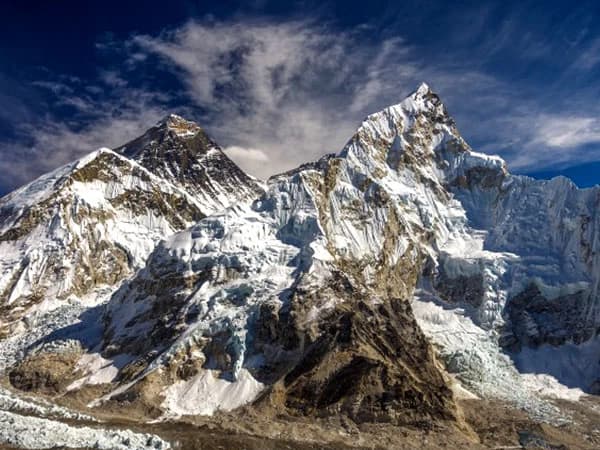
One of the greatest highlights is reaching Makalu Base Camp (4,870 m) beneath the towering Mount Makalu (8,485 m), the fifth-highest mountain in the world. The base camp also provides spectacular views of Baruntse, Chamlang, Peak 6, Peak 7, and several other Himalayan peaks. Since an extra exploration day is included, you will have plenty of time to enjoy the scenery, take photographs, and fully appreciate this remarkable mountain environment.
Although the trek is physically demanding, it is incredibly rewarding for hikers with good fitness and a spirit of adventure. With experienced guides, carefully planned acclimatization, and professional support from Himalayan Vista, you can explore one of Nepal's most spectacular wilderness regions with confidence. If you are looking for a challenging trek that combines natural beauty, authentic culture, and true Himalayan solitude, the Makalu Base Camp Trek is an unforgettable adventure.
Makalu Base Camp Trek Difficulty
The Makalu Base Camp Trek is considered a challenging trek and is best suited for trekkers with good physical fitness and a sense of adventure. Although the route does not require technical climbing skills, it involves long walking days, steep ascents and descents, rocky trails, and high mountain passes. On most trekking days, you will walk between 5 and 8 hours, while some sections require additional effort because of the rugged terrain and changing elevations.
One of the main challenges is the trek's remote location. Unlike Nepal's more popular trekking regions, the Makalu area has fewer villages and more basic facilities. The trail passes through dense forests, suspension bridges, alpine valleys, and high ridges before reaching Makalu Base Camp (4,870 m). Since services are limited in the upper sections, trekkers should be prepared for simple accommodations and fewer modern conveniences.
Altitude is another important factor to consider. As the trail gradually climbs above 3,000 meters, the risk of altitude sickness increases. To reduce this risk, the itinerary includes an acclimatization day at Khongma Danda, allowing your body enough time to adjust before continuing to higher elevations. Maintaining a slow pace, drinking plenty of water, and following your guide's advice are essential for a safe and enjoyable trek.
Although the journey is demanding, it is achievable for anyone who prepares well before arriving in Nepal. Regular hiking, cardio exercises, strength training, and endurance activities can significantly improve your trekking experience. With proper preparation, quality equipment, and the experienced support of Himalayan Vista, you can confidently complete this remarkable Himalayan adventure while enjoying some of the most spectacular mountain scenery in Nepal.
Accommodation
Accommodation during the Makalu Base Camp Trek combines the comfort of a city hotel with the authentic experience of staying in traditional mountain tea houses. You will spend your first and final nights in a comfortable hotel in Kathmandu, while the remaining nights are spent in locally operated tea houses and basic lodges along the trekking route. Although the facilities become simpler as you gain altitude, they provide a warm and welcoming place to rest after each day's adventure.
In lower villages such as Chichila, Num, Seduwa, and Tashi Gaon, tea houses generally offer twin-sharing rooms with comfortable beds, blankets, and shared bathrooms. Some lodges may also provide hot showers, charging facilities, and limited Wi-Fi for an additional fee. Since these villages are more accessible, the services are usually better than those found at higher elevations.
As you continue toward Khongma Danda, Dobato, Yangla Kharka, Langmale Kharka, and Makalu Base Camp, accommodation becomes more basic because of the remote mountain environment. Rooms are simple, usually with twin beds, mattresses, pillows, and warm blankets, while bathrooms are shared. Dining halls with wood or yak-dung stoves become the social center of each lodge, offering a cozy place to enjoy meals, relax, and interact with fellow trekkers.
Although luxury accommodation is not available on this route, the genuine hospitality of local families and the peaceful atmosphere of the Himalayas create a memorable experience. Staying in these traditional tea houses also allows trekkers to support local communities while enjoying an authentic journey through one of Nepal's most untouched trekking regions.
Food and Drinking Water
Meals during the Makalu Base Camp Trek are simple, freshly prepared, and designed to provide the energy needed for long days on the trail. Most tea houses serve a variety of Nepali, Tibetan, and basic international dishes. Although the menu becomes more limited at higher elevations because supplies are carried by porters or pack animals, the food remains nutritious and filling throughout the journey.
Breakfast usually includes options such as porridge, Tibetan bread, pancakes, eggs, toast, chapati, muesli, tea, and coffee. For lunch and dinner, trekkers can enjoy popular meals like Dal Bhat, fried rice, noodles, pasta, momos, soups, potatoes, vegetable curry, and seasonal vegetables. Dal Bhat, Nepal's traditional meal of rice, lentil soup, vegetables, and pickles, is highly recommended because it provides balanced nutrition and is often served with free refills in many tea houses.
Staying well hydrated is just as important as eating properly, especially at higher altitudes. Bottled water may be available in some villages, but it becomes more expensive as the trek progresses and also creates unnecessary plastic waste. Therefore, carrying a reusable water bottle or hydration bladder is the best option. Water can be safely purified using purification tablets, portable filters, or UV sterilization devices, all of which are widely recommended for high-altitude trekking.
To maintain your energy between meals, it is also helpful to carry snacks such as energy bars, dried fruits, nuts, chocolates, or electrolyte drinks. Eating regular meals, drinking plenty of water, and avoiding excessive alcohol will help your body adjust to the altitude and allow you to enjoy a safer and more comfortable trekking experience.
Duration
The Makalu Base Camp Trek is a 19-day adventure that combines scenic flights, overland travel, and an unforgettable trekking experience through one of Nepal's most remote Himalayan regions. The journey begins with a flight from Kathmandu to Tumlingtar, followed by a drive to Chichila, where the trekking trail starts. Over the following days, you will gradually ascend through traditional villages, dense forests, alpine meadows, and glacial valleys before reaching Makalu Base Camp (4,870 m).
To ensure a safe and enjoyable experience, the itinerary includes a dedicated acclimatization day at Khongma Danda. This allows your body to adjust to the increasing altitude while reducing the risk of altitude sickness. After exploring the base camp and surrounding viewpoints, you will retrace the same scenic route back to Tumlingtar before flying to Kathmandu.
During the trek, you can expect to walk for 5 to 8 hours each day, depending on the terrain, weather conditions, and daily destination. Some days involve steady uphill climbs, while others feature long descents, river crossings, and high mountain passes. Regular breaks for rest, photography, and lunch make each day's journey comfortable and enjoyable.
Although the trek requires time and commitment, every day offers something unique, from peaceful mountain villages and diverse wildlife to spectacular Himalayan landscapes. With a well-paced itinerary and proper acclimatization, the 19-day schedule provides the ideal balance between adventure, safety, and the opportunity to fully experience the beauty of the Makalu region.
Best Time to Visit
The Makalu Base Camp Trek can be completed throughout the year, but spring (March to May) and autumn (September to November) are widely considered the best seasons. During these months, the weather is generally stable, the skies are clearer, and the mountain views are at their most spectacular. Comfortable daytime temperatures and favorable trekking conditions also make the journey safer and more enjoyable.
Spring transforms the Makalu region into a colorful landscape filled with blooming rhododendrons, magnolias, and other wildflowers. Forests become vibrant, wildlife is more active, and the pleasant temperatures create ideal conditions for trekking. This season is perfect for photographers and nature lovers who want to experience the rich biodiversity of Makalu Barun National Park.
Autumn is the most popular trekking season because the monsoon rains leave the air fresh and the visibility exceptionally clear. Snow-capped peaks such as Mount Makalu, Baruntse, and Chamlang appear sharp against deep blue skies, while the dry trails make walking more comfortable. The stable weather also reduces the chance of flight delays to and from Tumlingtar.
Winter (December to February) is suitable for experienced trekkers who are prepared for freezing temperatures and possible snowfall at higher elevations. The trails are quieter, offering a peaceful trekking experience, although some high sections may become more challenging. During the monsoon season (June to August), heavy rainfall, slippery trails, leeches, and limited mountain views can make the trek more difficult, so this period is generally less recommended unless you are comfortable with wet-weather trekking.
Transportation
Transportation during the Makalu Base Camp Trek combines domestic flights and private road transfers to provide a smooth and efficient journey to one of Nepal's most remote trekking regions. Your adventure begins with a scenic flight from Kathmandu to Tumlingtar, offering breathtaking aerial views of rolling hills, deep river valleys, and the snow-capped Himalayas. Upon arrival, a private vehicle takes you on a picturesque drive to Chichila, the starting point of the trek.
After completing the trek, you will retrace the route from Num to Chichila before driving back to Tumlingtar. From there, you will board a domestic flight to Kathmandu, bringing your Himalayan adventure to a comfortable conclusion. Using flights significantly reduces travel time compared to long overland journeys, allowing you to spend more time exploring the mountains.
Road conditions between Tumlingtar and Chichila are generally suitable for private jeeps or other local vehicles, although some sections can be rough, especially after heavy rainfall. Experienced local drivers ensure safe transportation while navigating the winding mountain roads. Throughout the drive, you will pass beautiful hills, traditional villages, terraced farmland, and lush forests that offer an excellent introduction to eastern Nepal.
Although weather conditions in the Himalayas can occasionally affect domestic flight schedules, especially during the monsoon and winter seasons, flexible planning helps minimize any inconvenience. We recommend allowing an extra day in your Nepal travel itinerary after the trek, particularly if you have an international flight, to accommodate any unforeseen weather-related delays.
Permits
The Makalu Base Camp Trek requires several permits because the route passes through a protected conservation area and regulated trekking region in eastern Nepal. These permits help preserve the natural environment, support local communities, and ensure that trekking activities are properly managed. Before starting the trek, all required permits should be obtained and carried throughout the journey, as they are checked at multiple checkpoints along the trail.
The most important permit is the Makalu Barun National Park Entry Permit, which allows entry into one of Nepal's most biologically diverse national parks. The trek also requires the Makalu Rural Municipality Permit, which supports local tourism management and community development within the region. These permits are mandatory for both international and domestic trekkers.
As per the latest trekking regulations in Nepal, foreign trekkers are required to trek with a licensed trekking guide in many regulated trekking areas. Joining an organized trekking package ensures that the necessary permits are arranged before your departure, allowing you to focus entirely on your adventure without worrying about paperwork or administrative procedures.
When booking with Himalayan Vista, our team takes care of the complete permit process on your behalf. You simply need to provide a valid passport, passport-sized photographs if required, and your travel details. This ensures a smooth start to your trek while complying with the latest trekking regulations in Nepal.
Altitude Sickness and Acclimatization
The Makalu Base Camp Trek reaches a maximum altitude of 4,870 meters at Makalu Base Camp, making proper acclimatization an essential part of the journey. As you gain elevation, the amount of oxygen in the air gradually decreases, and your body needs time to adjust. Although many trekkers complete the trek without any issues, anyone can experience altitude sickness regardless of age or fitness level.
Common symptoms of Acute Mountain Sickness (AMS) include headaches, dizziness, nausea, loss of appetite, unusual tiredness, and difficulty sleeping. These symptoms often appear above 3,000 meters, so it is important to pay attention to how your body feels each day. Ignoring early signs may lead to more serious altitude-related illnesses, which require immediate descent and medical attention.
To reduce the risk, this itinerary includes a dedicated acclimatization day at Khongma Danda (3,500 m) before continuing to higher elevations. Walking at a steady pace, staying well hydrated, eating nutritious meals, avoiding alcohol, and getting enough rest all help your body adapt to the altitude. Your guide will also monitor your health throughout the trek and recommend appropriate action if any symptoms develop.
For additional safety, many trekkers consult their doctor about carrying altitude medication such as Acetazolamide (Diamox) before traveling to Nepal. However, medication should never replace proper acclimatization or responsible trekking practices. By following the itinerary, listening to your guide, and respecting the altitude, you can greatly improve your chances of enjoying a safe and successful trek to Makalu Base Camp.
Conclusion
The Makalu Base Camp Trek is an extraordinary adventure that takes you far beyond Nepal's popular trekking routes into one of the Himalayas' most remote and untouched regions. From picturesque mountain villages and lush forests to high alpine valleys and the breathtaking panorama at Makalu Base Camp (4,870 m), every stage of the journey offers unforgettable scenery and authentic cultural experiences. It is a trek that rewards those seeking solitude, natural beauty, and a true sense of exploration.
Although the trail is physically demanding, careful planning, proper acclimatization, and the guidance of experienced professionals make the journey both safe and rewarding. Whether you are an experienced trekker looking for a new challenge or an adventurer eager to explore a less-traveled corner of Nepal, this trek delivers memories that will last a lifetime.
At Himalayan Vista, we are committed to providing a well-organized trekking experience with experienced guides, reliable logistics, and personalized support from the moment you arrive in Nepal until your adventure concludes. Join us on the Makalu Base Camp Trek and discover one of the most spectacular wilderness destinations in the Himalayas, where every step brings you closer to nature, culture, and the majestic beauty of Mount Makalu.