Helambu Trek Complete Guide
The Helambu Trek is one of the most beautiful short trekking experiences in Nepal, offering a perfect combination of Himalayan scenery, traditional mountain villages, Buddhist culture, and peaceful natural surroundings. Located in the northern part of Kathmandu Valley, the Helambu region is part of the Langtang area and is one of the closest trekking destinations from Nepal’s capital city. Because of its easy accessibility, moderate difficulty, and stunning landscapes, the trek has become a popular choice for beginners, families, and travelers who want to experience the Himalayas without spending many weeks on a long expedition.
The Helambu Trek begins from Sundarijal, which is only around one hour away from Kathmandu by road. From here, the trail enters the beautiful Shivapuri Nagarjun National Park and gradually moves through lush forests, waterfalls, terraced farmland, and traditional mountain settlements. The trekking route passes through beautiful villages such as Chisapani, Kutumsang, Tharepati, Tarkeghyang, and Sermathang before ending near Melamchi Bazaar. Throughout the journey, trekkers experience a peaceful environment away from busy city life while enjoying beautiful views of the surrounding Himalayan landscapes.
One of the main attractions of the Helambu Trek is its unique cultural experience. The region is mainly inhabited by the Hyolmo and Tamang communities, who have preserved their traditional lifestyle, Buddhist practices, and mountain heritage for generations. During the trek, visitors can explore ancient monasteries, colorful prayer flags, stone-built houses, prayer wheels, and mani walls decorated with Buddhist inscriptions. The warm hospitality of local people provides trekkers with an opportunity to understand the real lifestyle of Himalayan communities.
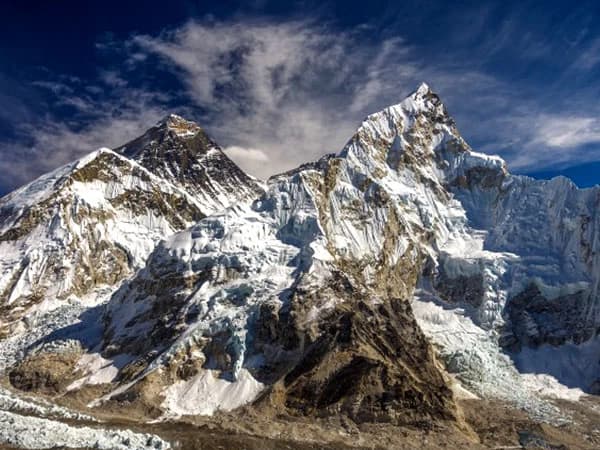
The natural beauty of Helambu is another major reason why travelers choose this route. The trail passes through beautiful rhododendron forests, pine forests, green valleys, and high mountain viewpoints. During spring, the forests become colorful with blooming rhododendron flowers, creating a magical atmosphere along the trekking route. The viewpoint of Tharepati, which is the highest point of the trek at around 3,650 meters, offers spectacular panoramic views of Himalayan peaks including Langtang Lirung, Ganesh Himal, Dorje Lakpa, Jugal Himal, and surrounding mountain ranges. Sunrise and sunset views from Chisapani and Tharepati are among the most memorable moments of this trek.
The 5 Days Helambu Trek is considered a moderate-level trekking adventure. Although it does not require technical climbing skills, trekkers should be physically prepared for daily walking of around 5 to 7 hours. The trail includes uphill climbs, downhill sections, stone steps, and uneven mountain paths. Since the maximum altitude is lower compared to trekking destinations like Everest Base Camp or Annapurna Circuit, the risk of altitude sickness is comparatively lower. However, maintaining a comfortable pace, drinking enough water, and having basic trekking preparation are still important for a safe and enjoyable experience.
The best time for the Helambu Trek is during spring (March to May) and autumn (September to November). Spring offers pleasant temperatures, clear mountain views, and beautiful blooming flowers throughout the forests. Autumn is considered the best trekking season in Nepal because of stable weather, dry trails, and excellent Himalayan visibility. Winter trekking from December to February is also possible because Helambu does not reach extreme elevations, although temperatures can become cold, especially at higher areas like Tharepati. The monsoon season from June to August is less recommended because rainfall can make trails slippery and reduce mountain visibility, but experienced trekkers can still enjoy the green landscapes with proper preparation.
Accommodation during the Helambu Trek is provided in local tea houses and mountain lodges. These tea houses offer simple but comfortable facilities where trekkers can rest after a long day of walking. Rooms are generally twin-sharing with beds, blankets, and basic furniture, while bathrooms are usually shared. Most tea houses have dining areas where trekkers can enjoy meals and interact with local families. Staying in these mountain lodges provides a genuine Himalayan experience because travelers get the chance to observe local lifestyles and enjoy traditional hospitality.
Food during the trek is fresh, simple, and nutritious. Since trekking requires a lot of energy, tea houses provide meals that help maintain stamina throughout the journey. The most popular trekking meal is Dal Bhat, which includes rice, lentils, vegetables, and curry. Other available food options include noodles, pasta, momos, pancakes, Tibetan bread, eggs, soups, sandwiches, and local Nepali dishes. Breakfast usually includes tea, coffee, eggs, toast, porridge, or pancakes, while lunch and dinner include a variety of traditional and international meals.
Transportation for the Helambu Trek is convenient because the trekking route is close to Kathmandu. The journey begins with a private vehicle drive from Kathmandu to Sundarijal, which takes approximately one hour. After completing the trek, trekkers reach Melamchi Bazaar, from where transportation is arranged back to Kathmandu. The road journey provides beautiful views of hills, rivers, villages, and countryside landscapes.
Trekkers need official permits before starting the Helambu Trek. The required permits include the Langtang National Park Entry Permit and the TIMS (Trekkers’ Information Management System) Card. These permits help protect the natural environment, manage trekking activities, and maintain safety records of visitors.
For a comfortable trekking experience, trekkers should carry suitable equipment and clothing. Essential items include trekking boots, warm layers, waterproof jackets, trekking pants, gloves, hats, sunglasses, a backpack, water bottle, personal medicine, sunscreen, toiletries, a headlamp, and a power bank. During colder months, additional warm clothing is necessary because temperatures can drop significantly during mornings and nights.
The Helambu Trek is suitable for a wide range of travelers, including beginners, families, couples, students, and experienced trekkers looking for a short Himalayan escape. Its combination of natural beauty, cultural richness, peaceful trails, and easy accessibility makes it one of the best short trekking routes in Nepal.
Overall, the Helambu Trek provides an unforgettable Himalayan experience within a short period. It allows travelers to explore beautiful mountain landscapes, experience authentic local culture, visit traditional villages, and enjoy breathtaking views of the Himalayas without requiring a long and challenging expedition. For those who want a peaceful, scenic, and culturally rich trekking adventure near Kathmandu, Helambu is one of the perfect choices in Nepal.
Where is Helambu Trek Located?
The Helambu Trek is located in the Langtang region of Nepal, northeast of Kathmandu Valley, and is one of the closest Himalayan trekking destinations from the capital city. The trekking area mainly covers the Sindhupalchok district and the lower Himalayan landscapes surrounding Langtang National Park. Because of its convenient location, Helambu is considered one of the easiest trekking regions to access in Nepal. Unlike many famous trekking routes that require domestic flights to reach the starting point, the Helambu Trek can be reached by road, making it a budget-friendly and time-saving option for travelers who want to experience the beauty of the Himalayas without spending many extra days on transportation.
The classic Helambu Trek route begins from Sundarijal, which is approximately one hour away from Kathmandu by private vehicle. From Sundarijal, the trail enters the peaceful environment of Shivapuri Nagarjun National Park and gradually moves through dense forests, traditional villages, terraced fields, rivers, and mountain landscapes. The route continues through beautiful settlements such as Chisapani, Kutumsang, Tharepati, Tarkeghyang, Sermathang, and finally Melamchi Bazaar. Each village along the trail offers a different experience with traditional houses, local farming practices, Buddhist culture, and breathtaking views of the surrounding Himalayan landscapes.
The Helambu region is especially famous for its unique cultural identity and traditional lifestyle. The area is mainly inhabited by the Hyolmo and Tamang communities, who have preserved their ancient traditions, Buddhist beliefs, and mountain way of living for generations. Travelers visiting this region can experience authentic Himalayan culture while walking through villages decorated with prayer flags, monasteries, prayer wheels, and mani walls. The combination of natural beauty and cultural richness makes Helambu one of the most rewarding short trekking destinations in Nepal.
The location of Helambu also makes it a perfect choice for travelers with limited time in Nepal. Since it is close to Kathmandu, trekkers can quickly move from the busy city environment into a peaceful Himalayan atmosphere. Within only a few days, visitors can experience mountain views, local traditions, forest trails, and village life, making the Helambu Trek a complete Himalayan adventure in a short period.
Where is Helambu Trek Located?
The Helambu Trek is located in the Langtang region of Nepal, northeast of Kathmandu Valley, and is one of the closest Himalayan trekking destinations from Nepal’s capital city. The trekking area mainly lies in the Sindhupalchok district and covers the lower Himalayan landscapes surrounding Langtang National Park. Due to its convenient location and easy road accessibility, Helambu is considered one of the most accessible trekking destinations in Nepal. Unlike other famous trekking routes that require domestic flights, the Helambu Trek can be reached by a short drive from Kathmandu, making it a suitable choice for travelers who want to experience the beauty of the Himalayas within a limited timeframe.
The classic Helambu Trek route begins from Sundarijal, which is approximately one hour away from Kathmandu by private vehicle. From Sundarijal, the trail enters the peaceful environment of Shivapuri Nagarjun National Park and gradually moves through beautiful forests, waterfalls, terraced farmlands, and traditional mountain villages. The trekking route passes through several beautiful settlements including Chisapani, Kutumsang, Thadepati, Tarkeghyang, Sermathang, and Melamchi Bazaar. Each village offers a unique experience with traditional stone houses, local farming practices, Buddhist culture, and stunning views of the surrounding Himalayan landscapes.
The Helambu region is especially famous for its unique cultural identity and traditional lifestyle. The area is mainly inhabited by the Hyolmo and Tamang communities, who have preserved their ancient traditions, Buddhist beliefs, and mountain lifestyles for generations. Travelers visiting Helambu can experience authentic Himalayan culture while walking through villages decorated with prayer flags, monasteries, prayer wheels, and mani walls. The combination of natural beauty and cultural richness makes Helambu one of the most rewarding short trekking destinations in Nepal.
Why Helambu Trek is Famous?
The Helambu Trek is famous because it provides a complete Himalayan trekking experience within a short period while offering beautiful landscapes, cultural exploration, and peaceful mountain trails. Although the region is located close to Kathmandu, the environment changes completely once trekkers enter the trail. The busy city atmosphere is replaced by quiet forests, fresh mountain air, traditional villages, and breathtaking Himalayan scenery. This perfect combination of adventure and accessibility makes Helambu a popular choice among both beginner and experienced trekkers.
One of the main reasons travelers choose the Helambu Trek is its easy accessibility. Many famous trekking destinations in Nepal require long transportation journeys or domestic flights before reaching the starting point, but Helambu can be reached directly by road from Kathmandu. This saves time and reduces travel costs while still providing a genuine Himalayan experience. Within only a few days, trekkers can explore mountain landscapes, local communities, and beautiful viewpoints without needing a long holiday period.
The trek is also well known for its rich cultural experiences. The Hyolmo and Tamang communities living in the region have maintained their traditional lifestyle, Buddhist practices, and unique heritage for many years. During the trek, visitors can explore ancient monasteries, Buddhist shrines, prayer flags, prayer wheels, and traditional mountain settlements. Meeting local people and experiencing their daily lifestyle creates a deeper connection with the region and makes the journey more meaningful.
Another important reason behind the popularity of Helambu Trek is its peaceful atmosphere. Compared to crowded routes like Everest Base Camp and Annapurna Base Camp, Helambu provides a quieter trekking experience where visitors can enjoy nature without large crowds. The trail passes through untouched forests, remote villages, and beautiful valleys, allowing trekkers to experience the authentic charm of Nepal’s Himalayan region.
Natural Beauty of Helambu Trek
The Helambu Trek offers incredible natural diversity, starting from green hills and forests near Kathmandu and gradually moving toward higher Himalayan landscapes. The trail provides a beautiful combination of forests, rivers, waterfalls, mountain valleys, and panoramic viewpoints. Every section of the trek offers something different, making the journey enjoyable for nature lovers, photographers, and adventure seekers.
During the trek, travelers walk through beautiful rhododendron forests, pine forests, and peaceful mountain trails surrounded by fresh natural scenery. In spring, the forests become especially attractive because rhododendron flowers bloom across the hills, creating colorful landscapes. The sound of flowing rivers, birds, and the peaceful environment make the trekking experience even more memorable.
The viewpoints of Chisapani and Tharepati are among the major highlights of the Helambu Trek. These locations provide spectacular sunrise and sunset views along with panoramic Himalayan scenery. From Tharepati, trekkers can enjoy breathtaking views of several mountain ranges, including Langtang Lirung, Ganesh Himal, Dorje Lakpa, Jugal Himal, Rolwaling ranges, and surrounding Himalayan valleys. The combination of mountains, forests, and traditional villages creates a unique landscape that represents the true beauty of Nepal.
Helambu Trek Difficulty Level
The Helambu Trek Difficulty is considered moderate and is suitable for travelers with basic physical fitness. The trek does not require technical climbing experience, but trekkers should be prepared for daily walking through mountain terrain, including uphill climbs, downhill sections, stone steps, and uneven trails. The average walking duration during the trek is around 5 to 7 hours per day, depending on the route and walking speed.
The highest point of the trek is Tharepati, located at approximately 3,650 meters above sea level. Although this altitude is lower compared to high-altitude trekking destinations like Everest Base Camp, trekkers should still take proper care of their health and maintain a comfortable walking pace. Drinking enough water, eating properly, and avoiding unnecessary rushing are important for a safe trekking experience.
The Helambu Trek is suitable for a wide range of travelers, including first-time trekkers, families, couples, students, senior travelers with good health, nature lovers, and photographers. With proper preparation and a positive attitude, most travelers can successfully complete this beautiful Himalayan journey.
Best Time for Helambu Trek
The best time for the Helambu Trek is during spring (March to May) and autumn (September to November) because these seasons provide stable weather, clear mountain views, and comfortable trekking conditions. During these periods, the trails are generally dry, the temperature remains pleasant, and the Himalayan scenery is at its best.
Spring Season (March to May)
Spring is one of the most beautiful seasons for the Helambu Trek because nature becomes colorful and lively. During this period, rhododendron flowers bloom throughout the forests, creating attractive landscapes along the trekking route. The weather remains comfortable for walking, and the visibility of mountains is usually excellent. The combination of fresh greenery, colorful flowers, and clear Himalayan views makes spring a perfect season for nature lovers and photographers.
Autumn Season (September to November)
Autumn is considered the best trekking season in Nepal because of its excellent weather conditions. After the monsoon season ends, the skies become clear, mountain views become more visible, and the trails become dry and comfortable for walking. September, October, and November offer stable temperatures and some of the best Himalayan views of the year, making autumn the most popular time for the Helambu Trek.
Winter Season (December to February)
Winter trekking in Helambu is possible because the region does not reach extreme elevations. During winter, the trekking trails are quieter, and travelers can enjoy peaceful surroundings with beautiful mountain views. However, temperatures become cold, especially during mornings and nights, so trekkers need proper warm clothing and preparation.
Monsoon Season (June to August)
The monsoon season is considered less suitable for the Helambu Trek because heavy rainfall can make trails slippery and muddy. Clouds and rain may also reduce mountain visibility. However, experienced trekkers who enjoy green landscapes and fewer crowds can still complete the trek with proper planning and suitable equipment.
Accommodation During Helambu Trek
Accommodation during the Helambu Trek is mainly provided through traditional tea houses and mountain lodges. These tea houses are operated by local families and provide simple yet comfortable facilities for trekkers. Staying in these lodges allows travelers to experience authentic Himalayan hospitality and understand the lifestyle of mountain communities.
Rooms are generally available on a twin-sharing basis with basic beds, blankets, and furniture. Most tea houses have common dining areas where trekkers can enjoy meals, relax after walking, and interact with other travelers. Bathroom facilities are usually shared, although some lodges may provide private bathrooms in certain locations.
Although tea house facilities are more basic compared to hotels in cities, they provide everything necessary for a comfortable trekking experience. The warm hospitality of local families and the peaceful mountain environment make tea house accommodation one of the memorable parts of the Helambu Trek.
Food During Helambu Trek
Food during the Helambu Trek is fresh, simple, and nutritious, providing enough energy for long walking days. Tea houses along the trekking route prepare meals according to the availability of local ingredients while offering both traditional Nepali dishes and some international food options.
The most popular trekking meal is Dal Bhat, which includes rice, lentils, vegetables, and curry. It is widely preferred among trekkers because it provides enough energy and nutrition required for mountain walking. Other common food options include Tibetan bread, pancakes, eggs, porridge, toast, noodles, pasta, momos, sandwiches, soups, rice dishes, and local Nepali meals.
Breakfast usually includes tea, coffee, eggs, pancakes, porridge, or bread items, while lunch and dinner generally include heavier meals to maintain energy throughout the trek. Hot drinks such as tea and coffee are also popular because they help trekkers stay warm in the mountain environment.
Transportation Details
The Helambu Trek is easily accessible because the trekking region is located close to Kathmandu. The journey begins with a private vehicle drive from Kathmandu to Sundarijal, which takes approximately one hour depending on traffic and road conditions. Sundarijal is the starting point of the classic Helambu trekking route.
After completing the trek, travelers reach Melamchi Bazaar, from where transportation is arranged back to Kathmandu. The drive usually takes around 4 to 5 hours and provides beautiful views of hills, rivers, villages, and countryside landscapes. The easy transportation access makes Helambu one of the most convenient trekking destinations in Nepal.
Helambu Trek Permits
Before starting the Helambu Trek, trekkers need to obtain the necessary permits required by the government of Nepal. The main permits required for this trekking route include the Langtang National Park Entry Permit and the TIMS (Trekkers’ Information Management System) Card.
The Langtang National Park Entry Permit is required because parts of the trekking route pass through protected areas. This permit helps support conservation activities and protects the natural environment of the region. The TIMS Card helps maintain trekking records and improves the safety management system for travelers visiting Nepal’s trekking areas. Having proper permits ensures a smooth and responsible trekking experience throughout the Helambu region.
.webp)
.webp&w=1200&q=75&dpl=dpl_835fhgRtGnzFwCSpZPGz3qwExnaY)
.webp&w=1200&q=75&dpl=dpl_835fhgRtGnzFwCSpZPGz3qwExnaY)