Standing above 4,000 meters is an experience unlike any other, because every step brings you closer to towering Himalayan peaks, peaceful mountain valleys, and breathtaking panoramic views. High Altitude Treks in Nepal offer more than just scenic trails—they challenge your body, strengthen your mind, and reward you with unforgettable memories.
Nepal is home to eight of the world's fourteen mountains above 8,000 meters, which is why it has become one of the most popular destinations for high-altitude adventures. From the famous Everest region to the remote trails of Dolpo and Kanchenjunga, trekkers can discover landscapes that are both dramatic and culturally rich.
Although trekking at high elevations requires proper preparation, thousands of trekkers successfully complete these journeys every year with careful planning and gradual acclimatization. Therefore, understanding what to expect before your adventure can make your trek safer, more enjoyable, and far more rewarding.
Whether you are planning your first Himalayan expedition or looking for your next challenging route, choosing the right trail is essential. Every region has its own scenery, culture, and level of difficulty, so selecting a trek that matches your fitness and experience will help you enjoy the journey to the fullest.
In this guide, you will discover the best high altitude treks in Nepal, learn what makes these routes unique, understand the challenges of trekking above 4,000 meters, and find practical tips for preparing for your adventure. By the end, you will have a clear idea of which Himalayan trek is the perfect choice for your next journey.
What Is a High Altitude Trek?
A high altitude trek is a trekking journey that takes you to elevations above 2,500 meters, where the amount of oxygen in the air gradually begins to decrease. However, most trekkers notice the real effects of altitude once they climb above 3,500 to 4,000 meters, because the body has to work harder to adapt.
As you gain elevation, the air becomes thinner, which means your body receives less oxygen with every breath. Therefore, it is completely normal to feel slightly tired, breathe faster, or walk at a slower pace, especially during long uphill sections.
Unlike regular hiking trails, high altitude treks in Nepal require gradual ascent and proper acclimatization to reduce the risk of altitude sickness. Spending extra nights at certain villages allows your body to adjust naturally, making the journey both safer and more enjoyable.
These treks are not only about reaching a high point but also about experiencing some of the world's most spectacular mountain landscapes. Along the way, you pass through alpine forests, glacial valleys, high mountain passes, traditional Sherpa and Tibetan villages, and ancient monasteries that have preserved their culture for centuries.
Many of Nepal's most famous trekking routes, including Everest Base Camp, the Annapurna Circuit, and the Manaslu Circuit, fall into the high-altitude category because they climb well above 4,000 meters. Although these adventures are physically demanding, they reward trekkers with breathtaking Himalayan views that cannot be experienced at lower elevations.
With proper preparation, good physical fitness, and enough time for acclimatization, most healthy trekkers can successfully complete a high-altitude adventure. That is why these treks continue to attract thousands of outdoor enthusiasts from around the world every year.
Why Choose High Altitude Treks in Nepal?
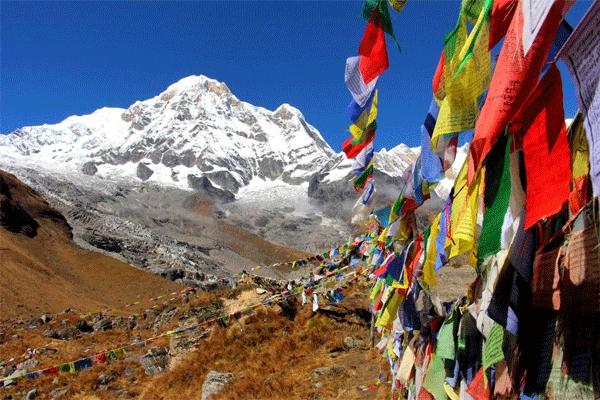
One of the biggest reasons to experience High Altitude Treks in Nepal is the incredible Himalayan scenery that changes with every step. Snow-covered peaks, turquoise glacial lakes, deep valleys, and high mountain passes create landscapes that are difficult to find anywhere else in the world.
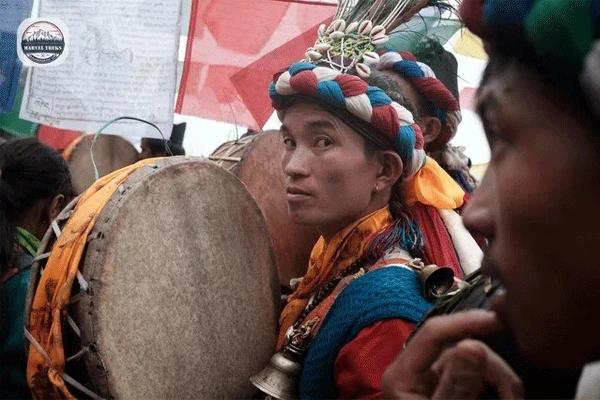
These trekking routes also offer a chance to experience Nepal's rich mountain culture, because many trails pass through traditional Sherpa, Gurung, Tibetan, and other Himalayan communities. Along the journey, you can visit ancient monasteries, spin colorful prayer wheels, and learn about customs that have been preserved for generations.
Another reason many trekkers choose Nepal is the wide variety of trekking options available. Whether you want to reach Everest Base Camp, cross the famous Three Passes, explore the Annapurna Circuit, or venture into remote regions like Dolpo and Kanchenjunga, there is a route for every level of experience and adventure.
Although these treks can be physically demanding, the sense of achievement makes every uphill climb worthwhile. Reaching a viewpoint above 5,000 meters, watching the sunrise over the Himalayas, or standing beneath some of the world's highest mountains creates memories that last a lifetime.
Nepal is also known for its well-established trekking infrastructure, especially on popular routes where tea houses, experienced guides, and marked trails make the journey more comfortable. At the same time, remote trekking regions provide a true wilderness experience for those looking to explore beyond the usual paths.
If you are searching for adventure, natural beauty, and cultural experiences in one journey, Nepal offers an unmatched combination of all three. That is why trekkers from around the world return again and again to explore new Himalayan trails with Himalayan Vista.
Best High Altitude Treks in Nepal
Everest Base Camp Trek
The Everest Base Camp Trek is one of the world's most famous Himalayan adventures, taking trekkers to an altitude of 5,364 meters at the base of Mount Everest. Along the journey, you pass through Sherpa villages, ancient monasteries, and the breathtaking landscapes of Sagarmatha National Park.
Everest Three Passes Trek
For experienced trekkers, the Everest Three Passes Trek offers a more demanding challenge by crossing Kongma La, Cho La, and Renjo La, all above 5,000 meters. This route combines Everest Base Camp, Gokyo Lakes, and spectacular panoramic viewpoints, making it one of Nepal's most rewarding high-altitude adventures.
Annapurna Circuit Trek
The Annapurna Circuit Trek is famous for its changing landscapes, beginning in lush valleys before reaching the magnificent Thorong La Pass (5,416 meters). Because the trail passes through diverse climates and traditional mountain villages, it remains one of Nepal's most iconic trekking routes.
Manaslu Circuit Trek
The Manaslu Circuit Trek circles the world's eighth-highest mountain and crosses the impressive Larke Pass (5,106 meters). Compared to more crowded trekking regions, this trail offers quieter paths, authentic Himalayan culture, and spectacular mountain scenery.
Kanchenjunga Base Camp Trek
The Kanchenjunga Base Camp Trek leads trekkers into one of Nepal's most remote and untouched regions near the world's third-highest mountain. Although the journey is longer and more challenging, it rewards visitors with dramatic glaciers, pristine valleys, and peaceful mountain landscapes.
Dhaulagiri Circuit, Makalu Base Camp, and Upper Dolpo Trek
Treks such as the Dhaulagiri Circuit Trek, Makalu Base Camp Trek, and Upper Dolpo Trek are designed for experienced adventurers seeking remote wilderness and high mountain passes above 5,000 meters. These routes demand excellent fitness and careful preparation, but they provide some of the most isolated and spectacular trekking experiences in the Himalayas.
Difficulty Level of High Altitude Treks
The difficulty of high altitude treks in Nepal depends on several factors, including elevation, trail conditions, daily walking hours, and weather. Although some routes are suitable for fit beginners, many high-altitude adventures require good endurance and careful preparation because the thinner air makes even moderate climbs more demanding.
Most treks involve walking 5 to 8 hours each day, often on rocky paths, steep ascents, and long descents. Carrying a daypack while trekking above 4,000 meters can feel much harder than hiking at lower elevations, so building stamina before your trip is highly recommended.
Altitude is often the biggest challenge rather than the trail itself. As you climb higher, your body receives less oxygen, which means you may walk more slowly and need additional rest even if you are physically fit.
Weather can also increase the difficulty, especially in higher regions where temperatures may drop below freezing during the night. Strong winds, snowfall, and sudden weather changes are common, particularly near high mountain passes, so having the right clothing and equipment is essential.
Mental preparation is just as important as physical fitness because some trekking days can be long and demanding. Staying patient, maintaining a steady pace, and following your guide's advice will help you enjoy the journey while reducing unnecessary fatigue.
With consistent training, proper acclimatization, and realistic expectations, most trekkers can successfully complete these Himalayan adventures. Preparing your body before departure and allowing enough time to adjust to the altitude are the keys to a safe and rewarding trekking experience.
Common Challenges During High Altitude Treks
One of the most common challenges on high altitude treks in Nepal is adjusting to the lower oxygen levels as you gain elevation. Above 3,500 meters, many trekkers notice that breathing becomes more difficult, and simple activities such as climbing stairs or walking uphill require more effort.
Altitude sickness is another concern that should never be ignored, because it can affect anyone regardless of age or fitness level. Early symptoms may include headaches, nausea, dizziness, loss of appetite, or unusual tiredness, so recognizing these signs early is extremely important.
Cold weather also becomes more challenging as you climb higher into the Himalayas. Morning and nighttime temperatures often fall below freezing, while strong winds and occasional snowfall can make trekking conditions even more demanding.
The remote nature of many Himalayan trails means that modern facilities are limited in higher villages. Although tea houses provide comfortable accommodation on popular routes, electricity, internet access, hot showers, and charging facilities may be limited or available only for an additional cost.
Long trekking days can test both your physical strength and mental determination, especially when crossing high mountain passes or walking on rocky terrain. However, maintaining a steady pace, staying hydrated, and taking regular breaks can help you conserve energy throughout the journey.
Despite these challenges, thousands of trekkers successfully complete high altitude trekking in Nepal every year with proper planning and acclimatization. Respecting the mountains, listening to your body, and following an experienced guide greatly increase your chances of having a safe and unforgettable adventure.
Essential Tips for High Altitude Trekking
Preparing well before your journey is one of the best ways to enjoy high altitude trekking in Nepal safely and comfortably. Regular cardio exercises, strength training, and practice hikes can improve your endurance, making long trekking days much easier.
Always follow a gradual ascent and never rush to gain altitude, because your body needs time to adjust to lower oxygen levels. Most trekking itineraries include acclimatization days, and following them greatly reduces the risk of altitude sickness.
Staying hydrated is equally important throughout the trek, even if you do not feel thirsty in the cold weather. Drinking 3 to 4 liters of water each day and eating balanced, energy-rich meals will help your body perform better at higher elevations.
Packing the right gear can make a significant difference in your trekking experience. Warm layered clothing, waterproof outerwear, sturdy trekking boots, sunglasses, gloves, a quality sleeping bag, and sunscreen are essential for changing mountain conditions.
Listen to your body at every stage of the journey and never ignore symptoms such as severe headaches, dizziness, or difficulty breathing. If your condition worsens, descending to a lower altitude and seeking medical attention should always be the first priority.
Finally, consider trekking with an experienced guide who understands the trail, weather, and altitude-related risks. Their local knowledge, safety awareness, and support not only make the adventure more enjoyable but also provide confidence throughout your Himalayan journey.
Best Time for High Altitude Treks in Nepal
Choosing the right season is essential for a safe and enjoyable high altitude trek in Nepal, because mountain weather can change quickly at higher elevations. Clear skies, stable temperatures, and good trail conditions not only improve the trekking experience but also offer the best views of the Himalayas.
Spring (March to May) is one of the most popular seasons for trekking, as the weather is generally stable and rhododendron forests bloom across the hillsides. Snow-covered peaks remain clearly visible, while mild daytime temperatures make long walks more comfortable.
Autumn (September to November) is considered the best trekking season in Nepal because the monsoon rains leave the atmosphere fresh and the mountain views exceptionally clear. The trails are dry, visibility is excellent, and the pleasant climate attracts trekkers from around the world.
Although winter (December to February) offers peaceful trails and spectacular snowy landscapes, temperatures at higher elevations can become extremely cold. Heavy snowfall may also close high mountain passes, making some trekking routes more difficult or inaccessible.
The monsoon season (June to August) is generally less suitable for most high-altitude treks due to frequent rainfall, slippery trails, and limited mountain views. However, rain-shadow regions such as Upper Mustang and Upper Dolpo receive much less rainfall and remain good trekking destinations during this period.
Selecting the right season depends on your trekking goals, experience, and preferred weather conditions. By planning your adventure at the right time of year, you can enjoy safer trails, better visibility, and a more memorable Himalayan trekking experience.
Permits Required for High Altitude Treks in Nepal
Most high altitude treks in Nepal require one or more trekking permits, because these routes pass through national parks, conservation areas, or restricted regions. Carrying the correct permits is mandatory, and officials check them at various checkpoints along the trail.
For treks in the Everest region, you generally need the Sagarmatha National Park Entry Permit and the Khumbu Pasang Lhamu Rural Municipality Permit. These permits help protect the environment while supporting conservation efforts and local community development.
Popular routes in the Annapurna region require the Annapurna Conservation Area Permit (ACAP), while the Manaslu Circuit Trek requires the Manaslu Restricted Area Permit, the Manaslu Conservation Area Permit (MCAP), and the Annapurna Conservation Area Permit (ACAP) because the trail enters both protected regions.
Remote destinations such as Upper Mustang, Upper Dolpo, Kanchenjunga, and Nar Phu Valley have additional restricted area permits and special regulations. In most cases, these treks must be arranged through a registered trekking agency, and some routes require at least two trekkers accompanied by a licensed guide.
Permit fees vary depending on the trekking destination, season, and nationality, so it is always wise to confirm the latest requirements before your trip. Since regulations may change over time, checking updated permit information helps you avoid unexpected delays during your adventure.
Planning your permits in advance allows you to focus on enjoying the Himalayas rather than dealing with paperwork on the trail. With the necessary documents prepared before departure, you can begin your trekking journey with confidence and peace of mind.
Why Choose Himalayan Vista for High Altitude Treks?
Planning a high-altitude adventure requires more than just choosing a destination, because proper preparation, local knowledge, and experienced guidance play a major role in ensuring a safe journey. Himalayan Vista carefully designs every itinerary to include adequate acclimatization, realistic walking distances, and well-planned trekking schedules.
Our experienced local guides understand the terrain, weather conditions, and challenges of trekking above 4,000 meters. They monitor your pace, provide valuable safety advice, and help you respond quickly if any altitude-related symptoms appear during the trek.
Whether you are trekking to Everest Base Camp, crossing the Annapurna Circuit, or exploring remote regions like Manaslu or Kanchenjunga, we focus on providing reliable service from arrival to departure. From permit arrangements and transportation to accommodation and logistics, every detail is managed to make your journey as smooth as possible.
We believe every trekker has different goals, which is why our trips are designed with flexibility in mind. Whether you are a first-time high-altitude trekker or an experienced mountaineer seeking a greater challenge, our team can help you choose the route that best matches your experience and fitness level.
Safety, responsible tourism, and authentic local experiences remain at the heart of every adventure we organize. With professional support, transparent communication, and a passion for the Himalayas, we strive to make every trekking experience both memorable and rewarding.
Choosing the right trekking company can make all the difference when exploring Nepal's highest mountains. With Himalayan Vista, you can enjoy your Himalayan adventure knowing that an experienced local team is supporting you every step of the way.
Conclusion
High altitude treks in Nepal offer far more than the opportunity to reach impressive elevations, because they combine breathtaking mountain scenery, rich Himalayan culture, and a true sense of adventure. Every trail presents its own unique challenges, yet each step rewards trekkers with unforgettable landscapes and experiences that remain for a lifetime.
From the iconic Everest Base Camp Trek to the remote valleys of Kanchenjunga, Dolpo, and Makalu, Nepal offers high-altitude adventures for different levels of experience. Whether you are looking for a classic trekking route or a less-traveled Himalayan journey, there is a destination that matches your interests and fitness.
Success on a high-altitude trek depends on proper preparation, gradual acclimatization, and choosing the right season for your adventure. Training before your trip, carrying suitable equipment, and respecting the mountain environment will help you enjoy a safer and more comfortable journey.
Although trekking above 4,000 meters can be physically demanding, the reward is well worth the effort. Watching the sunrise over snow-capped peaks, crossing high mountain passes, and experiencing the warm hospitality of Himalayan communities create memories that few other adventures can match.
If you are ready to explore some of the world's highest trekking routes, now is the perfect time to start planning your journey. With the right preparation and the support of an experienced local team, your dream of trekking through Nepal's spectacular Himalayas can become an unforgettable reality.
FAQs
1. What is considered a high altitude trek in Nepal?
A high altitude trek generally refers to any trekking route that reaches elevations above 2,500 meters, although the effects of altitude become more noticeable above 3,500–4,000 meters.
2. Which is the best high altitude trek in Nepal?
Some of the most popular options include the Everest Base Camp Trek, Everest Three Passes Trek, Annapurna Circuit Trek, Manaslu Circuit Trek, and Kanchenjunga Base Camp Trek.
3. Can beginners do high altitude treks in Nepal?
Yes, beginners can complete some high-altitude treks with proper physical preparation, gradual acclimatization, and a well-planned itinerary. Choosing a trek that matches your fitness level is highly recommended.
4. What is the highest trekking pass in Nepal?
Thorong La Pass (5,416 meters) on the Annapurna Circuit and Kongma La Pass (5,535 meters) on the Everest Three Passes Trek are among the highest and most popular trekking passes in Nepal.
5. How can I prevent altitude sickness while trekking?
Ascend gradually, drink plenty of water, eat nutritious meals, avoid alcohol, and include acclimatization days in your itinerary. If symptoms worsen, descend immediately and seek medical assistance.
6. What is the best time for high altitude treks in Nepal?
The best seasons are spring (March to May) and autumn (September to November) because they offer stable weather, clear mountain views, and comfortable trekking conditions.
7. Do I need permits for high altitude trekking in Nepal?
Yes. Most trekking routes require permits such as national park permits, conservation area permits, or restricted area permits, depending on the destination.
8. How fit should I be for a high altitude trek?
You should have good cardiovascular fitness and the ability to walk 5–8 hours a day on uneven terrain. Regular hiking, running, cycling, and strength training are excellent ways to prepare.
9. Should I hire a guide for high altitude trekking?
Hiring a licensed guide is highly recommended because they provide local expertise, assist with navigation, monitor your health at altitude, and improve overall safety throughout the trek.
10. What should I pack for a high altitude trek in Nepal?
Pack layered clothing, insulated jackets, waterproof gear, sturdy trekking boots, gloves, a warm hat, sunglasses, sunscreen, a sleeping bag, trekking poles, a reusable water bottle, and a basic first-aid kit.