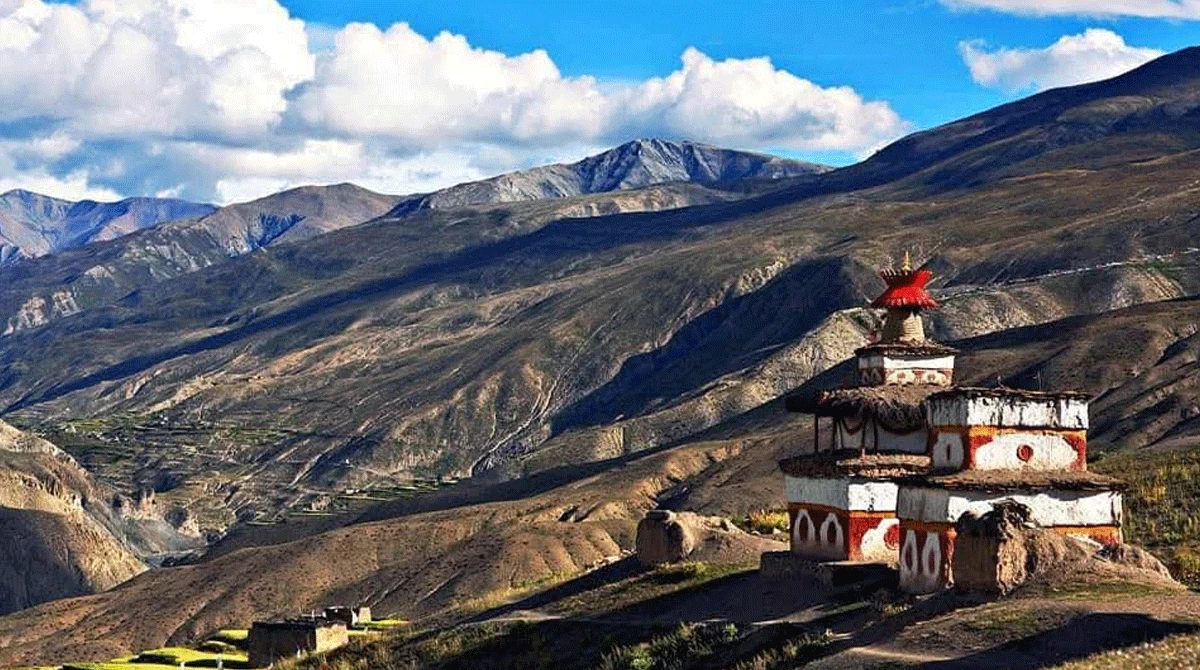
The Upper Dolpo Trek is one of Nepal’s most remote and extraordinary trekking adventures, taking you deep into the hidden valleys of western Nepal. This journey offers a perfect combination of untouched nature, ancient Tibetan Buddhist culture, dramatic mountain landscapes, and traditional Himalayan villages that have remained preserved for centuries.
This 25-day Upper Dolpo Trek Package includes 24 days of trekking and 1 departure day from Kathmandu. The adventure begins with scenic flights to Nepalgunj and Juphal before entering the restricted Upper Dolpo region, where trekkers can experience the true wilderness of the Himalayas.
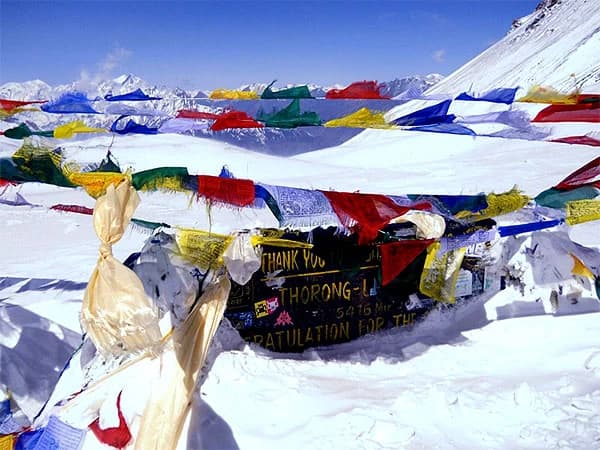
The trek is considered challenging and strenuous because it involves long walking days, remote trails, and crossing high mountain passes above 5,000 meters. The major highlights include Kang La Pass (5,360 m), Sela La Pass (5,095 m), and Jeng La Pass (5,110 m), which provide breathtaking views of the surrounding Himalayan peaks.
During the journey, you will discover the beauty of Phoksundo Lake, one of Nepal’s most stunning alpine lakes, surrounded by dramatic cliffs and peaceful landscapes. You will also explore ancient monasteries such as Shey Gompa, Namgung Gompa, and Yangze Gompa, where traditional Buddhist culture is still practiced.
Food during the trek includes breakfast, lunch, and dinner, with meals prepared according to the facilities available in local tea houses, lodges, and camping areas. You can enjoy traditional Nepali dishes, Tibetan-style food, and simple international meals that provide enough energy for long trekking days.
Accommodation throughout the trek includes tea houses, local lodges, and camping where required because Upper Dolpo is a remote restricted region with limited infrastructure. Although facilities are basic in some sections, the warm hospitality of local communities makes the experience more meaningful and memorable.
Transportation for the Upper Dolpo Trek includes private vehicle transfers and scenic domestic flights between Kathmandu, Nepalgunj, and Juphal. With a total trekking distance of approximately 250–300 km, this adventure is perfect for those looking for a true Himalayan expedition away from crowded trails.
Why Choose Upper Dolpo Trek?
The Upper Dolpo Trek is a perfect choice for trekkers who want to explore a hidden and less-crowded region of Nepal. Unlike popular trekking routes, Dolpo offers untouched landscapes, peaceful trails, and an authentic Himalayan experience where nature and traditional culture remain beautifully preserved.
This trek takes you through the remote valleys of Dolpo, where you can witness ancient monasteries, traditional villages, and the unique lifestyle of the local people. The journey provides a rare opportunity to experience Tibetan-influenced culture, where old customs, Buddhist traditions, and mountain life continue in their original form.
One of the biggest highlights of this adventure is the chance to explore the stunning Phoksundo Lake, surrounded by dramatic cliffs and breathtaking Himalayan scenery. Along the way, crossing high passes like Kang La Pass, Sela La Pass, and Jeng La Pass makes the trek more exciting while offering unforgettable panoramic mountain views.
Although the trek is challenging, every step rewards you with incredible landscapes, peaceful surroundings, and experiences that are difficult to find anywhere else in Nepal. The combination of wilderness, culture, and adventure makes Upper Dolpo one of the most unique trekking destinations in the Himalayas.
Choosing Himalayan Vista means traveling with experienced trekking professionals who understand the remote Dolpo region and focus on providing a safe, comfortable, and well-organized journey. Our team ensures proper planning, experienced guidance, and support throughout your adventure so you can enjoy the true beauty of Upper Dolpo without worries.
Upper Dolpo Trek Difficulty
The Upper Dolpo Trek is considered a challenging to strenuous-level trek because it takes you through remote Himalayan landscapes, high-altitude valleys, and several mountain passes above 5,000 meters. Although previous technical climbing experience is not required, trekkers should have good physical fitness, strong endurance, and the ability to walk for several hours each day.
The trek involves long walking days, steep ascents, rocky trails, and changing weather conditions. The highest points of the journey include Kang La Pass (5,360 m), Sela La Pass (5,095 m), and Jeng La Pass (5,110 m), where altitude and cold temperatures can make the crossing more demanding.
Because Upper Dolpo is a remote restricted region, the facilities are basic compared to popular trekking routes like Everest or Annapurna. Trekkers should be prepared for simple accommodations, limited services, and some camping sections where local lodges are not available.
Proper acclimatization days at Phoksundo Lake, Shey Gompa, and Dho Tarap are included in the itinerary to help your body adjust to higher elevations. Maintaining a slow pace, staying hydrated, eating well, and following your guide’s advice are important for completing the trek safely.
With proper preparation, regular training, and a positive mindset, the Upper Dolpo Trek becomes a rewarding adventure rather than just a physical challenge. This trek is ideal for experienced trekkers who are looking for a true Himalayan wilderness experience away from crowded trails.
Best Time for Upper Dolpo Trek
The best time for the Upper Dolpo Trek is during spring (March to May) and autumn (September to November) when the weather is stable and the trekking conditions are more comfortable. During these seasons, the skies are generally clear, the mountain views are excellent, and the trails are suitable for crossing high passes.
Spring is a beautiful season for exploring Upper Dolpo because the landscapes become more colorful with blooming wildflowers and fresh greenery in lower areas. Although higher regions remain dry and rugged, the pleasant temperatures and clear mountain views make this period ideal for long trekking journeys.
Autumn is considered the most popular season for the Upper Dolpo Trek because of its stable weather, clear visibility, and comfortable walking conditions. The dry climate allows trekkers to enjoy breathtaking views of mountains, valleys, ancient monasteries, and remote villages without frequent weather interruptions.
The summer/monsoon season (June to August) is generally less recommended because heavy rainfall in lower regions can affect transportation and flights to Juphal. However, Upper Dolpo lies in a rain-shadow area, so some experienced trekkers still choose this period because the region receives less rainfall compared to other parts of Nepal.
Winter (December to February) is not recommended for most trekkers because heavy snowfall, freezing temperatures, and difficult pass crossings can make the route extremely challenging. Therefore, planning your Upper Dolpo Trek Package during spring or autumn provides the best combination of safety, comfort, and unforgettable Himalayan views.
Permits Required for Upper Dolpo Trek
The Upper Dolpo Trek is located inside a restricted area of Nepal, which means trekkers need special permits before entering the region. These permits help protect the natural environment, preserve local culture, and regulate tourism in this remote Himalayan area.
The main permit required for this trek is the Upper Dolpo Restricted Area Permit. Since Upper Dolpo is a restricted trekking region, trekkers must enter with a registered trekking agency and a licensed guide according to Nepal government regulations.
You also need the Shey Phoksundo National Park Entry Permit because a large part of the trekking route passes through this protected area. The national park is home to diverse Himalayan landscapes, rare wildlife, forests, and the beautiful Phoksundo Lake.
Trekkers are also required to carry valid identification documents, including a passport copy and necessary photographs for permit processing. Your trekking agency will arrange all required permits before the journey begins, making the process easier and more convenient.
Having the correct permits ensures a smooth trekking experience while supporting conservation and sustainable tourism in the Dolpo region. With proper preparation and documentation, you can enjoy the incredible landscapes, ancient monasteries, and unique culture of Upper Dolpo without any difficulties.
Accommodation During Upper Dolpo Trek
Accommodation during the Upper Dolpo Trek is a combination of hotels, local tea houses, lodges, and camping depending on the location and available facilities. Since Dolpo is one of Nepal’s most remote trekking regions, accommodation facilities are more basic compared to popular routes like Everest Base Camp or Annapurna Circuit.
In Kathmandu and Nepalgunj, you will stay in comfortable hotels with modern facilities before starting the trek. Once you enter the Upper Dolpo region, you will stay in local tea houses and lodges in villages such as Dunai, Phoksundo, Shey Gompa, Saldang, and Dho Tarap whenever facilities are available.
In more isolated sections, especially during high-pass crossings and remote valleys, camping may be required because proper lodges are not available. During camping sections, our trekking team will arrange tents, sleeping arrangements, and necessary support to ensure a comfortable experience in the wilderness.
Although the facilities are simple, staying in local accommodations provides a unique opportunity to experience the traditional lifestyle of Dolpo communities. You can enjoy warm hospitality, interact with local people, and experience the peaceful mountain environment away from crowded trekking routes.
Trekkers should be prepared for basic facilities, including limited electricity, charging availability, and internet access in remote areas. However, the incredible landscapes, cultural experiences, and authentic Himalayan atmosphere make the accommodation experience an unforgettable part of the Upper Dolpo Trek.
Food During Upper Dolpo Trek
Food is an important part of the Upper Dolpo Trek because you need enough energy to complete long walking days and high-altitude sections. During the trek, you will receive breakfast, lunch, and dinner, prepared by local tea houses, lodges, or the trekking team during camping sections.
The meals are usually simple but nutritious, including traditional Nepali dishes, Tibetan-style food, and basic international options. Popular meals include dal bhat (rice, lentils, and vegetables), noodles, pasta, soup, potatoes, eggs, bread, pancakes, and seasonal vegetables depending on availability.
In lower villages like Dunai and Juphal, food options are more varied because supplies are easier to transport. As you move deeper into Upper Dolpo, the menu becomes more limited due to the remote location, but local cooks prepare fresh and filling meals suitable for trekking conditions.
During high-altitude sections and camping areas, meals are carefully planned to provide enough carbohydrates and energy for challenging days. Drinking enough water, staying hydrated, and maintaining a balanced diet are especially important while crossing high passes above 5,000 meters.
Although food facilities in Upper Dolpo are basic compared to popular trekking regions, enjoying local meals in remote mountain villages adds to the authentic experience. Sharing meals with local communities while surrounded by incredible Himalayan landscapes makes the journey even more memorable.
Travel Insurance for Upper Dolpo Trek
Travel insurance is mandatory for the Upper Dolpo Trek because this is a remote high-altitude trekking adventure that involves challenging trails, restricted areas, and passes above 5,000 meters. A proper insurance policy provides financial protection and support in case of unexpected situations during the journey.
Your travel insurance should include high-altitude trekking coverage, emergency helicopter rescue, medical treatment, and evacuation services. Since the trek reaches areas like Kang La Pass (5,360 m), Sela La Pass (5,095 m), and Jeng La Pass (5,110 m), normal travel insurance without high-altitude coverage may not be sufficient.
The Dolpo region is far from major cities, and medical facilities are very limited in remote areas. Therefore, having reliable insurance ensures that you can receive necessary assistance quickly in case of altitude-related problems, injuries, illness, or emergencies.
Before starting the trek, trekkers should carefully check their insurance policy and confirm that it covers trekking activities in Nepal at the required altitude. It is also recommended to carry a copy of your insurance documents and emergency contact details during the trek.
Although insurance cannot prevent unexpected situations, it provides confidence and peace of mind throughout your Himalayan adventure. With proper preparation and coverage, you can focus on enjoying the breathtaking landscapes, unique culture, and unforgettable experience of Upper Dolpo.
Conclusion
The Upper Dolpo Trek is a once-in-a-lifetime Himalayan adventure that takes you beyond the usual trekking routes and into one of Nepal’s most untouched regions. From the breathtaking beauty of Phoksundo Lake to ancient monasteries, traditional villages, and high mountain passes, every part of this journey offers a unique experience filled with nature, culture, and adventure.
Although the trek is challenging because of its remote location, long walking days, and high-altitude crossings, the rewards are truly unforgettable. The peaceful trails, incredible mountain views, and opportunity to witness the preserved lifestyle of the Dolpo people make this trek one of Nepal’s most extraordinary experiences.
With proper preparation, physical fitness, and an experienced trekking team, the Upper Dolpo Trek becomes a safe and rewarding adventure. Whether you are seeking remote landscapes, authentic Himalayan culture, or a journey far away from crowded trails, this trek offers memories that will stay with you for a lifetime.
Himalayan Vista is committed to providing a well-organized and memorable trekking experience with experienced guides, proper planning, and dedicated support throughout your journey. Join us to explore the hidden beauty of Upper Dolpo and discover one of Nepal’s most remarkable Himalayan treasures.