.webp&w=3840&q=75&dpl=dpl_835fhgRtGnzFwCSpZPGz3qwExnaY)
Introduction
Nepal is one of the most beautiful trekking destinations in the world, offering a perfect combination of breathtaking Himalayan landscapes, ancient cultures, diverse wildlife, and unforgettable mountain adventures. From the legendary Everest Base Camp Trek to the peaceful trails of the Annapurna Base Camp Trek, Langtang Valley Trek, and Manaslu Circuit Trek, as well as other regions, Nepal has something for every type of traveler. However, choosing the right season is one of the most important decisions before starting your Himalayan journey because weather conditions can greatly affect your comfort, safety, and overall experience.
The best time for trekking in Nepal depends on several factors, including the region you want to explore, your trekking experience, and the type of adventure you are looking for. Although trekking is possible throughout the year, each season brings its own unique beauty and challenges. Autumn usually provides stable weather and clear mountain views, while spring attracts trekkers with colorful rhododendron forests and pleasant temperatures.
Nepal experiences four major trekking seasons: spring, summer/monsoon, autumn, and winter. While the popular trekking routes like Everest, Annapurna, and Langtang are busiest during the peak seasons, remote areas such as Upper Mustang and Upper Dolpo can offer excellent trekking opportunities even during the monsoon period because they lie in the rain-shadow region.
Understanding the seasonal changes before booking your trek helps you prepare better with the right equipment, realistic expectations, and suitable itinerary planning. Whether you prefer clear Himalayan views, peaceful trails, blooming landscapes, or challenging high-altitude adventures, selecting the right month can make your journey more rewarding.
In this guide, we will explain everything about Nepal trekking seasons, including weather conditions, advantages, disadvantages, and the best trekking routes for each time of the year. This will help you choose the perfect season for your Himalayan adventure with confidence.
Why Choosing the Right Trekking Season Matters
Planning a Himalayan adventure is not only about selecting a beautiful trekking route; choosing the correct season plays an equally important role in making your journey safe, comfortable, and memorable. The mountains of Nepal experience dramatic weather changes throughout the year, and conditions can vary significantly between lower valleys and high-altitude areas. Therefore, understanding seasonal conditions before your trek helps you prepare properly and avoid unnecessary difficulties.
The best season for trekking in Nepal depends on several important factors, including weather stability, trail conditions, mountain visibility, and your personal trekking goals. A clear sky can provide incredible views of snow-covered peaks, while unstable weather may bring clouds, rain, snowfall, or flight delays in mountain regions. This is why experienced trekkers carefully consider the season before finalizing their itinerary.
Weather Conditions
Weather is one of the biggest factors that influences your trekking experience in Nepal. During favorable seasons, trekkers can enjoy comfortable daytime temperatures, dry trails, and better walking conditions. However, during extreme seasons, heavy snowfall at high elevations or rainfall in lower regions can make some routes more challenging.
Mountain Visibility
One of the main reasons travelers visit Nepal is to witness spectacular Himalayan views. Clear weather allows trekkers to enjoy panoramic sights of mountains like Everest, Annapurna, Manaslu, and Langtang. Autumn, especially after the monsoon period, is famous for excellent visibility because the atmosphere becomes cleaner and the skies are generally clearer.
Trail Conditions
The condition of trekking trails changes with the seasons. Dry and stable trails make walking easier, especially on challenging routes with high passes. On the other hand, monsoon rainfall can create muddy paths, slippery sections, and difficult walking conditions in many areas, while winter snowfall may block some high-altitude passes.
Safety and Comfort
Safety should always be a priority when exploring the Himalayas. Selecting the right season reduces risks related to extreme cold, heavy rain, unstable trails, and unpredictable mountain weather. A suitable trekking season allows you to maintain a comfortable pace and enjoy the journey without unnecessary challenges.
Crowd Levels and Availability
Season also affects the number of trekkers on popular routes. Peak seasons such as autumn and spring attract more visitors because of favorable conditions, meaning popular trails and teahouses can become busy. However, quieter months provide a more peaceful experience for those who prefer fewer people on the trail.
Trekking Costs and Planning
The season you choose can also influence your overall trekking budget. During peak trekking periods, flights, accommodation, and guides may have higher demand, whereas off-season trekking can sometimes offer more flexibility. Proper planning helps you balance your preferred experience with your available budget.
Nepal Trekking Seasons at a Glance
Nepal has four major seasons that offer different trekking experiences throughout the year. Although trekking is possible in many regions during all seasons, the weather, landscape, crowd level, and trail conditions change significantly from one season to another. Therefore, understanding the overall differences between seasons helps trekkers choose a route that matches their expectations and comfort level.
The Nepal trekking seasons are mainly divided into spring, summer/monsoon, autumn, and winter. Among these, autumn and spring are considered the most favorable periods for popular high-altitude treks because they generally provide stable weather, better visibility, and comfortable walking conditions. However, each season has its own unique attraction, from colorful forests in spring to peaceful snowy landscapes in winter.
Spring (March–May)
Spring is one of the most beautiful times to explore Nepal because the hills become colorful with blooming rhododendrons and fresh greenery. The temperatures gradually become warmer, making long trekking days more comfortable. It is especially suitable for trekkers who want pleasant weather combined with beautiful natural scenery.
Summer/Monsoon (June–August)
The monsoon season brings heavy rainfall to many parts of Nepal, making some trekking routes more challenging due to muddy trails, reduced visibility, and possible landslides. However, regions located in the Himalayan rain shadow, such as Upper Mustang and Upper Dolpo, remain excellent options during this period because they receive significantly less rainfall.
Autumn (September–November)
Autumn is widely regarded as the most popular trekking season in Nepal because the monsoon clears dust from the atmosphere, creating stunning mountain views and stable trekking conditions. The combination of comfortable temperatures, blue skies, and dry trails makes this season ideal for both beginners and experienced trekkers.
Winter (December–February)
Winter offers a completely different Himalayan experience with fewer trekkers, peaceful trails, and snow-covered landscapes. While high-altitude routes can become difficult because of freezing temperatures and snowfall, lower-altitude treks remain enjoyable for travelers who prefer solitude and quieter mountain experiences.
Spring Trekking in Nepal (March–May)
Spring is one of the most popular seasons for trekking in Nepal because it offers a perfect combination of comfortable weather, beautiful landscapes, and excellent mountain views. From March to May, the Himalayan trails become lively with blooming rhododendron forests, clear mornings, and pleasant temperatures, making it an ideal time for both beginners and experienced trekkers.
The spring trekking in Nepal season is especially famous for routes like Everest Base Camp, Annapurna Base Camp, Langtang Valley, and Manaslu Circuit. During this period, most trails are accessible, the weather remains stable, and trekkers can enjoy long walking days without extreme cold conditions. However, popular routes can become busy during April and May because many travelers choose this favorable season.
The temperature during spring varies according to altitude. Lower regions remain warm and comfortable, while higher Himalayan areas continue to experience cooler conditions. The mornings are usually clear, providing beautiful mountain views, although afternoon clouds may appear occasionally as May approaches.
One of the biggest highlights of spring is the colorful rhododendron bloom. The forests of Nepal turn red, pink, and white, creating a stunning background for trekking and photography. Along with flowers, trekkers can enjoy fresh greenery, waterfalls, traditional villages, and breathtaking Himalayan scenery.
Summer/Monsoon Trekking in Nepal (June–August)
Summer in Nepal coincides with the monsoon season, bringing frequent rainfall, cloudy skies, and green landscapes across the hills and valleys. Although many popular trekking regions receive heavy rain during this period, the season offers a different side of Nepal with fewer crowds, fresh scenery, and peaceful trails.
The monsoon trekking in Nepal season is generally considered challenging for many classic trekking routes because rainfall can make trails muddy, slippery, and difficult in lower regions. Routes such as Everest Base Camp, Annapurna Base Camp, and Langtang Valley may have limited mountain visibility due to clouds, and transportation delays can sometimes occur in remote areas.
However, monsoon does not mean trekking is impossible. Some regions of Nepal lie in the Himalayan rain-shadow area, where mountains block most rainfall. Places like Upper Mustang, Upper Dolpo, and parts of the Nar Phu Valley remain suitable for trekking during these months because they offer dry landscapes, unique culture, and fewer visitors compared to the peak seasons.
During this season, Nepal's landscapes become incredibly green, with blooming flowers, flowing rivers, and beautiful countryside views. Trekkers who enjoy peaceful trails and authentic village experiences often appreciate the quieter atmosphere of monsoon trekking.
The main challenge during the monsoon period is unpredictable weather. Rainfall can affect road conditions, mountain flights, and walking schedules, so proper planning and flexibility are important. Choosing the right region and preparing suitable rain gear can make the journey much more comfortable.
Although summer is not the preferred season for most high-altitude treks, it can be a rewarding time for travelers who want to explore Nepal's hidden regions away from the usual crowds. With the right destination and preparation, monsoon trekking offers a unique Himalayan experience filled with nature, culture, and adventure.
Autumn Trekking in Nepal (September–November)
Autumn is considered one of the most favorable seasons for exploring the Himalayas because it brings stable weather, clear skies, and some of the best mountain views of the year. After the monsoon ends, the atmosphere becomes cleaner, dust reduces, and the snow-covered peaks become highly visible from trekking trails, viewpoints, and mountain villages.
The autumn trekking in Nepal season is the busiest period for many famous routes because of its excellent trekking conditions. From September to November, temperatures remain comfortable, rainfall becomes rare, and most high-altitude trails are dry and accessible. This makes autumn a perfect choice for popular adventures like Everest Base Camp, Annapurna Circuit, Annapurna Base Camp, Manaslu Circuit, and Langtang Valley.
The weather during autumn is generally stable, especially in October and November. Days are warm enough for comfortable walking, while mornings and evenings at higher elevations can be cold. The clear weather allows trekkers to enjoy uninterrupted views of Himalayan peaks, including Everest, Annapurna, Dhaulagiri, and Manaslu.
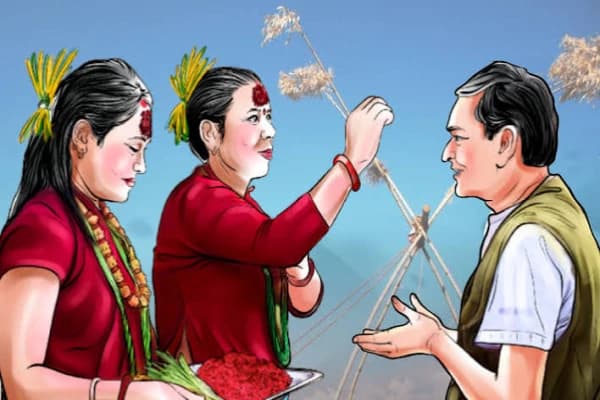
Another special attraction of this season is the opportunity to experience Nepal's major festivals. Dashain and Tihar, two of Nepal's biggest celebrations, usually fall during autumn, allowing visitors to witness traditional rituals, local lifestyles, and cultural activities in mountain communities.
Because autumn offers the best combination of weather, scenery, and trail conditions, it attracts a large number of international trekkers. Popular teahouses and trekking routes can become crowded during peak months, so advance planning is recommended, especially for well-known routes.
For travelers looking for reliable weather, breathtaking Himalayan views, and a classic trekking experience, autumn remains one of the top choices. The combination of comfortable temperatures, beautiful landscapes, and vibrant mountain culture makes this season a memorable time to discover Nepal's Himalayas.
Winter Trekking in Nepal (December–February)
Winter brings a completely different atmosphere to the Himalayas, with peaceful trails, fewer trekkers, and beautiful snow-covered landscapes. Although temperatures drop significantly at higher elevations, this season can be a wonderful choice for travelers who enjoy quiet surroundings and clear mountain scenery.
The winter trekking in Nepal season is suitable for lower and mid-altitude trekking routes where conditions remain manageable. During December and early January, many high-altitude areas become extremely cold, and some mountain passes may receive heavy snowfall. However, destinations such as Ghorepani Poon Hill, Mardi Himal, Langtang Valley, and lower Annapurna trails remain attractive options for winter adventures.
One of the biggest advantages of winter trekking is the peaceful experience it provides. Compared to the busy spring and autumn seasons, trails are much quieter, allowing trekkers to enjoy nature, local villages, and Himalayan views with fewer crowds. The clear winter air also often creates excellent visibility, especially during mornings.
Cold temperatures are the main challenge during this season. Nights and early mornings at higher elevations can become freezing, so proper preparation with warm clothing, sleeping gear, and suitable trekking equipment is essential. Trekkers attempting high-altitude routes should also check trail conditions carefully before departure.
Winter landscapes offer a unique beauty that cannot be experienced during other seasons. Snow-covered mountains, frozen streams, and quiet villages create a peaceful Himalayan atmosphere that many adventure lovers find unforgettable.
For travelers who prefer solitude, crisp mountain views, and a more peaceful trekking experience, winter can be an excellent time to explore Nepal. With proper preparation and the right trekking route, the colder months can provide some of the most rewarding moments in the Himalayas.
Month-by-Month Trekking Guide in Nepal
Nepal offers trekking opportunities throughout the year, but every month brings different weather conditions, landscapes, and experiences. Understanding the characteristics of each month helps travelers choose the right destination according to their comfort level, trekking goals, and preferred scenery.
January
January is one of the coldest months in Nepal, especially at higher elevations. The skies are often clear, offering excellent mountain views, but heavy snowfall can make some high passes difficult or temporarily closed. Lower-altitude treks remain enjoyable for those who prefer peaceful trails and fewer visitors.
February
February marks the transition from winter toward spring. The weather gradually becomes warmer, although mornings and nights remain cold in mountain areas. It is a good month for lower and mid-altitude treks, while high-altitude routes require proper preparation.
March
March is the beginning of the spring trekking season and brings improving weather conditions across Nepal. Temperatures become comfortable, flowers begin blooming, and mountain views become more attractive. It is an excellent month for many popular trekking routes.
April
April is one of the most beautiful months for trekking because the hills are covered with blooming rhododendrons and fresh greenery. The weather is generally stable, making it a popular period for Everest, Annapurna, Langtang, and other major trekking regions.
May
May continues the spring season, with warmer temperatures and longer daylight hours. While lower areas can become warmer, higher regions remain suitable for trekking. Early May is especially favorable before the arrival of the monsoon season.
June
June marks the beginning of the monsoon period in most parts of Nepal. Rainfall increases in lower regions, making some trails wet and slippery. However, rain-shadow areas like Upper Mustang remain suitable for trekking during this month.
July
July receives heavy monsoon rainfall across many trekking areas. Popular routes may experience cloudy weather, muddy trails, and limited mountain views. However, remote regions located beyond the Himalayan rain shadow continue to offer unique trekking experiences.
August
August remains part of the monsoon season, with frequent rainfall in many parts of Nepal. Although it is not ideal for most classic treks, destinations like Upper Mustang and Upper Dolpo provide excellent alternatives with dry landscapes and fewer crowds.
September
September marks the beginning of the autumn trekking season as rainfall decreases and the weather starts improving. The landscapes remain green after the monsoon, while mountain views gradually become clearer. Late September is usually a good time to begin major trekking adventures.
October
October is one of the most popular trekking months in Nepal because it offers stable weather, clear skies, and excellent Himalayan visibility. Comfortable temperatures and dry trails make it ideal for almost all major trekking routes.
November
November continues the excellent autumn conditions, with clear mountain views and pleasant trekking temperatures. As winter approaches, mornings and evenings become colder, especially at higher elevations, but trekking conditions remain highly favorable.
December
December brings the beginning of winter, with colder temperatures and fewer trekkers on the trails. Lower-altitude routes remain comfortable, while high-altitude trekking requires additional preparation due to freezing temperatures and possible snowfall.
Best Time for Nepal's Most Popular Treks
Nepal is home to some of the world's most famous trekking routes, and each destination has its own ideal season depending on altitude, weather patterns, and trail conditions. Although most trekking regions are accessible throughout the year, choosing the right period can improve your experience with better views, comfortable temperatures, and safer walking conditions.
The best time for trekking in Nepal varies according to the region you plan to visit. High-altitude routes like Everest Base Camp and Manaslu Circuit are highly influenced by snowfall and mountain weather, while lower-altitude trails such as Ghorepani Poon Hill remain accessible in more seasons.
Essential Tips for Choosing the Right Trekking Season
Choosing the right season is one of the most important parts of planning a successful Himalayan adventure. Although Nepal offers trekking opportunities throughout the year, the ideal time depends on your experience level, destination, preparation, and personal expectations. A well-planned trek allows you to enjoy the mountains comfortably while reducing the chances of facing unexpected difficulties.
Before selecting your trekking month, consider your fitness level and trekking experience. Beginners often prefer seasons with stable weather and comfortable temperatures because clear trails and predictable conditions make the journey easier. Experienced trekkers who are prepared for challenging environments may choose less crowded periods or more remote routes.
Your packing preparation should also match the season you choose. During colder months, warm layers, sleeping equipment, and proper insulation become essential, especially for high-altitude trekking. On the other hand, monsoon trekking requires waterproof clothing, rain covers, and suitable footwear to handle wet and slippery trails.
Altitude is another important factor when planning your trek. Higher regions such as Everest Base Camp, Manaslu Circuit, and Annapurna Circuit experience rapid weather changes compared to lower trekking areas. Choosing a suitable season helps reduce challenges related to extreme cold, snowfall, and difficult trail conditions.
It is also important to plan your permits, transportation, and accommodation in advance, especially during popular trekking periods. During peak seasons, flights to mountain regions and teahouse accommodations can become busy because many travelers visit Nepal at the same time.
Travel insurance is another essential consideration for Himalayan trekking. A good insurance plan that covers high-altitude trekking, emergency evacuation, and medical support provides extra security during your journey. Although preparation cannot control mountain weather, it helps you handle unexpected situations more confidently.
Finally, choosing a reliable trekking partner can make your experience smoother and safer. Professional guidance, proper itinerary planning, and local knowledge help you enjoy Nepal's mountains while focusing on the adventure rather than logistical concerns.
Why Choose Himalayan Vista for Your Nepal Trekking Adventure
Choosing the right trekking company can make a big difference in your Himalayan journey. Nepal trekking involves careful planning, proper route selection, experienced guidance, and local knowledge to ensure a safe and enjoyable experience. A professional trekking partner helps you focus on the beauty of the mountains while managing important details such as transportation, accommodation, permits, and itinerary planning.
Himalayan Vista provides carefully designed trekking experiences that combine adventure, comfort, and authentic local experiences. With deep knowledge of Nepal's trekking regions, the team helps travelers choose the right route and season according to their interests, fitness level, and travel expectations.
Every trek is planned with attention to detail, from selecting suitable trails to arranging experienced guides and necessary support. Whether you are a first-time trekker or an experienced adventurer looking for a challenging Himalayan route, Himalayan Vista focuses on providing a smooth and memorable journey.
Safety and customer satisfaction remain important priorities throughout every adventure. Proper preparation, realistic itineraries, and professional support allow trekkers to enjoy Nepal's mountains with confidence while experiencing local cultures, traditional villages, and breathtaking landscapes.
With Himalayan Vista, your trekking experience becomes more than just reaching a destination. It becomes an opportunity to connect with the Himalayas, explore Nepal's hidden beauty, and create unforgettable memories along the way.
Conclusion
Nepal offers incredible trekking opportunities throughout the year, but choosing the right season can greatly improve your overall Himalayan experience. Each season brings something different, from the colorful landscapes of spring and the clear mountain views of autumn to the peaceful trails of winter and the unique landscapes of monsoon-friendly regions.
For most travelers, autumn and spring remain the most recommended periods because they provide stable weather, comfortable temperatures, and excellent visibility of the Himalayan peaks. However, the ideal trekking season ultimately depends on your chosen route, personal preferences, and the type of adventure you want to experience.
Whether you are dreaming of standing near Everest Base Camp, exploring the Annapurna region, discovering remote Himalayan villages, or enjoying a peaceful trail away from crowds, proper seasonal planning is the key to a successful journey.
With the right preparation, suitable equipment, and a well-planned itinerary, trekking in Nepal can become one of the most unforgettable experiences of your life. Choose your season wisely, prepare for the adventure, and get ready to discover the incredible beauty of the Himalayas with Himalayan Vista.
FAQs
1. What is the best time for trekking in Nepal?
The best time for trekking in Nepal is generally during autumn (September to November) and spring (March to May). These seasons offer stable weather, comfortable temperatures, clear mountain views, and excellent trail conditions for most popular trekking routes.
2. Is October the best month for trekking in Nepal?
Yes, October is considered one of the best months for trekking because the skies are usually clear after the monsoon, providing spectacular Himalayan views. The trails are dry, temperatures are comfortable, and conditions are suitable for both beginners and experienced trekkers.
3. Can I trek in Nepal during the monsoon season?
Yes, trekking is possible during the monsoon season, but choosing the right destination is important. While many popular routes receive heavy rainfall, rain-shadow regions such as Upper Mustang and Upper Dolpo remain excellent options because they receive much less rain.
4. Which season has the clearest mountain views in Nepal?
Autumn usually provides the clearest mountain views because the monsoon removes dust and pollution from the atmosphere. Spring also offers excellent visibility, especially during early mornings when the skies are generally clear.
5. Is winter trekking in Nepal safe?
Winter trekking can be safe with proper preparation and the right route selection. Lower-altitude treks are comfortable during winter, while high-altitude routes require extra care because of freezing temperatures, snowfall, and possible trail closures.
6. What is the cheapest season for trekking in Nepal?
The off-season periods, especially monsoon and winter, are usually more budget-friendly because there are fewer trekkers. Accommodation availability is higher, and some trekking services may offer more flexible pricing during quieter months.
7. Which season is best for Everest Base Camp Trek?
The ideal seasons for Everest Base Camp Trek are spring and autumn. During these periods, trekkers can enjoy better weather conditions, clearer mountain views, and safer trekking conditions around the Everest region.
8. Which month is best for Annapurna Base Camp Trek?
March, April, October, and November are among the best months for Annapurna Base Camp Trek. These months provide comfortable temperatures, beautiful landscapes, and excellent views of Annapurna, Machhapuchhre, and surrounding peaks.
9. Can beginners trek in Nepal?
Yes, beginners can trek in Nepal by choosing suitable routes and seasons. Shorter and lower-altitude treks such as Ghorepani Poon Hill, Mardi Himal, and Langtang Valley are excellent options for first-time trekkers.
10. Which season has fewer crowds in Nepal trekking trails?
Winter and monsoon seasons generally have fewer trekkers compared to spring and autumn. Travelers who prefer peaceful trails and a quieter mountain experience often choose these periods.
11. Do I need different trekking equipment for different seasons?
Yes, trekking equipment should be adjusted according to the season. Winter requires warmer clothing and better insulation, while monsoon trekking needs waterproof gear and suitable protection against rain.
12. Is trekking possible in Nepal throughout the year?
Yes, trekking is possible throughout the year because Nepal has diverse geographical regions. Even when some areas become challenging due to weather, other regions remain suitable for trekking.
13. When is the best time for photography during trekking?
Spring and autumn are excellent seasons for photography because of clear skies, colorful landscapes, and impressive Himalayan views. Spring is especially beautiful for flower photography, while autumn offers sharp mountain panoramas.
14. Which trekking season is best for high-altitude passes?
Spring and autumn are the safest periods for crossing high-altitude passes because weather conditions are more stable. Routes like Thorong La Pass and Larkya La Pass are more accessible during these seasons.
15. Should I book my trek early during peak seasons?
Yes, booking early is recommended during spring and autumn because these are the busiest trekking periods. Early planning helps secure preferred accommodations, flights, guides, and permits.