.webp&w=3840&q=75&dpl=dpl_835fhgRtGnzFwCSpZPGz3qwExnaY)
Nepal is a land of diverse cultures, ancient traditions, and colorful celebrations that showcase the deep connection between people and their heritage. Among these important celebrations, the Teej Festival in Nepal is one of the most meaningful festivals, especially for Hindu women. This festival represents devotion, happiness, family relationships, and cultural values that have been followed for generations. During Teej, the entire country becomes lively with women wearing beautiful red clothes, visiting temples, singing traditional songs, and gathering with their loved ones. Although the festival has religious importance, it also represents the strength, unity, and cultural identity of Nepali women.
The Teej Festival in Nepal is celebrated mainly by married and unmarried women who observe special rituals and prayers dedicated to Goddess Parvati and Lord Shiva. According to Hindu belief, Goddess Parvati’s devotion and dedication helped her unite with Lord Shiva, and women follow this tradition by praying for happiness, prosperity, and the well-being of their families. Moreover, unmarried women participate in Teej hoping for a good future partner, while married women pray for the health and long life of their husbands. Because of these beliefs, Teej has remained an important part of Nepal’s religious and cultural lifestyle.
The Teej Festival in Nepal usually takes place during the month of Bhadra, which falls around August or September in the Gregorian calendar. The festival begins with Dar Khane Din, a special day when women gather with family members and friends to enjoy traditional food, music, and celebrations before starting their fast. The following day is the main fasting day, where many women visit temples and offer prayers. Although some women follow strict fasting traditions, others celebrate according to their personal beliefs and health conditions, making the festival meaningful in different ways.
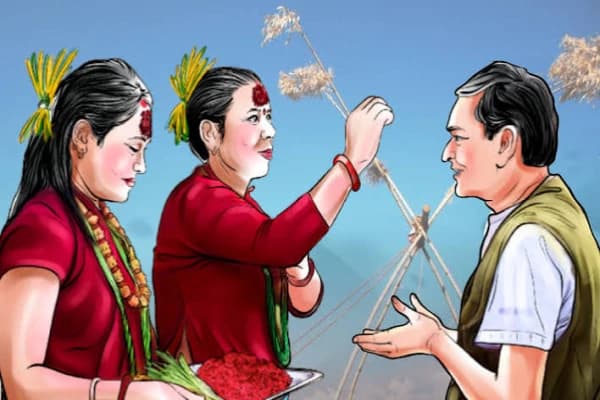
One of the most attractive parts of the Teej Festival in Nepal is the colorful appearance of women dressed in red sarees, traditional ornaments, and beautiful accessories. Red is considered an important color in Nepali culture because it represents love, energy, happiness, and marital prosperity. Likewise, women decorate their hands with beautiful mehndi designs and wear traditional jewelry to celebrate the occasion. As a result, streets, temples, and public areas often become filled with bright colors and joyful cultural activities, creating a memorable experience for both locals and visitors.
The Teej Festival in Nepal is also famous for traditional songs and dances that express the feelings, experiences, and emotions of women. During the celebration, groups of women gather in open spaces, homes, and community areas to sing Teej songs and dance together. These songs often share stories about family, relationships, social experiences, and everyday life. Furthermore, these cultural performances help preserve Nepal’s traditional music and allow younger generations to learn about their heritage.
The Teej Festival in Nepal can be experienced beautifully in different parts of Kathmandu Valley, especially around important temples and cultural areas. The famous Pashupatinath Temple becomes one of the busiest places during Teej, where thousands of women gather to offer prayers and participate in religious activities. Besides Kathmandu, many villages and towns across Nepal also celebrate Teej with their own local traditions, making each experience unique. Therefore, travelers visiting Nepal during this period can witness an authentic glimpse of Nepali culture and community life, so people from around the world take the festival Tour in Nepal too.
The Teej Festival in Nepal provides an excellent opportunity for cultural travelers who want to explore Nepal beyond mountains and trekking trails. Although Nepal is widely known for its Himalayan adventures, its festivals offer another beautiful way to understand the country’s traditions and people. Visitors can enjoy photography, observe traditional clothing, explore local communities, and experience the warm hospitality of Nepali people during this special celebration. Moreover, participating respectfully in cultural events helps travelers create meaningful memories during their Nepal journey.
History and Significance of Haritalika Teej in Nepal
The Teej Festival in Nepal has a long history connected with Hindu mythology, especially the story of Goddess Parvati and Lord Shiva. According to traditional beliefs, Goddess Parvati performed deep meditation and devotion for many years to marry Lord Shiva. Her dedication and determination are believed to be the reason behind their divine union. Therefore, Hindu women celebrate Haritalika Teej by remembering Goddess Parvati’s devotion and seeking blessings for happiness, prosperity, and family well-being.
The Teej Festival in Nepal is also known as Haritalika Teej, which carries a special religious meaning among Hindu communities. The word “Haritalika” comes from Sanskrit terms related to the story of Goddess Parvati being taken away by her friends so that she could continue her devotion toward Lord Shiva. Although the stories are based on ancient beliefs, the festival has continued through generations because it represents love, dedication, patience, and strong faith.
The Teej Festival in Nepal holds great importance because it connects religious traditions with social values. In the past, Teej was mainly focused on prayers and fasting, but today it has developed into a wider cultural celebration where women gather, share happiness, and express their feelings through songs and dances. Moreover, the festival provides a special opportunity for women to reconnect with family members, friends, and communities, especially after busy daily routines.
The Teej Festival in Nepal also reflects the importance of cultural preservation in Nepali society. Traditional rituals, folk songs, clothing styles, and temple visits during Teej help maintain the connection between older and younger generations. Although modernization has changed many aspects of life, people continue to celebrate Teej because it carries emotional and cultural values that remain important in Nepalese communities.
The Teej Festival in Nepal has also become a symbol of women’s participation and cultural expression. During the celebration, women come together to share their experiences, happiness, and challenges through traditional songs. These songs often describe personal stories, family relationships, and social topics, making Teej not only a religious festival but also a way of communication and expression. As a result, the festival has a deeper meaning beyond fasting and prayers.
For travelers interested in understanding Nepal’s heritage, the Teej Festival in Nepal offers a chance to observe centuries-old traditions and experience the emotional side of Nepali culture. Although every region may celebrate the festival slightly differently, the main values of devotion, unity, and respect remain the same. Experiencing Teej allows visitors to see how festivals continue to connect Nepal’s past with its present lifestyle.
How is Teej Festival Celebrated in Nepal?
The Teej Festival in Nepal is celebrated with great excitement, devotion, and cultural enthusiasm across the country. During this festival, women gather with their family members, relatives, and friends to participate in various traditional activities. Although the celebration is based on religious beliefs, it has also become a joyful social event where people share happiness and strengthen their relationships. From colorful clothing to traditional music and temple visits, every part of Teej reflects the beauty of Nepali culture.
The Teej begins with Dar Khane Din, which is considered one of the most enjoyable parts of the celebration. On this day, women gather together and enjoy a special feast before starting their fasting rituals. Families prepare traditional foods, and women spend time singing, dancing, and sharing memorable moments with each other. Moreover, this gathering creates a strong feeling of unity because relatives and friends who may not meet regularly come together to celebrate.
This continues with the main fasting day, when many women visit temples and offer prayers to Lord Shiva and Goddess Parvati. Many devotees wear red sarees, decorate their hands with mehndi, and carry offerings while visiting holy places. The famous Pashupatinath Temple in Kathmandu attracts thousands of women during this time because it is considered one of the most important religious sites for Hindu devotees. Although fasting is an important tradition, many people now celebrate Teej according to their own beliefs and personal comfort.
Teej is also recognized for its beautiful traditional songs and dances. Women gather in groups and sing Teej songs that share stories about family, marriage, emotions, and social life. These songs are not only a form of entertainment but also a way to pass cultural knowledge from one generation to another. Furthermore, dancing together creates a cheerful environment where women can express their happiness and enjoy the festival freely.
The Teej brings a unique atmosphere to streets, temples, and local communities. Markets become colorful with traditional clothes, jewelry, and festival items, while many public areas organize cultural programs and gatherings. Although Kathmandu Valley experiences some of the largest celebrations, smaller towns and villages also celebrate Teej with their own local traditions. Therefore, visitors traveling during this period can experience different styles of celebration throughout Nepal.
Teej is not limited to religious activities because it has become an important part of Nepal’s cultural tourism. Travelers who visit during Teej can observe traditional lifestyles, interact with local communities, and learn about Nepal’s customs. However, visitors should always respect local traditions while joining or observing celebrations. With its vibrant colors, meaningful rituals, and welcoming atmosphere, Teej provides a memorable cultural experience for anyone exploring Nepal.
Major Rituals and Traditions During Teej Festival
The Teej festival is celebrated through various rituals and traditions that reflect the religious beliefs and cultural values of Nepali society. Each activity during this festival carries a special meaning, from preparing traditional meals to visiting temples and offering prayers. Although the way of celebration may differ slightly between communities, the main purpose remains the same: showing devotion, maintaining traditions, and bringing people together. These rituals have been followed for generations and continue to hold an important place in Nepalese culture.
One of the most important traditions of Teej in Nepal is the celebration of Dar Khane Din, which takes place before the main fasting day. On this occasion, women gather with their mothers, sisters, relatives, and friends to enjoy a special meal. Traditional foods are prepared, and the evening is filled with singing, dancing, and joyful conversations. Moreover, this day creates a special opportunity for women to relax, reconnect with loved ones, and celebrate together before beginning their religious practices.
The fasting ritual is another significant part of Haritalika Teej, where many women observe a fast and dedicate prayers to Lord Shiva and Goddess Parvati. According to religious beliefs, fasting represents devotion, purity, and dedication. Many women visit temples early in the morning, offer flowers, fruits, and other religious items, and pray for family happiness and prosperity. However, in modern times, people often follow this tradition according to their personal choices and physical comfort.
Nepal during Teej becomes especially lively as women prepare themselves with traditional clothing, jewelry, and decorations. Wearing red clothes is considered an important tradition because the color represents love, energy, happiness, and marital prosperity. Women also apply mehndi on their hands and wear ornaments that add beauty to the celebration. Besides religious activities, these traditional appearances have become a symbol of cultural pride and make Teej visually attractive for both locals and visitors.
Another important tradition of Teej celebration is singing and dancing to traditional folk songs. These songs often describe women’s emotions, family relationships, personal experiences, and different aspects of social life. In the past, Teej songs were mainly passed orally from one generation to another, but today they continue through cultural programs and community gatherings. Therefore, these performances play an important role in protecting Nepal’s traditional music and cultural identity.
The final ritual associated with Teej festival includes Rishi Panchami, which is observed after the main celebration. On this day, women perform special prayers and rituals dedicated to the seven sages of Hindu tradition. Many devotees visit rivers, ponds, or holy places for purification rituals according to their beliefs. Although these practices are deeply connected with religious traditions, they also represent the importance of discipline, respect, and spiritual connection in Nepali culture.
The traditions followed during Teej in Nepal show how festivals can preserve history while bringing communities together. From colorful clothing and traditional songs to prayers and family gatherings, every activity represents a different aspect of Nepal’s cultural lifestyle. For travelers, observing these rituals provides a deeper understanding of Nepal’s traditions and allows them to experience the emotional connection people have with their festivals.
Best Places to Experience Teej Celebration in Nepal
The Teej celebration can be experienced in many parts of Nepal, where communities come together to follow traditional rituals, visit temples, and enjoy cultural activities. Although the festival is celebrated throughout the country, some places become especially popular because of their religious importance and large gatherings. From historic temples in Kathmandu Valley to traditional villages, each destination offers a unique opportunity to understand the cultural beauty of Nepal.
Kathmandu during Teej becomes one of the most exciting places to witness this colorful festival. The capital city is home to many important temples, cultural sites, and heritage areas where thousands of women gather for prayers and celebrations. The streets often become lively with women wearing red sarees, traditional jewelry, and singing Teej songs. Moreover, visitors can observe how ancient traditions continue alongside modern city life, creating a unique cultural atmosphere.
The famous Pashupatinath Temple is considered one of the most important places to experience Haritalika Teej in Nepal. Every year, a large number of devotees visit this sacred Hindu temple to offer prayers to Lord Shiva and Goddess Parvati. The surrounding area becomes filled with spiritual activities, traditional music, and colorful celebrations. Although the temple becomes very crowded during Teej, the atmosphere provides a meaningful insight into Nepal’s religious traditions.
Apart from Kathmandu, Teej in Nepal can also be experienced in different towns and villages where local communities celebrate the festival in their own traditional ways. Rural areas often provide a more authentic experience because celebrations are closely connected with local lifestyles and customs. Women gather in community spaces, sing traditional songs, and celebrate together with their families. Therefore, travelers who explore villages during this period can witness the deeper cultural side of Nepal.
The heritage areas of Kathmandu Valley are also wonderful places to observe Teej festival activities. Places such as old settlements, traditional courtyards, and local neighborhoods become attractive locations for cultural observation and photography. Visitors can see traditional clothing, local decorations, and community gatherings that represent Nepal’s rich cultural heritage. However, travelers should always ask for permission before photographing people or religious activities.
Nepal during Teej offers a special experience for cultural travelers who want to explore the country beyond famous trekking routes and natural attractions. The festival provides a chance to interact with local communities, learn about traditional beliefs, and understand the emotional importance of festivals in Nepali life. Moreover, experiencing Teej with respect and curiosity allows visitors to create unforgettable memories while discovering Nepal’s living culture.
For travelers planning a cultural journey, choosing the right time to visit Nepal can make the experience even more special. Teej celebration in Nepal shows the harmony between tradition, spirituality, and community connection. Whether experienced in a busy city temple or a peaceful village setting, this festival provides a beautiful glimpse into the customs and values that make Nepal culturally unique.
Why Teej Festival is Important for Travelers Visiting Nepal
The Teej festival offers travelers a wonderful opportunity to explore the cultural and traditional side of Nepal beyond its famous mountains, trekking routes, and natural landscapes. While many visitors come to Nepal for adventure activities, experiencing local festivals provides a deeper understanding of the country’s lifestyle and beliefs. During Teej, travelers can observe traditional rituals, colorful clothing, cultural performances, and community gatherings that reflect the true spirit of Nepali society.
Teej in Nepal allows visitors to witness the strong connection between religion, culture, and daily life. Festivals in Nepal are not limited to religious activities because they also bring communities together and preserve historical traditions. By observing Teej celebrations, travelers can learn how ancient customs continue to influence modern Nepali life. Moreover, the warm participation of local people creates a welcoming environment where visitors can experience genuine cultural hospitality.
One of the most attractive aspects of experiencing Nepal during Teej is the opportunity for photography and cultural exploration. The bright red dresses, traditional ornaments, decorated temples, and joyful gatherings create many memorable moments for photographers and culture enthusiasts. However, visitors should always respect local customs and ask for permission before capturing personal or religious moments. When approached respectfully, Teej provides incredible opportunities to document Nepal’s colorful traditions.
The Teej celebration also gives travelers a chance to understand the importance of women’s traditions and social connections in Nepalese communities. Women gather together, share stories, sing traditional songs, and celebrate their cultural identity through different activities. These gatherings show the importance of family relationships, friendship, and community bonding. Therefore, travelers can gain a more personal understanding of Nepal by observing the emotions and values connected with this festival.
Haritalika Teej in Nepal is especially meaningful for those interested in cultural tourism because it represents centuries-old beliefs that are still actively practiced today. Unlike a simple event that can be viewed from a distance, Teej allows visitors to see living traditions in action. From temple visits to local celebrations, every part of the festival tells a story about Nepal’s history, spirituality, and social values.
For international travelers, joining a cultural experience during Teej festival can make their Nepal journey more memorable and meaningful. Although Nepal is globally recognized for Himalayan adventures, its festivals reveal another beautiful side of the country. Experiencing Teej respectfully helps visitors connect with local communities and understand the traditions that make Nepal a culturally rich destination.
Why Choose Himalayan Vista for Cultural Experiences in Nepal
Exploring Nepal through its festivals, traditions, and local communities allows travelers to discover a side of the country that goes beyond popular tourist destinations. While mountain adventures are a major attraction, cultural experiences such as Teej in Nepal provide a deeper connection with local lifestyles, beliefs, and traditions. A well-planned cultural journey helps visitors experience festivals comfortably while understanding their historical and social importance.
Nepal during Teej offers a unique opportunity to observe authentic celebrations, but having proper guidance can make the experience more meaningful. From selecting the best locations to understanding local customs, experienced travel support helps visitors enjoy the festival respectfully and smoothly. Moreover, knowledgeable guides can share valuable information about traditions, religious practices, and the cultural stories behind each celebration.
Himalayan Vista focuses on creating memorable travel experiences by connecting visitors with Nepal’s natural beauty, heritage, and local culture. With proper planning, travelers can explore traditional festivals, heritage sites, and community experiences while enjoying a comfortable journey throughout Nepal. The team helps travelers discover the authentic charm of Nepal by combining cultural understanding with well-organized travel services.
Experiencing the Teej festival with local insights allows visitors to appreciate the emotions and traditions behind the celebration. Although festivals may look colorful from the outside, understanding their meaning creates a more respectful and memorable experience. Therefore, choosing the right travel partner helps travelers enjoy Nepal’s cultural celebrations while creating meaningful connections with local communities.
Conclusion
The Teej festival is one of the most meaningful and colorful celebrations in Nepal, representing devotion, cultural heritage, family connection, and the strong bond between communities. From the joyful gathering of women during Dar Khane Din to temple visits, traditional fasting practices, singing, and dancing, every activity during Teej carries a special cultural value. Although the festival is deeply connected with Hindu beliefs and the story of Goddess Parvati and Lord Shiva, it has grown into a wider celebration of togetherness, happiness, and Nepal’s unique traditions.
Teej in Nepal provides travelers with a wonderful opportunity to explore the country from a different perspective. While Nepal is widely known for its mountains, trekking routes, and adventure activities, festivals like Teej reveal the emotional and cultural beauty of Nepali society. Visitors who travel during this period can observe traditional lifestyles, experience local celebrations, and understand how festivals continue to connect people with their history and beliefs. Moreover, the colorful environment created by traditional clothing, music, and community gatherings makes the experience truly unforgettable.
Nepal during Teej showcases the perfect combination of spirituality, tradition, and social connection. From the busy streets of Kathmandu Valley to peaceful villages in different parts of the country, the celebration reflects the diversity of Nepal’s cultural identity. Women gathering together, sharing happiness, and performing traditional songs create an atmosphere filled with positivity and cultural pride. Therefore, Teej is not only a religious festival but also a reflection of Nepal’s living heritage that continues to inspire new generations.
The beauty of Haritalika Teej in Nepal lies in its ability to preserve ancient traditions while adapting to changing times. Although modern lifestyles have influenced the way people celebrate festivals, the main values of faith, respect, family bonding, and community unity remain unchanged. The younger generation continues to participate in Teej celebrations, helping protect traditional songs, customs, and rituals that have been passed down for centuries.
For cultural travelers, experiencing Teej celebrations in Nepal can become a memorable part of their journey. Unlike ordinary sightseeing experiences, participating in or observing a traditional festival allows visitors to create a deeper connection with local people and their way of life. Through respectful observation, travelers can learn about Nepal’s customs, enjoy authentic cultural moments, and gain a better understanding of the values that shape Nepali communities.
Whether exploring ancient temples, walking through heritage areas, or visiting local neighborhoods, travelers can find unique experiences during the Teej festival. The combination of devotion, music, colors, and human connection makes this celebration one of the most special cultural events in Nepal. It reminds visitors that Nepal is not only a destination of natural wonders but also a country rich in traditions, stories, and unforgettable cultural experiences.
By planning a visit during Teej in Nepal, travelers can witness a festival that represents the heart and soul of Nepali culture. With respect for local customs and an open interest in learning, this celebration can leave lasting memories and a deeper appreciation for Nepal’s heritage. The traditions, emotions, and connections experienced during Teej continue to remain meaningful long after the journey ends, making it a truly special cultural experience.
FAQs
1. What is Teej Festival in Nepal?
Teej Festival in Nepal is a major Hindu cultural celebration mainly observed by women. It is dedicated to Goddess Parvati and Lord Shiva and represents devotion, happiness, family well-being, and traditional values. The festival includes fasting, prayers, traditional songs, dances, and gatherings with family and friends.
2. When is Teej celebrated in Nepal?
Teej is usually celebrated during the month of Bhadra according to the Nepali calendar, which generally falls in August or September. The exact date changes every year based on the lunar calendar.
3. Why do women celebrate Teej in Nepal?
Women celebrate Teej to pray for family happiness, prosperity, and the well-being of their loved ones. According to Hindu beliefs, the festival is connected with Goddess Parvati’s devotion and her union with Lord Shiva.
4. How many days is Teej celebrated in Nepal?
Traditionally, Teej celebration lasts for three main days. These include Dar Khane Din, the main fasting day, and Rishi Panchami, which is observed after the main festival.
5. What happens during Dar Khane Din?
Dar Khane Din is the first day of Teej when women gather with family members and friends to enjoy a special feast before fasting. They prepare traditional foods, sing songs, dance, and celebrate together.
6. Why do women wear red clothes during Teej?
Red is considered an important and auspicious color in Nepali culture. During Teej, women wear red sarees, jewelry, and accessories because the color represents love, energy, happiness, and marital prosperity.
7. Where is the best place to experience Teej in Nepal?
Kathmandu Valley is one of the best places to experience Teej because of its historic temples and large celebrations. The area around Pashupatinath Temple becomes especially vibrant as thousands of devotees gather for prayers and rituals.
8. Can tourists participate in Teej celebrations in Nepal?
Yes, tourists can observe and experience Teej celebrations in Nepal. However, visitors should respect local traditions, avoid disturbing religious activities, and ask permission before taking photographs of people or ceremonies.
9. Is fasting compulsory during Teej?
Fasting is a traditional part of Teej, but many women now follow the practice according to their personal beliefs and health conditions. The importance of the festival is based on devotion and cultural connection rather than only fasting.
10. What foods are eaten during Teej?
During Dar Khane Din, families prepare various traditional foods and special dishes. The food may vary by region, but it commonly includes delicious homemade meals prepared for family gatherings and celebrations.
11. What are Teej songs about?
Teej songs usually express emotions, family relationships, personal experiences, and social topics. These traditional songs are an important part of Nepali culture because they help preserve stories and feelings from one generation to another.
12. Is Teej only celebrated by married women?
No, both married and unmarried women participate in Teej celebrations. Married women often pray for family happiness and well-being, while unmarried women may participate with hopes for a happy future.
13. Why is Pashupatinath Temple important during Teej?
Pashupatinath Temple is one of the most important Hindu temples in Nepal and becomes a major attraction during Teej. Thousands of women visit the temple to offer prayers and participate in religious activities dedicated to Lord Shiva.
14. What makes Teej different from other festivals in Nepal?
Teej is unique because it combines religious devotion, women’s cultural expression, traditional music, and community bonding. The festival provides a special platform where women celebrate their identity and preserve cultural traditions.
15. Why should travelers experience Teej in Nepal?
Experiencing Teej in Nepal allows travelers to discover the country’s cultural side beyond trekking and adventure activities. The festival offers a chance to observe authentic traditions, interact with local communities, and understand the rich heritage of Nepal.