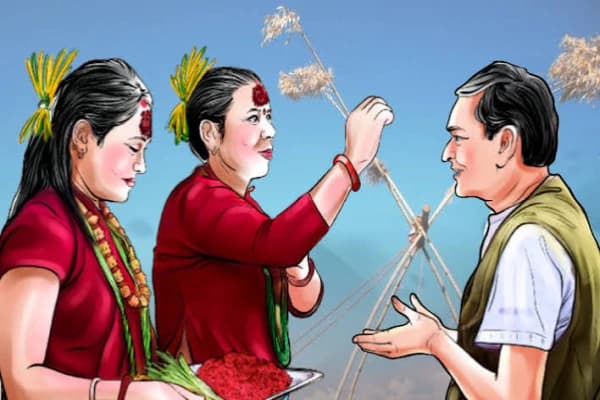
Nepal is a country where festivals bring people together through traditions, emotions, and cultural values. Among all the celebrations, Tihar Festival in Nepal is one of the most colorful and meaningful festivals, which fills homes, streets, and communities with lights, flowers, music, and happiness. Also known as the Festival of Lights in Nepal, Tihar represents the connection between humans, nature, animals, and spirituality.
During this beautiful celebration, families decorate their homes with oil lamps, colorful designs, and flower garlands because they believe it brings prosperity, peace, and good fortune. Although Tihar is mainly a religious festival, it has become a special cultural experience for travelers who want to understand the traditions and lifestyle of Nepal.
The five-day celebration includes the worship of crows, dogs, cows, and oxen, along with the special bond between brothers and sisters during Bhai Tika. Moreover, the lively Deusi Bhailo performances, traditional foods, and warm hospitality make this festival a memorable experience for visitors exploring Nepal.
Experiencing Tihar Festival in Nepal allows travelers to see the authentic side of Nepali culture beyond mountains and trekking routes. During this time, every corner of Nepal shines with positive energy, making it one of the best seasons to discover local traditions and celebrations.
What is Tihar Festival in Nepal?
Tihar Festival in Nepal is one of the most important Hindu festivals celebrated with great joy, devotion, and family gatherings. It is a five-day celebration that honors different forms of life, including animals, nature, and the relationship between family members. Because of its unique traditions and beautiful decorations, Tihar has become an important part of Nepal’s cultural identity.
The festival is celebrated during the autumn season, usually between October and November according to the lunar calendar. During this period, people clean and decorate their homes with flowers, lamps, and colorful patterns because they believe a clean and bright environment welcomes happiness and prosperity. The celebration also includes special prayers, traditional foods, and gatherings with loved ones.
The Nepal Cultural Festival of Tihar carries deep meaning because each day has its own importance and rituals. People worship crows as messengers, dogs as symbols of loyalty, cows as symbols of purity, and Goddess Laxmi as the goddess of wealth and prosperity. Similarly, the final day celebrates the strong bond between brothers and sisters through Bhai Tika.
Although Tihar has religious roots, it is enjoyed by people from different backgrounds because it represents respect, harmony, and togetherness. For travelers, experiencing this festival offers a wonderful opportunity to understand the traditions, lifestyle, and warm hospitality that make Nepal unique.
Why Tihar is Called the Festival of Lights in Nepal
The Festival of Lights in Nepal gets its name from the beautiful way people illuminate their homes, streets, and surroundings during Tihar. As evening arrives, families light traditional oil lamps called diyo, candles, and colorful electric lights to create a bright and welcoming atmosphere. These lights symbolize hope, positivity, happiness, and the victory of good over negativity.
The most special night of Tihar is Laxmi Puja in Nepal, when people worship Goddess Laxmi, the goddess of wealth and prosperity. During this evening, homes are carefully cleaned and decorated with flowers, lamps, and colorful rangoli designs. Many people create a pathway of lights from the entrance of their homes because they believe it guides prosperity and blessings inside.
Although the lighting tradition has religious importance, it also creates a joyful community environment where neighbors, friends, and families celebrate together. Streets become lively with decorations, music, and the sound of Deusi Bhailo songs. Moreover, the combination of traditional lamps and modern lights gives Nepal a magical appearance during this festival.
Visitors exploring Nepal during Tihar can experience a unique atmosphere filled with cultural beauty and local traditions. The glowing homes, flower decorations, and cheerful celebrations make Tihar one of the most visually attractive festivals in Nepal.
Five Days of Tihar Celebration in Nepal
The Tihar celebration is a five-day festival where each day has its own special meaning, rituals, and cultural importance. Unlike many festivals that focus on only one tradition, Tihar connects people with animals, nature, gods, and family relationships. During these five days, homes become lively with prayers, decorations, traditional foods, and joyful gatherings.
Day 1: Kaag Tihar
The first day of Tihar is known as Kaag Tihar, where people worship crows by offering food and prayers. In Nepali culture, crows are considered messengers who carry important messages. People believe that showing respect to crows helps keep away sadness and negative events.
Day 2: Kukur Tihar
The second day is dedicated to dogs, which are respected for their loyalty, friendship, and protective nature. During Kukur Tihar, people place flower garlands around dogs’ necks, apply tika on their foreheads, and offer delicious food. This tradition shows gratitude toward animals that have a close relationship with humans.
Day 3: Gai Tihar and Laxmi Puja
The third day is one of the most important days of Tihar. People worship cows as symbols of purity and prosperity, while in the evening they celebrate Laxmi Puja in Nepal. Families decorate their homes with lights, flowers, and lamps while praying for wealth, happiness, and good fortune.
Day 4: Goru Tihar and Mha Puja
The fourth day is celebrated differently among communities across Nepal. Many people worship oxen, which have traditionally helped farmers in agriculture. In the Newar community, Mha Puja is celebrated by worshipping oneself and appreciating life, health, and personal well-being.
Day 5: Bhai Tika
The final day of Tihar is Bhai Tika, which celebrates the special relationship between brothers and sisters. Sisters apply colorful tika on their brothers’ foreheads and wish them a long and successful life. Brothers also give gifts and promise to support their sisters, making this day a beautiful symbol of family love.
The five days of Tihar reflect Nepal’s deep respect for life, relationships, and traditions. Because every ritual carries a meaningful message, this festival provides travelers with a chance to experience the authentic cultural values of Nepal.
Traditional Activities During Tihar Festival
-
Deusi Bhailo Singing: Groups of people, especially young generations, visit homes in the evening and sing traditional Deusi Bhailo songs while sharing blessings and good wishes. Families welcome them with money, sweets, fruits, and festive food.
-
Decorating Homes with Lights and Flowers: People clean and decorate their houses with oil lamps (diyo), colorful lights, marigold flowers, and beautiful decorations to create a bright and welcoming atmosphere.
-
Making Rangoli Designs: Families create colorful rangoli patterns at entrances using flowers, colors, and other materials. These designs are believed to welcome positivity and prosperity during Tihar.
-
Preparing Traditional Foods: During Tihar, families prepare special dishes such as sel roti, sweets, fruits, and festive meals. Sharing homemade food with relatives and guests is an important part of the celebration.
-
Worshipping Animals: People show respect to animals during Tihar by worshipping crows, dogs, cows, and oxen. They offer food, apply tika, and decorate animals with flower garlands.
-
Exchanging Gifts and Blessings: Family members and friends exchange gifts, greetings, and good wishes to strengthen relationships and spread happiness.
-
Wearing Traditional Clothes: Many people wear traditional Nepali outfits during Tihar celebrations, especially while visiting relatives, attending cultural programs, and participating in rituals.
-
Family Gatherings: Relatives come together to enjoy meals, celebrate rituals, and spend quality time with each other during the festival.
-
Bhai Tika Celebration: Sisters prepare colorful tika, garlands, and gifts for their brothers while praying for their long life, success, and happiness.
-
Cultural Performances and Community Events: Local communities organize music, dance, and cultural programs that allow people to celebrate Tihar together and preserve traditional values.
What is Deusi Bhailo During Tihar?
Deusi Bhailo is one of the most popular traditional activities performed during the Tihar Festival in Nepal. It is a cultural singing tradition where groups of people visit homes, sing traditional songs, dance, and share blessings of happiness and prosperity with families.
Deusi is mainly performed by groups of boys or men, while Bhailo is traditionally performed by groups of girls or women. However, today both traditions are enjoyed by people of all ages and genders. During these performances, participants sing special Tihar songs, play musical instruments like madal, and create a joyful atmosphere in neighborhoods.
As part of this tradition, visitors go from house to house during the evening and perform Deusi Bhailo. In return, homeowners welcome them by offering money, fruits, sweets, and traditional foods as a gesture of appreciation. The collected amount is often used for community activities, celebrations, or social purposes.
The tradition of Deusi Bhailo helps strengthen relationships between neighbors, friends, and communities. Although it began as a cultural practice connected with blessings and celebrations, it has now become a symbol of unity, happiness, and togetherness during the Festival of Lights in Nepal. For travelers, witnessing Deusi Bhailo is a wonderful way to experience the lively and friendly spirit of Nepali culture.
Best Places to Experience Tihar Festival in Nepal
The Festival of Lights in Nepal can be experienced throughout the country, but some places offer a more authentic and memorable atmosphere because of their traditional celebrations and cultural heritage. During Tihar, cities and villages across Nepal become bright with lamps, flowers, music, and joyful gatherings, allowing visitors to witness the country’s unique traditions.
Kathmandu Valley is one of the best places to experience Tihar because it combines ancient culture with modern celebrations. Areas like Kathmandu, Bhaktapur, and Lalitpur are decorated beautifully with lights and flowers, while local communities organize Deusi Bhailo programs and traditional events. The old streets, temples, and historical areas create a special environment during the festival.
Bhaktapur is especially popular among visitors who want to observe traditional Newari culture. The ancient city’s brick streets, heritage buildings, and local celebrations provide a wonderful background for experiencing Tihar rituals. Similarly, Patan (Lalitpur) offers a rich cultural atmosphere with traditional music, art, and community gatherings.
Besides cities, rural villages are also excellent destinations to experience Tihar Festival in Nepal. In villages, travelers can see families celebrating in a more traditional way, including preparing homemade foods, decorating houses with natural flowers, and joining local cultural activities. The warm hospitality of village communities makes the experience even more meaningful.
Although Nepal’s famous trekking destinations are known for mountain adventures, visiting during Tihar provides a different perspective of the country. Experiencing local celebrations, meeting friendly people, and learning about traditions make this festival a memorable cultural journey.
Special Foods Prepared During Tihar Festival in Nepal
Food plays an important role in the Tihar Festival in Nepal, as families come together to prepare traditional dishes and share delicious meals with their loved ones. During this festival, kitchens become busy with homemade recipes, sweets, and special treats that represent happiness, celebration, and family bonding.
One of the most famous foods prepared during Tihar is Sel Roti, a traditional Nepali rice-flour bread with a crispy outside and soft texture inside. It is prepared especially during festivals and is commonly enjoyed with tea, vegetables, or other festive dishes. Along with Sel Roti, families also prepare various sweets and snacks to welcome guests and celebrate together.
Another popular food during Tihar is Anarsa, a sweet made from rice flour and sugar, which is especially enjoyed in many Nepali households. Similarly, sweets like laddu, barfi, and peda are often shared with family members, neighbors, and visitors during the celebration. These sweet dishes add more joy to the colorful atmosphere of the festival.
The Nepal Cultural Festival experience is also connected with traditional meals that vary between communities. In the Newar community, special dishes such as sama baji and other festive foods are prepared during celebrations. Families also prepare meat dishes, fruits, and homemade delicacies according to their traditions and preferences.
Although Tihar is known for its lights and rituals, food remains an important part of the celebration because it brings people closer. Sharing traditional meals, offering sweets, and enjoying family gatherings make the Festival of Lights in Nepal a complete cultural experience for both locals and visitors.
Best Time to Visit Nepal for Tihar Celebration
The best time to experience the Tihar Festival in Nepal is during the autumn season, which usually falls between October and November. This period is considered one of the most beautiful times to visit Nepal because the weather is pleasant, the skies are clear, and the surroundings are perfect for cultural tours, sightseeing, and Himalayan adventures.
Since Tihar follows the lunar calendar, the exact festival dates change every year. However, it is generally celebrated around the months of October or November. During this time, visitors can enjoy the lively atmosphere of decorated streets, glowing homes, traditional music, and local celebrations throughout Nepal.
The autumn season is also ideal for exploring Nepal beyond the festival. Travelers can combine their Nepal Cultural Festival experience with popular activities such as Kathmandu Valley sightseeing, village tours, mountain viewpoints, and trekking adventures. The comfortable temperatures and clear mountain views make outdoor exploration more enjoyable.
Although Tihar is celebrated across Nepal, the festival atmosphere is especially beautiful in traditional cities and local communities. Visiting during this period allows travelers to witness authentic customs while enjoying the natural beauty and cultural richness of Nepal.
Why Choose Himalayan Vista for Your Nepal Cultural Experience
Experiencing the Tihar Festival in Nepal becomes more meaningful when you travel with a team that understands local traditions, culture, and the importance of authentic experiences. A well-planned cultural journey allows visitors to explore Nepal beyond famous destinations by connecting with local communities, traditional celebrations, and unique festival moments.
Himalayan Vista helps travelers discover Nepal’s rich heritage through carefully designed travel experiences that combine comfort, local knowledge, and cultural exploration. Because every traveler has different interests, the team focuses on creating memorable journeys where visitors can enjoy festivals, historical places, local lifestyles, and natural beauty together.
During the Festival of Lights in Nepal, having proper guidance can make your experience smoother and more enjoyable. From arranging transportation and accommodations to suggesting the best places to witness celebrations, a professional travel partner helps you explore the festival atmosphere with confidence.
Whether you want to experience traditional rituals, explore ancient cities, or discover the warm hospitality of Nepalese communities, a cultural journey during Tihar offers unforgettable memories. With the right planning and support, your visit can become more than a holiday—it can become a meaningful connection with Nepal’s traditions and people.
Conclusion: Festival of Lights Tihar in Nepal
The Festival of Lights in Nepal is more than just a celebration with lamps and decorations; it is a festival that represents love, respect, harmony, and the strong connection between people and nature. From worshipping animals to celebrating the special bond between brothers and sisters, every tradition of Tihar carries a meaningful message.
The Tihar Festival in Nepal offers travelers a wonderful opportunity to experience the country’s rich culture, local lifestyle, and traditional values. During this time, homes shine with colorful lights, streets become lively with Deusi Bhailo songs, and families come together to share happiness and blessings.
Although Nepal is widely known for its mountains and adventure activities, experiencing its festivals provides a deeper understanding of the country’s heart and heritage. Visiting Nepal during Tihar allows you to witness authentic celebrations and create unforgettable memories with local communities.
If you are planning a journey to Nepal, experiencing Tihar can be a unique cultural adventure filled with warmth, traditions, and beautiful moments. This festival truly shows the beauty of Nepalese culture and the happiness that comes from unity and togetherness.
FAQs
1. What is Tihar Festival in Nepal?
Tihar is one of Nepal’s biggest Hindu festivals, celebrated for five days with lights, prayers, decorations, and family gatherings. It is also known as the Festival of Lights.
2. Why is Tihar called the Festival of Lights in Nepal?
Tihar is called the Festival of Lights because people decorate their homes with oil lamps, candles, and colorful lights, especially during Laxmi Puja.
3. When is Tihar celebrated in Nepal?
Tihar is usually celebrated between October and November, but the exact dates change every year according to the lunar calendar.
4. How many days is Tihar celebrated in Nepal?
Tihar is celebrated for five days, and each day has its own special rituals, including Kaag Tihar, Kukur Tihar, Laxmi Puja, and Bhai Tika.
5. What is the importance of Bhai Tika during Tihar?
Bhai Tika celebrates the special relationship between brothers and sisters. Sisters apply colorful tika and offer blessings for their brothers’ health and happiness.
6. What happens during Laxmi Puja in Nepal?
During Laxmi Puja, people worship Goddess Laxmi, decorate their homes with lights and flowers, and pray for prosperity and good fortune.
7. Why are animals worshipped during Tihar?
Animals such as crows, dogs, cows, and oxen are respected during Tihar because they are considered important parts of nature and human life.
8. Where is the best place to experience Tihar in Nepal?
Kathmandu Valley, Bhaktapur, Lalitpur, and traditional villages are some of the best places to experience the cultural beauty of Tihar.
9. Can tourists participate in Tihar celebrations?
Yes, tourists can enjoy Tihar celebrations by visiting local communities, observing traditions, and experiencing Nepalese culture respectfully.
10. What traditional activities are popular during Tihar?
Deusi Bhailo singing, rangoli decoration, lighting lamps, preparing special foods, and family gatherings are popular activities during Tihar.
11. What food is prepared during Tihar Festival?
Popular Tihar foods include sel roti, sweets, fruits, and various traditional Nepali dishes prepared for family gatherings and celebrations.
12. Is Tihar only celebrated by Hindus in Nepal?
Although Tihar has Hindu origins, many people from different communities participate in the celebrations because it represents happiness, respect, and cultural unity.
13. Is Tihar a good time to visit Nepal?
Yes, Tihar falls during the autumn season when Nepal has pleasant weather, clear skies, and excellent conditions for cultural tours and outdoor activities.
14. What should travelers know before visiting Nepal during Tihar?
Travelers should respect local customs, dress appropriately when visiting religious places, and understand that some businesses may have different operating hours during the festival.
15. How can visitors experience authentic Tihar traditions?
Visitors can experience authentic Tihar by exploring local neighborhoods, joining cultural activities, visiting heritage cities, and interacting respectfully with local communities.