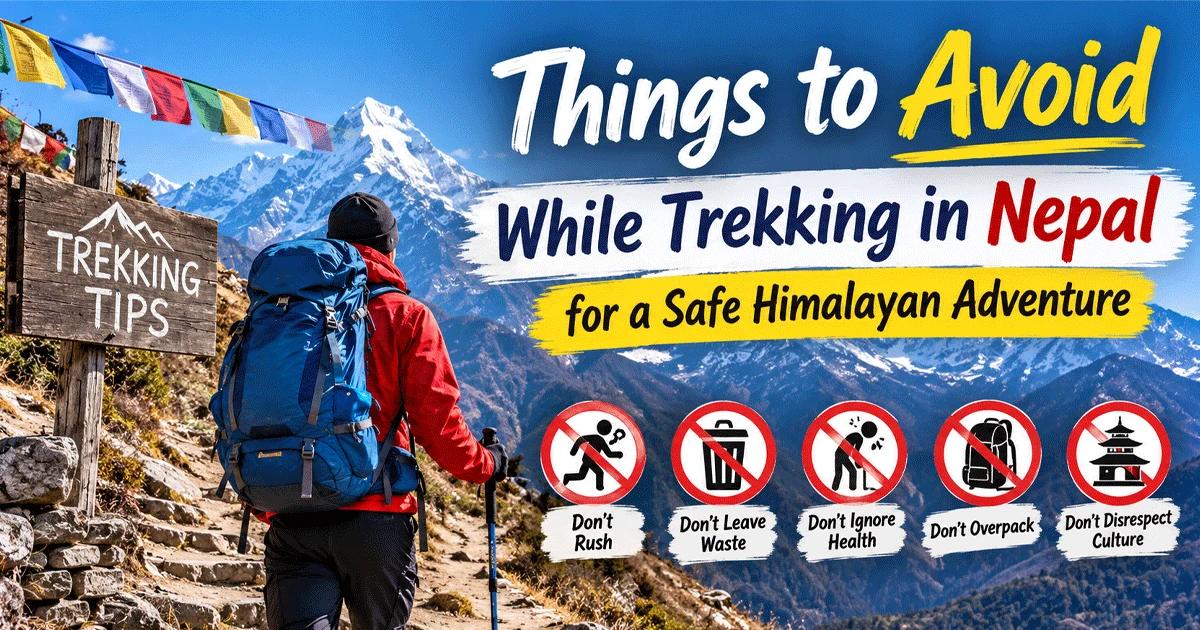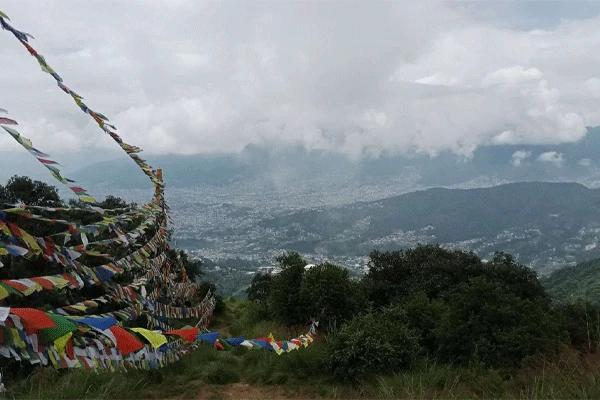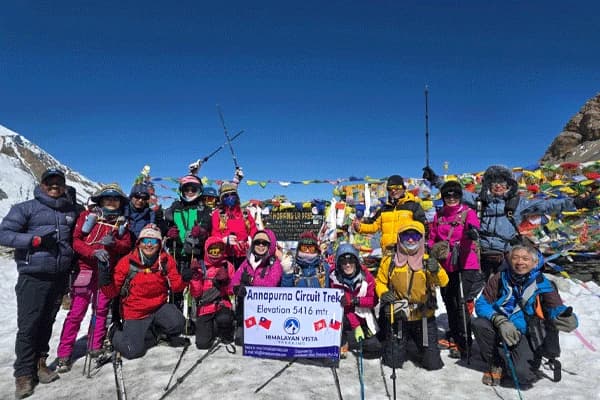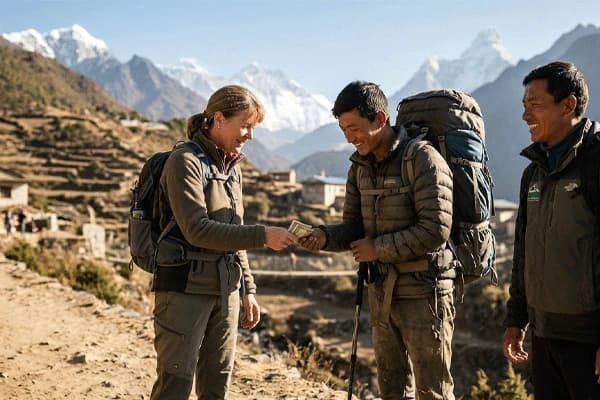
Have you ever wondered why some trekkers struggle during a beautiful Himalayan journey even after having a good fitness level? Trekking in Nepal is an unforgettable experience filled with mountain views, peaceful villages, and unique cultural moments, but small mistakes can create unexpected challenges along the way.
The Himalayan trails are different from regular hiking routes because they include high altitudes, changing weather, and long walking hours. Although the journey looks exciting, proper preparation and awareness are important to enjoy every step safely.
Many travelers focus only on reaching the destination, while they rarely pay attention to the small details that can affect their adventure. Understanding the things to avoid while trekking helps you stay comfortable, reduce risks, and make your Nepal trekking experience more enjoyable.
From carrying unnecessary weight to ignoring your body’s signals, several common mistakes can turn a dream trek into a difficult experience. Therefore, learning about these trekking mistakes in Nepal before starting your journey allows you to explore the Himalayas with more confidence and preparation.
Why Avoiding Trekking Mistakes Matters in Nepal
Trekking in Nepal is not only about walking through beautiful mountain landscapes; it is also about understanding the challenges that come with high-altitude environments. The Himalayas offer incredible experiences, although the trails can become demanding because of steep climbs, unpredictable weather, and changing oxygen levels.
Many trekkers underestimate these conditions because they compare mountain trekking with normal hiking. However, a small mistake such as walking too fast, ignoring rest, or carrying unnecessary items can affect your energy and overall journey.
Following proper Himalayan trekking tips helps travelers prepare their bodies and minds before entering remote mountain areas. Because most trekking routes pass through villages, forests, and high passes, being responsible and informed makes the adventure safer and more enjoyable.
Avoiding common mistakes also helps protect the natural beauty and local communities found along Nepal’s trekking trails. When trekkers respect the environment, follow local guidance, and prepare carefully, they can experience the true beauty of the Himalayas without unnecessary difficulties.
Things to Avoid While Trekking in Nepal
Avoid Rushing Your Trek
One of the most common mistakes trekkers make is walking too quickly without allowing their body to adjust to the trail conditions. Although reaching the destination early may feel exciting, rushing can lead to exhaustion and reduce your ability to enjoy the beautiful surroundings.
Himalayan trekking is about maintaining a steady rhythm and experiencing every moment of the journey. Walking slowly, taking short breaks, and enjoying the mountain views regularly help you save energy for longer trekking days.
Many high-altitude routes require patience because the body needs time to adapt to changing elevations. Therefore, avoiding a fast pace is one of the most important things to avoid while trekking for a comfortable and safe adventure.
Avoid Ignoring Acclimatization Days
Many trekkers make the mistake of gaining altitude too quickly without giving their bodies enough time to adjust. As you move higher into the Himalayas, the oxygen level gradually decreases, so proper acclimatization becomes an important part of a safe trekking journey.
Although experienced hikers may feel confident, altitude affects every person differently. Skipping acclimatization days can increase the chances of altitude-related problems and may force trekkers to change their plans.
Following a properly designed itinerary with enough rest and adjustment days helps your body adapt naturally to higher elevations. Therefore, respecting acclimatization is one of the most important Himalayan trekking tips for enjoying Nepal’s mountain trails safely.
Avoid Carrying Too Much Weight
Many trekkers think carrying extra items will make their journey easier, but an overloaded backpack can create more difficulties on the trail. Walking for several hours with a heavy bag can increase tiredness, slow your pace, and put extra pressure on your shoulders and legs.
Although it is important to carry essential trekking gear, packing unnecessary clothes, gadgets, or items that you rarely use only adds extra weight. A lightweight and well-organized backpack allows you to walk more comfortably, especially on steep Himalayan trails.
Before starting your trek, prepare your packing list carefully and focus on useful equipment, weather-appropriate clothing, and personal essentials. Avoiding an overloaded backpack is one of the common trekking mistakes in Nepal that can make your adventure more challenging than necessary.
Avoid Poor Physical Preparation
Many travelers believe that trekking is only about walking slowly through beautiful landscapes, but Himalayan trails require proper stamina and endurance. Long walking hours, steep climbs, and uneven paths can become challenging if your body is not prepared before the journey.
Although you do not need to be a professional athlete, regular walking, hiking practice, and basic strength exercises can improve your confidence on the trail. Starting physical preparation a few weeks before your trek helps your body handle longer distances and changing terrain.
Ignoring fitness preparation is one of the common trekking mistakes in Nepal because it can make an enjoyable journey feel unnecessarily difficult. Therefore, preparing your body in advance is an important part of having a safe and memorable Himalayan adventure.
Avoid Ignoring Weather Conditions
Mountain weather can change quickly, and ignoring these changes is one of the major mistakes trekkers make during a Himalayan journey. Although a trail may look clear and sunny in the morning, conditions can become cold, windy, or rainy within a short time.
Many trekking routes in Nepal pass through areas where temperatures drop significantly, especially at higher elevations. Therefore, checking weather conditions, carrying suitable clothing, and following local guidance can help you stay comfortable during unexpected changes.
Never underestimate the power of Himalayan weather because it can affect your safety and trekking schedule. Being prepared for different conditions is one of the most important Himalayan trekking tips that helps travelers enjoy their adventure with confidence.
Avoid Drinking Too Little Water
Many trekkers focus on reaching their destination and forget the importance of staying hydrated throughout the journey. Although the weather may feel cold in the mountains, your body still loses water through walking, breathing, and physical effort.
Dehydration can cause tiredness, headaches, and reduced energy, which can make trekking more difficult. Drinking water regularly and carrying a reusable bottle or hydration system helps your body perform better during long walking hours.
Proper hydration becomes even more important at higher elevations because the body works harder in lower oxygen environments. Therefore, maintaining enough fluid intake is one of the essential things to avoid while trekking for a safer and more comfortable Himalayan experience.
Avoid Using Wrong Trekking Gear
Choosing the right trekking gear plays an important role in making your Himalayan journey comfortable and safe. Many trekkers make the mistake of using unsuitable footwear, clothing, or equipment because they underestimate the challenges of mountain trails.
Although stylish or new gear may look attractive, comfort and performance should always be the priority. Wearing untested shoes can cause blisters, while improper clothing can make you uncomfortable during cold mornings and changing weather conditions.
Before starting your trek, check your equipment carefully and choose items according to the season, altitude, and route difficulty. Proper preparation with suitable gear is one of the most useful Himalayan trekking tips that helps you handle different trail conditions with confidence.
Avoid Disrespecting Local Culture and Traditions
Nepal’s trekking routes pass through many beautiful villages where local communities have their own traditions, lifestyles, and beliefs. Although travelers come to explore the mountains, it is equally important to respect the people and cultures they encounter along the way.
Many mountain communities warmly welcome trekkers, share their stories, and provide unique cultural experiences. However, taking photographs without permission, ignoring local customs, or behaving disrespectfully can create an uncomfortable situation for both visitors and residents.
Being a responsible traveler means respecting local values, communicating politely, and appreciating the simple mountain lifestyle. Following these practices not only improves your trekking experience but also supports meaningful connections with Himalayan communities.
Avoid Leaving Waste on the Trails
The beauty of Nepal’s Himalayan trails comes from their untouched landscapes, clean rivers, forests, and peaceful surroundings. However, careless waste disposal can harm these fragile environments and affect the natural charm that attracts travelers from around the world.
Although carrying small items like snack wrappers or plastic bottles may seem harmless, waste can create long-term problems in remote mountain areas. Trekkers should always carry their rubbish properly and use available disposal facilities whenever possible.
Responsible trekking helps protect the Himalayas for future generations while keeping the trails clean and beautiful. Avoiding pollution is one of the most important Himalayan trekking tips for every traveler who wants to enjoy nature while respecting the mountain environment.
Avoid Ignoring Health Problems
Listening to your body is one of the most important parts of a successful Himalayan trekking journey. Many trekkers make the mistake of continuing to walk even when they experience warning signs like unusual tiredness, headache, dizziness, or difficulty breathing.
Although minor discomfort can be normal during long walking days, ignoring serious symptoms can create bigger problems, especially at higher elevations. Altitude-related issues can affect anyone, regardless of age, fitness level, or previous trekking experience.
Always communicate with your guide or trekking team if you feel unwell during the journey. Recognizing your body’s signals early is one of the most important things to avoid while trekking because quick action can help protect your health and keep your adventure safe.
Beginner Mistakes to Avoid During Himalayan Trekking
Many first-time trekkers enter the Himalayas with excitement but without enough preparation. Although enthusiasm is important, underestimating the challenges of mountain trails can create difficulties during the journey.
One common mistake beginners make is choosing a challenging route without understanding its altitude, distance, and difficulty level. Every trekking destination has different requirements, so selecting a trail that matches your experience and fitness level is important for a comfortable adventure.
Another mistake is expecting the same facilities available in cities while trekking in remote mountain areas. Tea houses and local accommodations provide a unique experience, although services can be simple because of the remote locations.
Beginners should also avoid starting their trek without learning about weather conditions, packing requirements, and basic safety practices. Proper research and preparation before departure can make your Himalayan journey smoother, safer, and more memorable.
How to Make Your Trek Safer and More Enjoyable
A successful Himalayan trek depends on careful planning, a positive mindset, and responsible decisions throughout the journey. Although challenges are a natural part of trekking, proper preparation helps you handle different situations with confidence.
Choosing the right season, understanding the route, and preparing physically before your trek can make a big difference. Regular walking practice, suitable equipment, and a well-planned itinerary allow you to enjoy the mountains without unnecessary stress.
It is also important to follow the advice of experienced guides and respect local knowledge because mountain communities understand the environment better than anyone. Their guidance can help you make safer decisions during changing weather, difficult trails, and high-altitude conditions.
Responsible trekking is not only about reaching a destination but also about protecting nature and respecting local lifestyles. By following proper Nepal trekking safety tips, every traveler can create unforgettable memories while exploring the breathtaking beauty of the Himalayas.
Why Choose Himalayan Vista
Choosing the right trekking partner can make your Himalayan journey more comfortable, organized, and memorable. A reliable trekking company helps you understand the route, prepare properly, and experience the mountains with better safety and support.
Himalayan Vista focuses on creating well-planned trekking experiences by combining local knowledge, experienced guidance, and carefully designed itineraries. Because every trekker has different expectations and abilities, proper planning helps travelers enjoy Nepal’s diverse landscapes, cultures, and mountain trails.
From beginner-friendly routes to challenging Himalayan adventures, having professional support allows you to focus on the beauty of the journey rather than unnecessary worries. With responsible practices and attention to detail, Himalayan Vista helps travelers explore Nepal’s mountains while creating meaningful and unforgettable experiences.
Conclusion
Trekking in Nepal is a life-changing experience where every trail offers beautiful landscapes, unique cultures, and unforgettable memories. However, avoiding common mistakes is just as important as preparing your backpack because small decisions can greatly affect your comfort and safety.
From maintaining a steady pace and respecting acclimatization to choosing proper gear and protecting the environment, every step matters during a Himalayan adventure. Although challenges are part of trekking, proper awareness and preparation help you enjoy the journey with more confidence.
The mountains always reward those who travel with patience, respect, and responsibility. By following these Himalayan trekking tips and avoiding common trekking mistakes in Nepal, you can experience the true beauty of Nepal’s Himalayas in a safer and more enjoyable way.
FAQs
1. What are the most common mistakes to avoid while trekking in Nepal?
Some common mistakes include walking too fast, ignoring acclimatization, carrying a heavy backpack, using unsuitable gear, and not preparing physically before the trek. Avoiding these mistakes helps trekkers stay comfortable and enjoy the Himalayan trails safely.
2. Why is acclimatization important during Himalayan trekking?
Acclimatization allows your body to adjust slowly to higher elevations where oxygen levels become lower. Proper rest days and gradual altitude gain reduce the risk of altitude-related problems and improve your trekking experience.
3. What should beginners avoid during their first Himalayan trek?
Beginners should avoid choosing difficult routes without proper research, ignoring weather conditions, and expecting city-like facilities in remote areas. Starting with suitable preparation and understanding the trail difficulty helps create a better trekking experience.
4. How can I avoid altitude sickness while trekking in Nepal?
You can reduce the risk of altitude sickness by walking slowly, staying hydrated, taking enough rest, following acclimatization schedules, and informing your guide if you notice symptoms like headache, dizziness, or unusual tiredness.
5. Is it necessary to hire a guide for trekking in Nepal?
A guide is not always mandatory for every route, but having an experienced guide provides better safety, local knowledge, and support during challenging situations. Guides can help with navigation, communication, and understanding mountain conditions.
6. What things should I avoid carrying during a trek?
Avoid carrying unnecessary clothes, heavy gadgets, and items that you rarely use. A lightweight backpack with essential trekking equipment makes walking easier, especially on long and steep Himalayan trails.