.webp&w=3840&q=75&dpl=dpl_835fhgRtGnzFwCSpZPGz3qwExnaY)
Introduction to Manaslu Circuit Trek in Nepal
The Manaslu Circuit Trek in Nepal is one of the most remarkable off-the-beaten-path trekking experiences in the Himalayas. Located in the remote Manaslu region of Gorkha District, this trek takes adventurers around Mount Manaslu (8,163 m), the eighth-highest mountain in the world. Unlike some of Nepal’s more crowded trekking routes, the Manaslu Circuit offers a peaceful journey through untouched landscapes, traditional villages, and ancient Himalayan cultures.
The trail follows the dramatic Budhi Gandaki River valley, gradually climbing from green subtropical forests to high mountain landscapes surrounded by towering peaks. Along the way, trekkers experience the unique lifestyle of Gurung and Tibetan-influenced communities, where ancient monasteries, prayer flags, mani walls, and traditional stone houses reflect the deep spiritual connection of local people with the Himalayas.
One of the major attractions of the Manaslu Circuit Trek is crossing the challenging Larkya La Pass (5,106 m), which rewards trekkers with breathtaking views of Manaslu, Himalchuli, Ngadi Chuli, and other Himalayan peaks. Although the trek requires good physical preparation because of its remote terrain and high altitude, the incredible scenery and cultural experiences make every step worthwhile.
Because the Manaslu region is a restricted trekking area, trekkers need special permits and must follow local regulations while exploring this protected Himalayan destination. With proper planning and expert guidance from Himalayan Vista, travelers can safely discover one of Nepal’s most authentic and unforgettable trekking adventures.
Manaslu Circuit Trek Overview
The Manaslu Circuit Trek in Nepal is a spectacular Himalayan journey that circles around Mount Manaslu (8,163 m) while passing through remote mountain landscapes, traditional villages, and culturally rich Himalayan settlements. Located in the Manaslu Conservation Area of the Gorkha district, this trek offers an authentic trekking experience because the region has remained less crowded and less commercial compared to popular routes like Everest Base Camp and Annapurna Circuit.
The trek follows the beautiful Budhi Gandaki River Valley, where the landscape changes dramatically from green forests and deep river gorges to high-altitude Himalayan terrain. Along the way, trekkers explore villages such as Jagat, Deng, Namrung, Lho, Samagaun, and Samdo, where ancient traditions and Tibetan-influenced lifestyles are still strongly preserved.
One of the biggest highlights of the journey is crossing the Larkya La Pass (5,106 m), the highest point of the Manaslu Circuit Trek. Although the pass requires good preparation due to altitude and challenging terrain, the breathtaking views of Manaslu, Himalchuli, Ngadi Chuli, and surrounding peaks make it one of the most rewarding sections of the trek.
Why Choose Manaslu Circuit Trek in Nepal?
The Manaslu Circuit Trek in Nepal is one of the best choices for trekkers who want to experience a remote, authentic, and less crowded Himalayan adventure. Although Nepal is famous for popular trekking destinations like Everest Base Camp and Annapurna Circuit, the Manaslu region offers a different experience because it combines spectacular mountain scenery, ancient culture, and untouched natural landscapes.
Less Crowded Himalayan Experience
One of the biggest reasons to choose the Manaslu Circuit Trek is the peaceful trekking environment. Compared to many famous trekking routes of Nepal, the Manaslu region receives fewer visitors, allowing trekkers to enjoy quieter trails, beautiful landscapes, and a closer connection with the Himalayan wilderness.
Stunning Mountain Views
The trek provides breathtaking views of some of Nepal’s most impressive peaks, including Mount Manaslu (8,163 m), Himalchuli, Ngadi Chuli, and other surrounding Himalayan ranges. The trail offers incredible scenery, from green forests and deep river valleys to glaciers, alpine landscapes, and snow-covered mountains.
Authentic Himalayan Culture
The Manaslu Circuit Trek in Nepal is not only a mountain adventure but also a cultural journey. The trail passes through traditional Gurung and Tibetan-influenced villages where ancient traditions and lifestyles are still preserved. Villages like Namrung, Lho, Samagaun, and Samdo provide opportunities to experience local hospitality, Buddhist monasteries, prayer flags, mani walls, and traditional mountain life.
Adventure Through Larkya La Pass
Crossing the famous Larkya La Pass (5,106 m) is one of the most exciting highlights of the Manaslu Circuit Trek. Although the pass requires good physical preparation because of its altitude and challenging conditions, reaching the top rewards trekkers with unforgettable panoramic views of the Himalayan peaks.
A Perfect Combination of Nature, Culture, and Adventure
The Manaslu Circuit Trek offers everything a Himalayan traveler looks for: breathtaking mountains, remote villages, unique traditions, and challenging adventure. Because the route remains less commercialized, it provides a more authentic experience of Nepal’s mountain lifestyle.
With careful planning and expert support from Himalayan Vista, trekkers can explore the hidden beauty of the Manaslu region safely while enjoying an unforgettable Himalayan journey.
Manaslu Circuit Trek Highlights
The Manaslu Circuit Trek in Nepal is filled with incredible natural beauty, cultural experiences, and adventurous moments. From walking through peaceful Himalayan villages to crossing one of Nepal’s most challenging mountain passes, every part of this trek offers something unique. The combination of breathtaking landscapes, ancient traditions, and remote wilderness makes the Manaslu Circuit one of the most rewarding trekking experiences in Nepal.
Mount Manaslu (8,163 m) – The Main Attraction
The biggest highlight of the trek is the opportunity to explore the region around Mount Manaslu, the eighth-highest mountain in the world. Throughout the journey, trekkers can enjoy spectacular views of Manaslu and surrounding peaks, including Himalchuli, Ngadi Chuli, and Ganesh Himal. The close-up views of these snow-covered mountains create unforgettable moments during the trek.
Larkya La Pass (5,106 m) – The Ultimate Challenge
Crossing Larkya La Pass is one of the most exciting and memorable sections of the Manaslu Circuit Trek. Located at an altitude of 5,106 meters, this high mountain pass tests trekkers with steep climbs, thin air, and changing weather conditions. However, reaching the top provides stunning panoramic views of the Himalayan ranges and a great sense of achievement.
Samagaun Village – A Cultural Himalayan Settlement
Samagaun Village is one of the most important stops on the Manaslu Circuit Trek. Surrounded by beautiful mountains, this traditional village offers a glimpse into the lifestyle of local Himalayan communities. Trekkers can explore ancient monasteries, interact with local people, and enjoy the peaceful atmosphere while acclimatizing before heading toward higher elevations.
Birendra Lake and Manaslu Base Camp Viewpoint
During the acclimatization day in Samagaun, many trekkers visit Birendra Lake, a beautiful glacial lake located near the Manaslu Glacier. The area offers spectacular views of glaciers, mountains, and the surrounding Himalayan landscape. Some experienced trekkers also explore the viewpoint toward Manaslu Base Camp for an even closer mountain experience.
Ancient Monasteries and Tibetan-Inspired Culture
The Manaslu region has a strong Tibetan Buddhist influence. Along the trail, trekkers can see colorful prayer flags, spinning prayer wheels, stone-carved mani walls, and centuries-old monasteries. These cultural elements provide a deeper understanding of the spiritual traditions that have shaped life in the Himalayan villages.
Diverse Landscapes and Wildlife
The Manaslu Circuit Trek in Nepal offers incredible landscape diversity. The journey begins with green forests, waterfalls, and river valleys before gradually transforming into alpine meadows, rocky mountain terrain, and high-altitude landscapes. The Manaslu Conservation Area is also home to various wildlife species, including Himalayan blue sheep, musk deer, and other mountain animals.
The combination of natural wonders, cultural treasures, and adventure makes the Manaslu Circuit Trek a truly unforgettable Himalayan experience. With the guidance and support of Himalayan Vista, trekkers can explore these highlights safely while discovering the authentic beauty of Nepal’s remote mountain region.
History of Manaslu Region
The Manaslu region has a rich history influenced by ancient Himalayan traditions, Tibetan Buddhist culture, and the exploration of one of the world’s highest mountains. Located in the northern part of Gorkha District, this remote Himalayan area remained isolated for many years because of its challenging geography and limited accessibility. Due to its isolation, the region was able to preserve its unique traditions, ancient villages, and natural beauty, making it one of Nepal’s most culturally fascinating trekking destinations.
The name Manaslu is derived from the Sanskrit word “Manasa,” meaning intellect or soul, and the mountain holds great spiritual importance among local communities. Mount Manaslu (8,163 m) was first explored by Japanese mountaineering teams in the 1950s, and the first successful ascent was completed in 1956 by Japanese climbers Toshio Imanishi and Gyalzen Norbu. Since then, Manaslu has become one of the most respected mountains in Nepal, attracting climbers and adventure seekers from around the world.
The Manaslu region was opened for trekking in 1992 as a restricted trekking area to protect its sensitive environment and cultural heritage. Because the region lies close to the Nepal–Tibet border, special trekking permits and registered guides are required for visitors. This controlled access has helped preserve the traditional lifestyle, ancient monasteries, and untouched landscapes that make the Manaslu Circuit Trek in Nepal a unique Himalayan experience.
The cultural history of Manaslu is deeply connected with Tibetan Buddhism and the local communities living in the region. Villages such as Samagaun, Samdo, and Lho showcase traditional stone houses, monasteries, prayer flags, and mani walls that reflect centuries-old Himalayan traditions. Established in 1998, the Manaslu Conservation Area further supports the protection of the region’s biodiversity, wildlife, and cultural heritage. Today, the Manaslu Circuit Trek allows travelers to explore not only breathtaking mountain landscapes but also the fascinating history and traditions of one of Nepal’s most remarkable Himalayan regions.
Manaslu Circuit Trek Route and Distance
The Manaslu Circuit Trek in Nepal follows a beautiful and diverse route that takes trekkers around the world’s eighth-highest mountain, Mount Manaslu (8,163 m). The journey begins from the lower Himalayan foothills and gradually moves through deep river valleys, dense forests, traditional villages, and high-altitude landscapes before reaching the challenging Larkya La Pass (5,106 m). Because the trail passes through different climatic zones, trekkers can experience dramatic changes in scenery throughout the journey.
The traditional route usually starts with a scenic drive from Kathmandu to Soti Khola or Machha Khola, followed by trekking through villages such as Jagat, Deng, Namrung, Lho, Samagaun, Samdo, and Dharamsala. The trail follows the Budhi Gandaki River Valley, where trekkers cross suspension bridges, walk through narrow gorges, and explore remote Himalayan settlements. After reaching Dharamsala, the trail continues toward Larkya La Pass, the highest point of the trek, before descending through Bimthang and Dharapani.
The total distance of the Manaslu Circuit Trek is approximately 170–180 kilometers, depending on the chosen itinerary and route variations. Most trekkers complete this journey in around 14 to 18 days, allowing enough time for acclimatization and exploration. The gradual ascent and proper rest days are important because the trek reaches above 5,000 meters and involves challenging high-altitude walking.
The route of the Manaslu Circuit Trek in Nepal is special because it combines adventure, culture, and natural beauty in one incredible journey. From tropical landscapes and waterfalls in the lower regions to glaciers, mountain passes, and Himalayan villages in the upper areas, every section of the trail offers a new experience. With proper preparation and guidance from Himalayan Vista, trekkers can safely explore this remarkable route while enjoying the authentic beauty of the Manaslu region.
Manaslu Circuit Trek Difficulty Level
The Manaslu Circuit Trek in Nepal is considered a moderate to challenging trekking adventure because of its remote location, high altitude, long walking days, and the crossing of the famous Larkya La Pass (5,106 m). Although previous high-altitude trekking experience is helpful, the trek does not require technical climbing skills. With proper preparation, physical training, and a well-planned itinerary, many adventure-loving trekkers can successfully complete this Himalayan journey.
One of the main challenges of the Manaslu Circuit Trek is the gradual increase in altitude. The trek begins from lower elevations around Machha Khola (900 m) and slowly climbs toward high Himalayan areas above 4,000 meters. Because the oxygen level decreases at higher elevations, trekkers need enough time for acclimatization to reduce the risk of altitude-related problems. The acclimatization day at Samagaun (3,530 m) plays an important role in helping the body adjust before moving toward higher sections.
The daily walking duration is another factor that makes the trek challenging. Trekkers usually walk around 6 to 8 hours per day, crossing uneven trails, stone steps, suspension bridges, forests, and rocky mountain paths. The most demanding day is crossing Larkya La Pass, where trekkers face steep climbs, cold temperatures, and changing weather conditions. However, the incredible panoramic views from the top make this challenging section one of the most rewarding experiences of the entire trek.
Good physical fitness and mental preparation are important before starting the Manaslu Circuit Trek in Nepal. Regular walking, hiking, cardiovascular exercises, and strength training can help improve endurance for the journey. Trekkers should also prepare for basic tea house conditions, remote landscapes, and limited facilities in higher areas.
Although the trek is challenging, it is achievable with proper planning and guidance. Choosing an experienced trekking partner like Himalayan Vista helps ensure better preparation, safety management, and a comfortable trekking experience throughout the Manaslu region.
Best Time: Autumn Season (September to November)
Autumn is considered the best time for the Manaslu Circuit Trek in Nepal because it offers the most stable weather conditions, clear mountain views, and comfortable trekking temperatures. After the monsoon season ends, the skies become clean and the surrounding Himalayan peaks appear much clearer, creating perfect conditions for photography and mountain exploration.
During autumn, trekkers can enjoy breathtaking views of Mount Manaslu (8,163 m), Himalchuli, Ngadi Chuli, and other Himalayan ranges throughout the journey. The trails are usually dry, making walking easier, while the moderate temperatures make long trekking days more comfortable. The chances of heavy snowfall around Larkya La Pass (5,106 m) are also lower compared to winter, allowing trekkers to cross this challenging section safely.
Another reason autumn is the preferred season is the excellent visibility and pleasant atmosphere in Himalayan villages. Trekkers can experience the unique culture of villages like Namrung, Lho, Samagaun, and Samdo while enjoying clear landscapes and beautiful mountain scenery.
Therefore, September to November is the best time for Manaslu Circuit Trek in Nepal. With favorable weather, stunning views, and better trail conditions, autumn provides the perfect environment for experiencing the natural beauty, culture, and adventure of the Manaslu region with Himalayan Vista.
Manaslu Circuit Trek Weather and Temperature
The weather conditions of the Manaslu Circuit Trek in Nepal change significantly as the trail moves from lower river valleys to high Himalayan landscapes. Because the trek starts at around 900 meters and reaches the high point of Larkya La Pass (5,106 m), trekkers experience different climates, from warm subtropical environments to cold alpine conditions. Understanding the weather helps trekkers prepare proper clothing and equipment for a comfortable journey.
During the best trekking season, autumn (September to November), the Manaslu region experiences stable weather with clear skies and excellent mountain visibility. Lower areas such as Machha Khola and Jagat remain pleasantly warm, while higher villages like Samagaun and Samdo become colder, especially during nighttime. The temperature decreases as altitude increases, so warm layers and proper trekking gear are essential.
The weather around Larkya La Pass can change quickly because of strong winds, cold temperatures, and high altitude conditions. Even during the best trekking months, mornings at higher elevations can be freezing, so trekkers should carry proper thermal layers, gloves, warm jackets, and other essential gear.
Although autumn provides the most favorable conditions, the weather in the Himalayas can never be predicted completely. Proper preparation, gradual acclimatization, and guidance from experienced trekking professionals like Himalayan Vista help trekkers safely enjoy the incredible landscapes of the Manaslu region.
Culture and Language of Manaslu Region
The Manaslu Circuit Trek in Nepal is not only a journey through breathtaking mountains but also a cultural exploration of the unique Himalayan communities that have lived in this region for generations. The Manaslu area is home to different ethnic groups, mainly Gurung, Nubri, and Tibetan-influenced communities, who have preserved their traditional lifestyle, spiritual beliefs, and customs despite the region’s remote location.
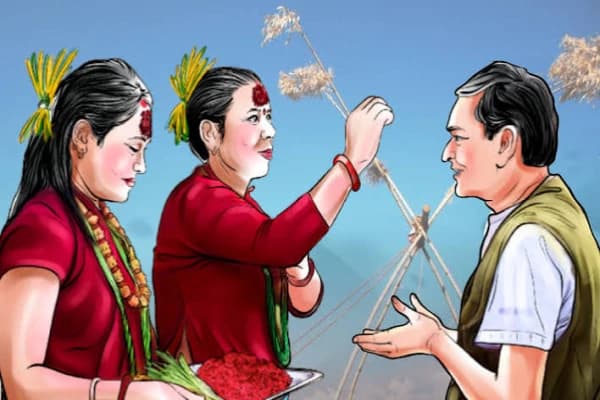
The culture of the Manaslu region is strongly influenced by Tibetan Buddhism, especially in the upper sections of the trek. Villages such as Lho, Samagaun, and Samdo reflect this influence through ancient monasteries, prayer wheels, colorful prayer flags, and stone-carved mani walls. Local people follow Buddhist traditions, celebrate religious festivals, and maintain a close connection with the mountains, which they consider sacred and spiritually significant.
The lower parts of the Manaslu Circuit are mainly inhabited by Gurung communities, who are known for their warm hospitality, traditional farming practices, and rich cultural heritage. As trekkers move toward higher elevations, the lifestyle gradually changes, with more Tibetan-style villages, traditional stone houses, and yak-based livelihoods becoming common. The simple mountain lifestyle of local people provides visitors with a deeper understanding of Himalayan culture beyond just the natural scenery.
The main languages spoken in the Manaslu region include Nepali, Gurung language, and Tibetan dialects. In lower villages, Nepali is commonly used for daily communication, while communities in the upper Manaslu region often speak Tibetan-influenced languages. Many younger locals and people involved in tourism can communicate in basic English, making it easier for trekkers to interact during the journey.
One of the most memorable parts of the Manaslu Circuit Trek in Nepal is the opportunity to experience this living culture firsthand. Staying in traditional tea houses, sharing conversations with local families, visiting monasteries, and witnessing daily Himalayan life make the trek a meaningful cultural experience. With respect for local traditions and support from Himalayan Vista, travelers can explore the Manaslu region while appreciating the unique heritage of its mountain communities.
Manaslu Circuit Trek Permit Requirements
The Manaslu Circuit Trek in Nepal is located in a restricted trekking area, which means trekkers need special permits before entering the region. These permits are required to protect the natural environment, cultural heritage, and sensitive areas near the Nepal–Tibet border. Unlike many other trekking routes in Nepal, independent trekking is not allowed in the Manaslu region, so trekkers must travel with a licensed guide and arrange their permits through a registered trekking agency.
The main permit required for the trek is the Manaslu Restricted Area Permit (RAP), which is needed for the section between Jagat and Samagaun. This permit helps regulate tourism and preserve the unique culture and environment of the restricted region. The cost of the permit depends on the trekking season and the number of days trekkers spend inside the restricted area.
Trekkers also need the Manaslu Conservation Area Permit (MCAP) because the route passes through the protected Manaslu Conservation Area. This permit supports environmental conservation, wildlife protection, and sustainable tourism activities in the region. The conservation area is home to diverse landscapes and Himalayan wildlife, including blue sheep, musk deer, and many species of birds.
After crossing the famous Larkya La Pass (5,106 m), the trail enters the Annapurna Conservation Area, so trekkers require the Annapurna Conservation Area Permit (ACAP) as well. Having these permits ensures that the entire trekking route can be completed legally and responsibly.
The permit system plays an important role in preserving the natural beauty, cultural traditions, and fragile ecosystem of the Manaslu region. With proper guidance from Himalayan Vista, trekkers can easily manage the required documentation and enjoy a safe and memorable Manaslu Circuit Trek in Nepal while respecting the unique Himalayan environment.
Manaslu Circuit Trek Cost Breakdown
The Manaslu Circuit Trek in Nepal cost depends on several factors, including the trekking duration, group size, type of accommodation, transportation, guide and porter services, permits, and personal expenses. Since the Manaslu region is a restricted trekking area, the overall cost is generally higher than some other popular trekking routes in Nepal because trekkers must arrange a licensed guide and special permits.
The major expenses of the Manaslu Circuit Trek include transportation, permits, accommodation, food, guide and porter costs, and additional personal expenses. The journey usually begins with a drive from Kathmandu to the trekking starting point and ends with transportation back from Dharapani after completing the circuit.
Major Cost Factors of Manaslu Circuit Trek
Permits:
The trek requires three main permits: Manaslu Restricted Area Permit (RAP), Manaslu Conservation Area Permit (MCAP), and Annapurna Conservation Area Permit (ACAP). The total permit cost varies depending on the trekking season and the number of days spent in the restricted area.
Guide and Porter Cost:
A licensed guide is mandatory for the Manaslu Circuit Trek in Nepal because of the restricted trekking regulations. Hiring a porter is optional but highly recommended, especially for trekkers carrying heavy backpacks. Local guides and porters also provide valuable support by helping with navigation, communication, and cultural understanding.
Accommodation and Food:
During the trek, trekkers stay in traditional tea houses operated by local families. The cost of accommodation is usually affordable, while food prices increase gradually at higher elevations because supplies are transported from lower regions. Popular meals include Dal Bhat, noodles, soups, Tibetan bread, and other simple mountain dishes.
Transportation and Extra Expenses:
Transportation from Kathmandu to the trekking starting point and return transportation from Dharapani are included in the overall budget. Trekkers should also keep extra money for charging electronic devices, hot showers, snacks, drinks, WiFi, and personal purchases during the trek.
On average, the Manaslu Circuit Trek cost can range from around USD 1,200 to USD 2,000+ per person, depending on the services included and the style of trekking. Choosing a reliable trekking company like Himalayan Vista helps ensure transparent pricing, proper arrangements, and a safe trekking experience without unexpected difficulties.
Accommodation During Manaslu Circuit Trek
The Manaslu Circuit Trek in Nepal offers a traditional tea house trekking experience, allowing trekkers to stay in locally operated lodges throughout the journey. Unlike luxury trekking routes with modern hotels, the Manaslu region provides simple and authentic accommodation that reflects the lifestyle of Himalayan communities. Staying in these tea houses gives trekkers an opportunity to experience local hospitality while enjoying the peaceful atmosphere of remote mountain villages.
In the lower sections of the trek, tea houses generally provide more comfortable facilities with basic rooms, shared bathrooms, dining areas, and better access to electricity and communication services. As the trail moves toward higher elevations like Samagaun, Samdo, and Dharamsala, accommodation becomes more basic because of the remote location and limited transportation facilities. Most rooms include twin beds with mattresses, pillows, and blankets, but trekkers are advised to carry a sleeping bag, especially for colder nights at higher altitudes.
The tea houses along the Manaslu Circuit Trek are usually managed by local families who provide warm meals and a welcoming environment for travelers. The common areas often have a dining room with a stove or heater where trekkers can relax, share stories, and meet other adventure seekers. These moments create a unique trekking atmosphere and allow visitors to connect with local communities.
Facilities such as hot showers, electricity, charging points, and WiFi are available in many tea houses, but they may become limited and more expensive in higher regions. Because supplies need to be transported to remote villages, the availability of services decreases as altitude increases. Trekkers should be prepared for simple living conditions while respecting the challenges faced by local communities.
Choosing an experienced trekking partner like Himalayan Vista helps ensure that accommodation arrangements are properly planned according to the trekking route and season. With comfortable tea house stays and authentic Himalayan hospitality, the Manaslu Circuit Trek in Nepal becomes not only an adventure but also a memorable cultural experience.
Food During Manaslu Circuit Trek
The Manaslu Circuit Trek in Nepal offers a variety of traditional Nepalese and Himalayan foods that provide enough energy for long trekking days. Since the route passes through remote mountain villages, most meals are prepared using locally available ingredients. Although the food options become simpler at higher elevations, tea houses along the trail provide nutritious meals that help trekkers maintain their strength throughout the journey.
The most common and popular meal during the trek is Dal Bhat, a traditional Nepali dish made with rice, lentil soup, vegetables, and sometimes pickles. It is considered an ideal trekking meal because it provides carbohydrates, protein, and enough energy for walking long distances. Many tea houses offer unlimited refills of Dal Bhat, making it a favorite choice among trekkers.
Besides Dal Bhat, trekkers can enjoy other popular mountain foods such as vegetable noodles, fried rice, pasta, soups, Tibetan bread, chapati, momos, and potato dishes. In higher areas like Samagaun, Samdo, and Dharamsala, warm soups, garlic soup, and hot drinks become especially popular because they help provide warmth in colder conditions.
Breakfast options usually include items like porridge, eggs, pancakes, bread, Tibetan bread, potatoes, and tea or coffee. Since trekking at high altitude requires proper hydration and energy, drinking enough water and consuming warm beverages is very important throughout the journey.
As the trail reaches higher elevations, food prices increase because ingredients and supplies must be transported through difficult mountain terrain. Trekkers should also avoid heavy alcohol consumption during the trek because it can increase the risk of altitude-related problems.
The food experience during the Manaslu Circuit Trek is not only about nutrition but also about connecting with local culture. Sharing meals inside traditional tea houses allows trekkers to experience Himalayan hospitality and the simple lifestyle of mountain communities. With proper planning and support from Himalayan Vista, travelers can enjoy safe, comfortable, and satisfying dining experiences throughout their Himalayan adventure.
Conclusion
The Manaslu Circuit Trek in Nepal is a perfect combination of adventure, natural beauty, and cultural discovery. Unlike many popular trekking routes, the Manaslu region offers a more peaceful and authentic Himalayan experience where trekkers can explore remote villages, ancient monasteries, traditional lifestyles, and breathtaking mountain landscapes.
From the stunning views of Mount Manaslu (8,163 m) to the challenging crossing of Larkya La Pass (5,106 m), every part of this journey provides unforgettable experiences. The trail takes you through diverse landscapes, from green valleys and forests to high-altitude Himalayan terrain, while introducing you to the unique traditions and hospitality of Gurung and Tibetan-influenced communities.
Although the Manaslu Circuit Trek requires good physical preparation because of its altitude, long walking days, and remote conditions, proper planning and guidance make this adventure achievable and rewarding. Choosing an experienced trekking company like Himalayan Vista helps trekkers enjoy a safe, well-organized, and memorable journey through one of Nepal’s most beautiful Himalayan regions.
For travelers seeking a less crowded trekking destination filled with natural wonders, cultural richness, and true Himalayan adventure, the Manaslu Circuit Trek in Nepal is an incredible choice that creates memories to last a lifetime.
1. How difficult is the Manaslu Circuit Trek in Nepal?
The Manaslu Circuit Trek in Nepal is considered a moderate to challenging trek because of its remote trails, long walking days, and high altitude. Crossing Larkya La Pass (5,106 m) is the most challenging part of the trek, but with proper preparation and acclimatization, physically fit trekkers can complete this journey successfully.
2. How many days are required for Manaslu Circuit Trek?
The Manaslu Circuit Trek usually takes around 14 to 18 days depending on the itinerary, walking pace, acclimatization days, and transportation arrangements. A longer itinerary is recommended because it allows the body to adjust properly to the increasing altitude.
3. What is the best time for Manaslu Circuit Trek in Nepal?
The best time for the Manaslu Circuit Trek in Nepal is autumn (September to November) because the weather is stable, the skies are clear, and mountain visibility is excellent. This season provides the best conditions for trekking and crossing Larkya La Pass.
4. Do I need a guide for Manaslu Circuit Trek?
Yes, a licensed guide is mandatory for the Manaslu Circuit Trek because the region is classified as a restricted trekking area. Trekkers must travel with an authorized trekking agency and cannot complete the trek independently.
5. What permits are required for Manaslu Circuit Trek?
Trekkers need three main permits for the Manaslu Circuit Trek in Nepal: the Manaslu Restricted Area Permit (RAP), Manaslu Conservation Area Permit (MCAP), and Annapurna Conservation Area Permit (ACAP).
6. What is the highest point of Manaslu Circuit Trek?
The highest point of the trek is Larkya La Pass at 5,106 meters above sea level. Crossing this high mountain pass is the biggest adventure highlight of the Manaslu Circuit Trek.
7. Is Manaslu Circuit Trek suitable for beginners?
The trek can be completed by beginners who have good physical fitness and proper preparation. However, previous hiking or high-altitude trekking experience is helpful because of the challenging terrain and altitude.
8. How much does Manaslu Circuit Trek cost?
The cost of the Manaslu Circuit Trek depends on factors such as trek duration, group size, guide and porter services, permits, accommodation, and personal expenses. Generally, the cost ranges from around USD 1,200 to USD 2,000+ per person depending on the services included.
9. What kind of accommodation is available during Manaslu Circuit Trek?
Accommodation during the trek is mainly available in traditional tea houses. These provide basic rooms, meals, and common dining areas. Facilities like hot showers, electricity, and WiFi may be available in some villages but become limited at higher elevations.
10. What food is available during Manaslu Circuit Trek?
Tea houses serve a variety of meals including Dal Bhat, noodles, soups, momos, Tibetan bread, pasta, rice dishes, and vegetarian options. Dal Bhat is the most common trekking meal because it provides enough energy for long walking days.
11. Can I do Manaslu Circuit Trek in winter?
Yes, the Manaslu Circuit Trek is possible in winter, but it is more challenging because of cold temperatures, snowfall, and possible difficulties crossing Larkya La Pass. Winter trekkers need proper equipment and preparation.
12. Is Manaslu Circuit Trek better than Annapurna Circuit Trek?
Both treks offer incredible Himalayan experiences. The Manaslu Circuit Trek is better for travelers who prefer remote trails, fewer crowds, and authentic cultural experiences, while the Annapurna Circuit is more developed and offers easier facilities.
13. What is the total distance of Manaslu Circuit Trek?
The total distance of the Manaslu Circuit Trek in Nepal is approximately 170–180 kilometers, depending on the chosen route and itinerary.
14. Is there internet and electricity during Manaslu Circuit Trek?
Electricity and WiFi are available in many tea houses along the route, but services become limited and more expensive in higher areas. Trekkers should carry power banks and prepare for basic facilities.
15. Why choose Himalayan Vista for Manaslu Circuit Trek?
Himalayan Vista provides well-planned trekking experiences with experienced guides, proper permit arrangements, safety support, and customized itineraries. With local knowledge and professional service, trekkers can explore the Manaslu region comfortably and confidently.